





Imagine handling thousands of assets every day without a reliable system to track them. You’d constantly wonder where things are, who’s using what, and whether anything’s gone missing. Sounds chaotic, right?
That’s exactly what happens when companies rely on spreadsheets or outdated tools. In fact, some businesses discover that 10–30% of their assets are missing—‘ghost assets’ that no longer exist on the ground but still sit on the books.
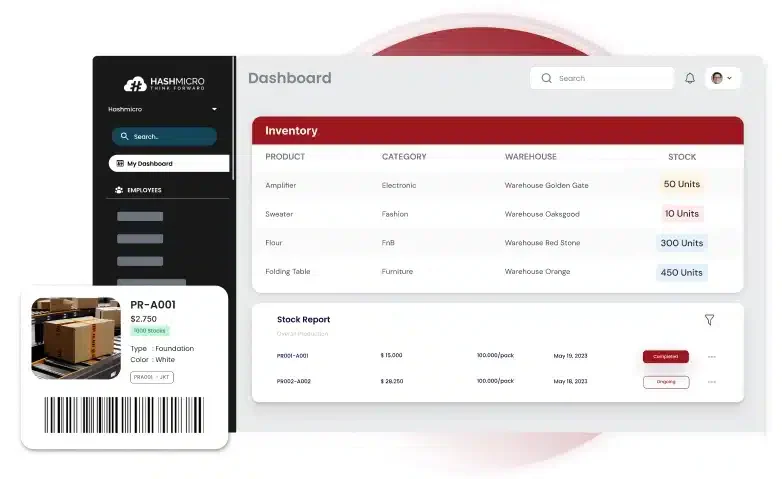
HashMicro Asset Management Software is built for problems like this, so why not give it a try? It helps businesses tracking every asset in real time, flagging status updates, as well as give accurate, visual reports with just a few clicks.
This article will walk you through what an asset management system actually does, which features matter, and how the right one can clean up your asset management.
Key Takeaways
What is an Asset Management System?An asset management system is a tool used by businesses to monitor, maintain, and optimize their assets, ensuring efficient utilization and cost control. It tracks both tangible assets, like machinery and vehicles, and intangible assets, such as software licenses and intellectual property, providing real-time insights for data-driven decisions. The software consolidates important asset information, including locations, users, and usage details, into one platform accessible via web and mobile apps. This centralization streamlines asset tracking, similar to how property management software centralizes operational data, helping businesses manage their growing number of assets efficiently as they expand. To ensure effectiveness, real-time tracking is vital to avoid costly mistakes and asset loss. The software provides a comprehensive view, helping industries like manufacturing and mining maintain optimal asset management and prevent downtime. Asset tagging plays a key role by allowing businesses to affix unique labels to each asset for precise tracking of data like location and maintenance history. This process improves productivity, reduces equipment failure, and enhances operational efficiency by ensuring complete visibility and control over all assets. How Does Asset Management System Work?
Effective enterprise asset management starts with assigning a dedicated manager to oversee all aspects of the company’s assets, including equipment, inventory, and personnel. This manager develops a comprehensive plan for asset management, covering their development, operation, maintenance, and eventual disposal, ensuring efficiency at every stage. A holistic approach to asset management considers the entire lifecycle of assets. Examples of asset management systems include managing industrial equipment and vehicles, from procurement to disposal. This approach ensures careful monitoring and control at every step. The right asset tracking system is crucial, as it helps collect and analyze data to inform decision-making. For example, it can track different industrial machinery brands’ performance, maintenance costs, and lifespan, aiding in procurement decisions. Why Businesses Need Asset Management SystemManual asset management can lead to major challenges, with nearly half of businesses lacking proper inventory and asset management practices. In fact, 43% of companies still rely on manual tracking methods or fail to track their assets altogether. Moreover, studies reveal that approximately 80% of employees spend about 30 minutes daily searching for information, underscoring the inefficiency of this approach. Fortunately, there’s a solution to this issue. With an asset management system, you can automate asset tracking and management seamlessly. Real-time updates are made easy with a simple scan of a barcode or RFID tag, allowing you to track asset locations and conditions effortlessly. Asset management systems provide peace of mind through their robust functionality and accuracy, making them essential for any business. Here’s the benefits of asset management system you need to know:
Types of Asset Management SystemThere are various types of asset management software designed to cater to companies of different sizes and industries. Some are comprehensive systems that handle all aspects of asset management, while others focus on specific areas. Below are the most common types of asset management system:
EAM and CMMS are among the most popular options, but choosing the right software depends on your company’s specific needs. Asset management systems are very important investments for companies. If you’re looking for the best asset management system in the Philippines, HashMicro stands out as the best choice. For more detailed information about HashMicro’s system, you can download the price scheme below. How to Find the Best Asset Management SystemAsset managers face the task of choosing the right platform from various options, each offering unique features. They must carefully evaluate the platforms based on their business goals and requirements to make an informed decision. Here are key factors to consider:
If you are wondering which asset management system is the most suitable for your business, you can read more about the best asset management software in our article. Common Challenges in Asset ManagementImplementing an asset management system can greatly streamline operations, but businesses often face challenges that can hinder its success. From technical difficulties to human error, addressing these challenges is key to ensuring that the system delivers its full benefits. Below are some common challenges faced by businesses when managing assets, along with insights on how to overcome them:
In conclusion, while these challenges can seem daunting, addressing them through proper planning, employee training, and system integration ensures a successful asset management implementation. Asset Management System ExamplesBefore diving into specific examples, it’s important to understand how an asset management system can be applied across different industries. These systems play a crucial role in optimizing asset usage, ensuring maintenance, and reducing overall costs. Now, let’s explore some real-world examples of how businesses are leveraging asset management systems to streamline their operations and achieve greater efficiency.
Each of these examples highlights how asset management systems can streamline operations, reduce costs, and improve the efficiency of asset utilization across different industries. By providing real-time data, businesses can make informed decisions, enhance productivity, and minimize errors. Optimizing Asset Management System with HashMicro Asset Software
A strategic asset management plan is vital for streamlining operations and enhancing efficiency. To support this, HashMicro’s asset management software provides a comprehensive suite of features that complement the planning process and boost overall productivity. Here’s how it simplifies and improves asset management:
You can achieve a well-organized and effective asset management system by incorporating HashMicro’s asset management solution into your strategic plan. Its robust features are designed to align with your asset management objectives, offering a streamlined approach to managing your company’s valuable assets. ConclusionWith a clear understanding of the importance of asset management, Philippine businesses need a reliable solution to streamline their asset tracking and management processes. HashMicro asset management software is the top choice for companies in the Philippines when optimizing their asset management. HashMicro’s user-friendly platform simplifies asset tracking, maintenance, and reporting, which boosts operational efficiency. Advanced features like automated depreciation and real-time analytics help businesses maximize asset utilization, and enhance their understanding of asset management meaning and its practical application. HashMicro adapts to businesses of all sizes, providing a 360-degree view of assets. This enables informed decision-making and strategic planning, driving success. With HashMicro, tracking and managing assets across locations, departments, and teams is seamless. Moreover, it integrates easily with other systems, such as accounting, inventory, and manufacturing, providing a unified asset management approach. Take the first step towards optimizing your asset management – sign up for our free demo and see the difference HashMicro can make for your business! FAQ About Asset Management SystemWhat is a good asset management plan?Calculating the life cycle costs of your assets is crucial for developing a precise asset management plan. This includes not just the initial purchase costs, but also ongoing expenses like maintenance, performance upgrades, and disposal. What is an asset management platform?Asset management software helps centralize asset information, making it simpler to track assets across an organization. Modern businesses use this software to lower the administrative costs of managing their assets. What are the 5 steps of asset management?Each asset experiences five key stages in its life: planning, acquiring, using, maintaining, and disposing. Most of the time is spent during the use and maintenance stages, but every stage is crucial for maximizing the asset’s value. Is asset management part of ERP?While an ERP system can help with asset management, it is primarily focused on centralizing core business information and handling daily operations. In contrast, EAM software is specifically designed for asset management, offering detailed modules for tracking and analyzing asset performance. HashMicro follows strict editorial standards and uses primary sources such as regulations, industry guidance, and trusted publications to keep content accurate and relevant.       Chat Now : |