





Construction projects are among the riskiest endeavors, filled with heavy machinery, tight deadlines, and unpredictable challenges. From operating heavy machinery to managing tight schedules and workplace hazards, every project comes with serious risks.
So, how do you keep your project on track while juggling all these risks? The key is a solid construction risk management plan. But have you noticed that it’s very complex? Moreover, if the risk management is done manually, you’ll notice discrepancies coming up.
It’s confusing, right? There are so many factors to keep track of, all equally important, yet you can’t mess up. What’s the solution? You can start by understanding the whole concept and create detailed risk management plans.
In this guide, we’ll cover the essentials: what construction risk management is, key responsibilities of project managers, common risks, and strategies for success.
Key Takeaways
What is Construction Risk Management?Construction risk management is the process of identifying and reducing risks in a construction project. It involves careful planning to create a risk management plan that helps project managers spot, track, and handle risks as they come up. This plan is made early in the project and lists possible risks along with solutions. And then, someone who’s responsible for the plan, such as a project manager or site supervisor, also assigns a team member to take responsibility for each issue. The key to effective risk management is data. Important information comes from sources like cash flow reports, job site safety checks, and industry trends. Why is Construction Risk Management Important?Risk management is essential for the successful execution of construction projects. You might wonder why risk management is important, right? Here are the few reasons why:
Types of Risk in Construction ProjectsConstruction sites face various risks, so understanding where and how they occur is crucial for better risk management. Here are the key risk types:
Read more: 16 Best Construction Accounting Software Providers for 2025 The Process of Construction Risk Management
1. IdentificationStart by listing all potential risks that could arise during the project. This involves conducting research, consulting with your team, and reviewing historical data from similar construction projects. While this list should remain flexible for updates, setting a deadline prevents excessive time spent on analysis. 2. AssessmentNot all risks carry the same level of threat. Some are more likely to occur and may have a greater impact than others. Using a risk assessment matrix helps evaluate each risk based on its probability and potential consequences, making it easier to prioritize and plan responses. 3. PlanningOnce risks have been identified and ranked, develop a construction risk management plan detailing how each risk will be handled. This document serves as a guide for managing risks throughout the project’s lifecycle. Integrating construction scheduling software and construction estimating software can further improve project planning. 4. MitigationImplement contingency plans to reduce the impact of identified risks if they occur. High-priority risks—those most likely to happen and with the greatest potential impact—should be assigned to a risk owner, who is responsible for overseeing mitigation efforts and ensuring effective response strategies. 5. MonitoringRisk monitoring continues throughout the construction project, as risks may arise or evolve. Teams should assess if mitigation strategies remain effective while tracking time-sensitive activities in project workflows to ensure progress aligns with the project schedule. Regular updates should be shared with stakeholders, and input from different department leaders can help strengthen risk management efforts. Teams should be encouraged to track risks and update their status, especially if their likelihood or impact has changed on the risk assessment matrix. 6. ReportingThe risk management plan should be regularly reviewed and communicated to both the team and stakeholders. Risk mitigation reports help assess the effectiveness of contingency plans and ensure accountability. While tracking risks manually in an Excel spreadsheet is possible, project management software offers a more efficient approach by automating data collection, visualizing progress through dashboards, and generating easily shareable reports. Are you curious about how much the software will charge you for their platform? You can find out by clicking the pricing calculator banner below, to get a customized quote! What Should Be Included in Construction Risk Management Plan?When creating a Construction Risk Management Plan (CRMP), be sure to include these key sections: 1. Construction Risk RegisterThis document lists the different types of risks a construction project may face, including financial, safety, environmental, and legal risks. External risks, such as stakeholder demands, regulatory changes, or incomplete environmental assessments, can also impact the project. The risk register should identify and assess risks, assigning each a rating based on its likelihood and severity to prioritize them effectively. It should also designate a risk owner, outline response strategies, and include contingency plans for unexpected situations. 2. Construction Risk MatrixA construction risk matrix is a visual tool that helps assess and rank risks based on their potential impact. It enables the team to focus on the most critical risks that could affect the project’s budget, timeline, or quality. The matrix typically has:
3. Risk Response ActionsThese are strategies used to manage risks in a construction project by either mitigating, transferring, avoiding, or accepting them:
4. Risk Management TeamThis team is responsible for identifying, assessing, and managing risks that may affect the construction project. It typically includes a risk manager, project managers, subject matter experts, and stakeholders. Once a risk is identified, the team evaluates its impact, prioritizes it, and monitors it as needed. They also keep stakeholders informed about any changes. It’s also crucial to monitor the construction crew on-site. Hiring experienced professionals and providing safety training reduces risks. Poor morale can lead to high staff turnover or workplace conflicts. 5. Risk BudgetA risk budget is the financial reserve set aside to cover unexpected costs or losses from potential risks in a construction project. It acts as a financial safety net to prevent budget overruns due to unforeseen events. When planning a risk budget, consider factors such as weather conditions, design changes, cost variations, and the likelihood and impact of risks. 6. Key Risk IndicatorsKey risk indicators are project metrics used to track and assess potential risks related to finances, scheduling, quality, safety, and legal compliance. For example:
As a result, construction managers can detect issues early and take corrective action. 7. Communication PlanAn effective communication plan ensures that all project stakeholders—including the project team, subcontractors, clients, suppliers, and the local community—stay informed and aligned. It should clearly define communication objectives and outline the channels and methods to be used for sharing project updates. Read more: Top Construction Inventory Management Software Plan Construction Risk Management Easier with HashMicro
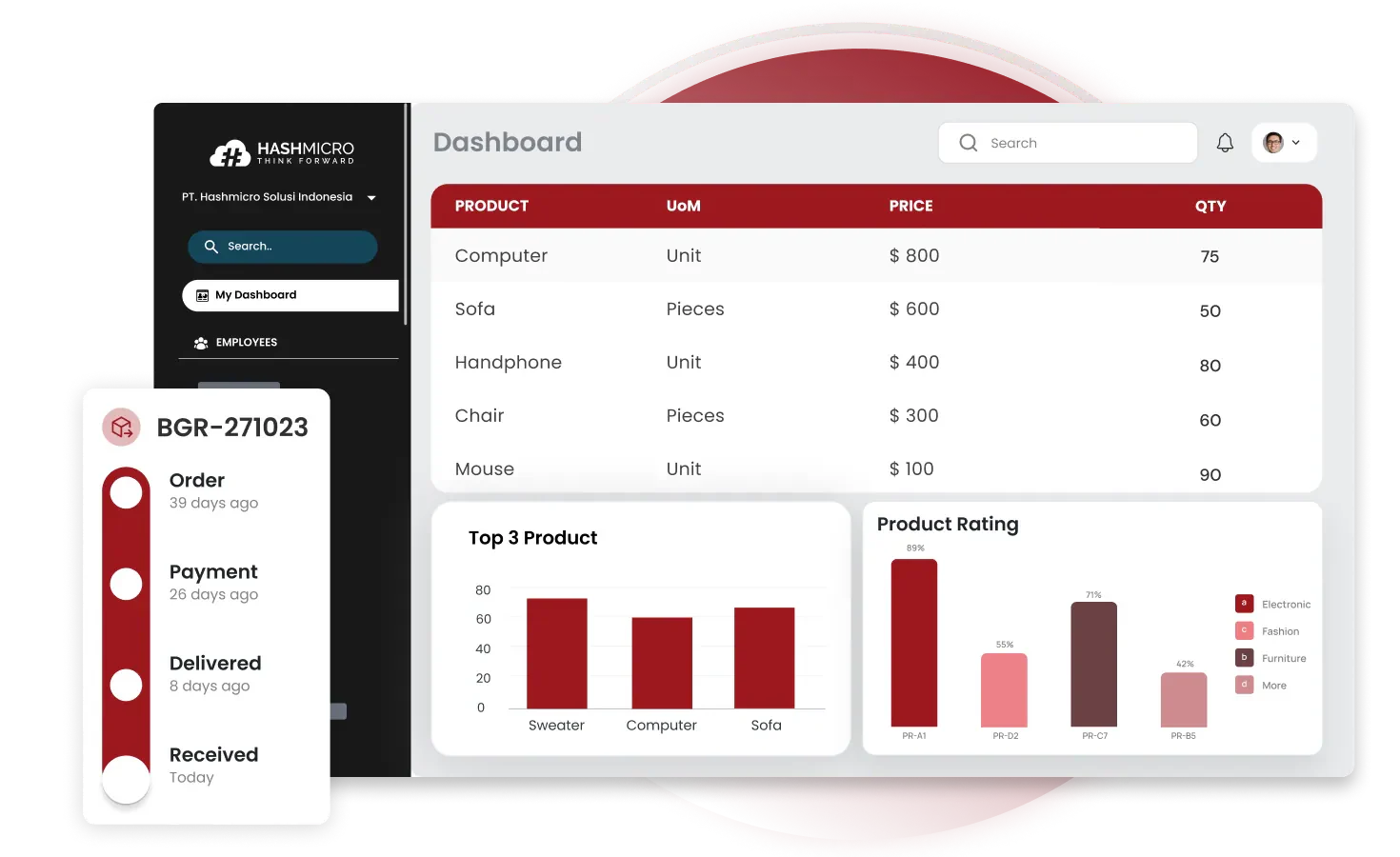
Keeping a construction project on track means staying ahead of potential risks. That’s why constant monitoring and tracking are crucial. But doing it manually? That’s a hassle. With HashMicro’s Project Management Software, you get a smart, cloud-based solution that helps you track risks automatically, collaborate seamlessly, and gain real-time insights into your project’s progress. Key Features of HashMicro’s Project Management Software:
With HashMicro, your construction projects stay on track, risks are minimized, and efficiency is maximized. ConclusionManaging risks in construction isn’t just about avoiding problems—it’s about staying ahead, keeping projects on track, and making smarter decisions. A solid risk management plan helps you spot potential issues early, minimize delays, and protect your budget. However, we can all admit that tracking risks manually is a nightmare. HashMicro’s Project Management Software takes the hassle out of risk management with real-time tracking, automated reporting, and seamless collaboration. Why struggle with outdated methods when you can work smarter, not harder? With HashMicro’s cloud-based solution, you get instant visibility, better decision-making, and a stress-free way to manage risks like a pro. What are you waiting for? Try the free demo now! Frequently Asked Questions on Construction Risk ManagementWhat is a Risk Breakdown Structure (RBS) in construction projects?A Risk Breakdown Structure (RBS) is a system that organizes potential construction risks into categories, such as technical, external, organizational, and project management risks. It helps project managers identify, assess, and manage risks more effectively. What is builder’s risk insurance, and why is it important?Builder’s risk insurance is a type of insurance that covers buildings and structures while they are under construction. It protects against damage from fire, wind, theft, and vandalism, helping to safeguard the financial interests of developers, contractors, and owners. Why is personal protective equipment (PPE) important in construction?PPE, such as helmets, steel-toe boots, and reflective vests, protects workers from dangers like falling objects, electrical hazards, and heavy machinery accidents. Using PPE correctly helps prevent serious injuries and deaths on construction sites. How can digital tools improve construction site safety?Digital tools like online safety training, digital site logs, and access control systems help keep construction sites safer. They make it easier to track safety protocols, improve communication, and provide real-time data to prevent accidents before they happen. HashMicro follows strict editorial standards and uses primary sources such as regulations, industry guidance, and trusted publications to keep content accurate and relevant.       Chat Now : |