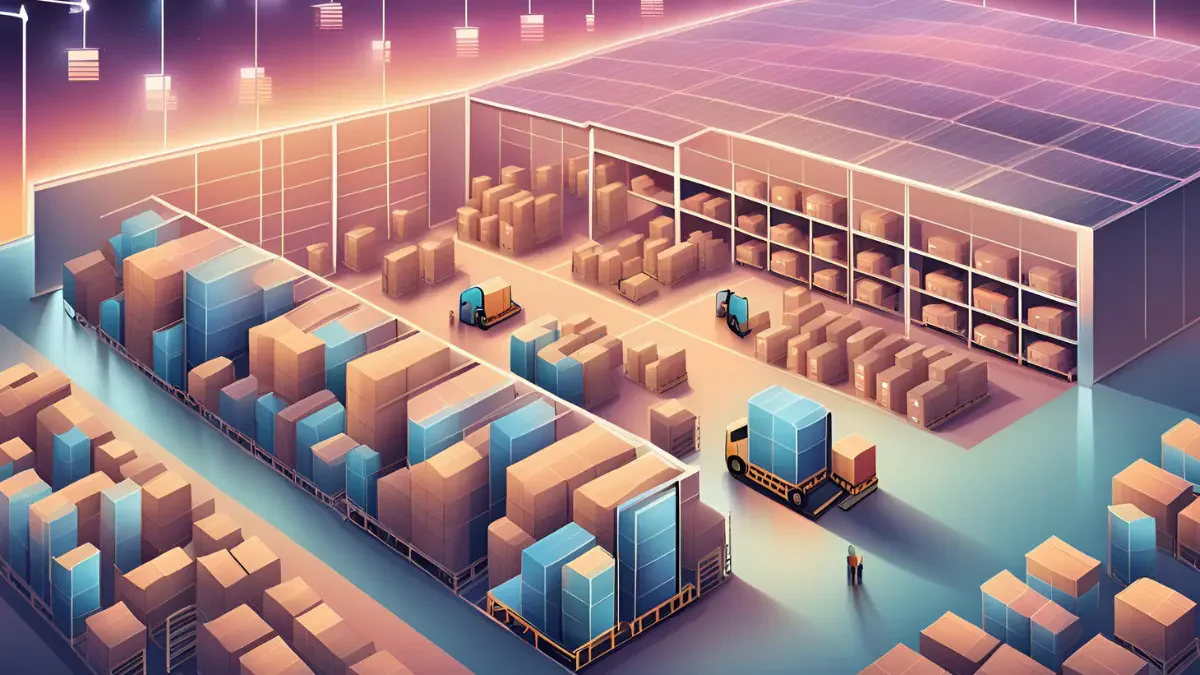





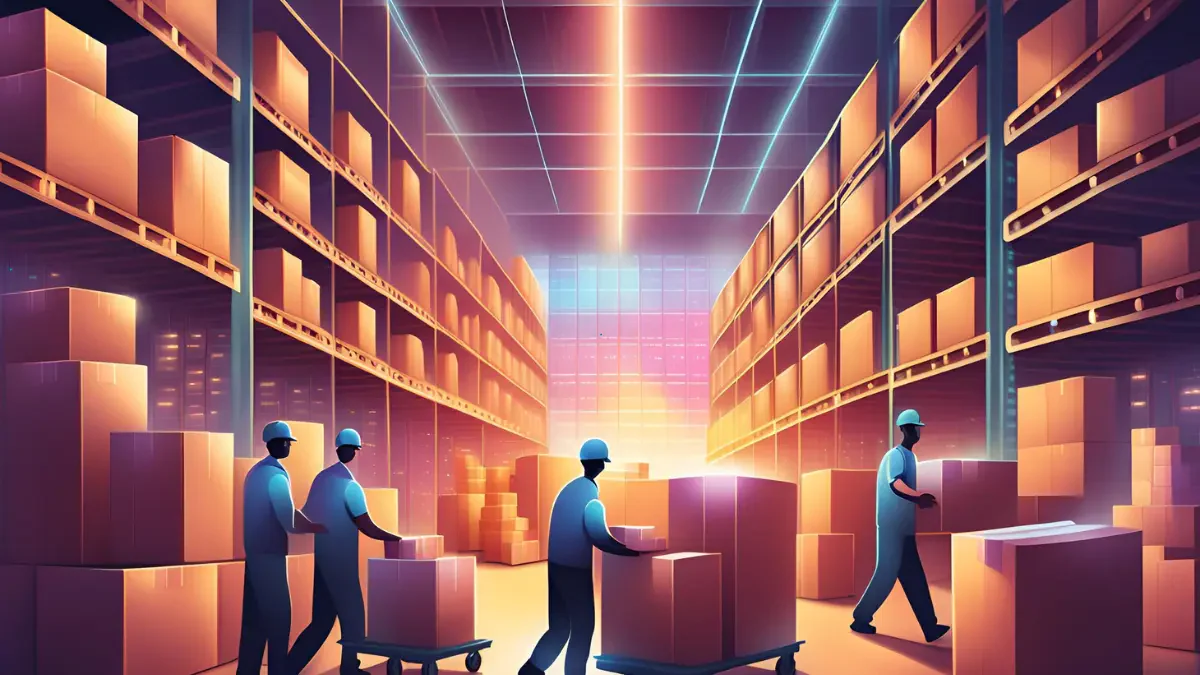
Ang isang maayos na pamamahala ng distribution center ay higit pa sa simpleng imbakan, it’s the heart of efficient supply chains. These hubs streamline inventory, accelerate shipping, and cut costs, keeping businesses competitive in fast-moving markets.
By integrating automation and smart tracking systems, distribution center helps businesses reduce errors and maximize productivity. A well-structured facility ensures faster deliveries, better order accuracy, and improved customer satisfaction.
Whether for e-commerce, retail, or manufacturing, a distribution center plays a crucial role in meeting demand and scaling operations. Read on to explore its key functions, processes, and benefits.
Key Takeaways
What is a Distribution Center?A distribution center is a specialized facility where businesses store, process, and ship goods efficiently. Unlike traditional warehouses, distribution centers focus on quick turnaround times and streamlined logistics. These centers play a key role in supply chains, ensuring products reach retailers, wholesalers, or consumers faster. They are designed for efficiency, helping businesses maintain optimal inventory levels while reducing storage and transportation costs. Why Is Distribution Center Important?Unlike traditional storage facilities, distribution center focuses on rapid inventory movement, ensuring products are available where and when they are needed. Here’s why distribution centers are important: 1. Faster order fulfillmentSpeed and accuracy are critical in today’s fast-paced market. Distribution centers act as hubs for rapid inventory movement, ensuring products reach their destinations efficiently. They help businesses process and ship orders quickly, reducing lead times and improving customer satisfaction. Advanced inventory systems track stock levels and automate picking processes, minimizing delays and enhancing efficiency. 2. Cost reduction in logisticsEffective logistics management is essential for minimizing expenses while maintaining operational efficiency. Distribution centers help optimize storage, streamline transportation, and reduce labor costs. By centralizing operations, businesses can negotiate better shipping rates and bulk purchasing discounts, ensuring maximum profitability while maintaining smooth product distribution. 3. Scalability for businessesAs businesses expand, their logistics needs grow. A well-organized distribution center provides the flexibility to scale operations efficiently. With adaptable storage systems and automation technologies, companies can manage increased order volumes without compromising efficiency or service quality. How Does Distribution Center Work?
Distribution center is designed to ensure smooth operations by efficiently managing inventory, processing orders, and facilitating shipments. These facilities play a crucial role in reducing delays and maintaining supply chain reliability. By streamlining logistics, they also help businesses cut costs and improve overall efficiency. Here’s a breakdown of their key functions:
Types of Storage Systems in Distribution CenterDid you know that different storage systems help businesses maximize space, improve inventory accessibility, and enhance overall workflow? The fact is this system is commonly used for different purposes. Below are some of the most commonly used storage solutions in distribution center: 1. Pallet racking systems (Adjustable, FIFO, Drive-In)Pallet racking systems maximize storage capacity while ensuring easy access to inventory. These adjustable racks help businesses modify layouts based on product demand, improving organization and space efficiency. FIFO (First-In, First-Out) systems ensure older stock is shipped first, preventing obsolescence—especially useful for perishable goods. Drive-in racking systems allow forklifts to access stored items directly, optimizing high-density storage by reducing aisle space. Both systems enhance inventory management and streamline fulfillment. 2. Automated Storage and Retrieval Systems (AS/RS)Automated storage and retrieval systems (AS/RS) use robotic mechanisms to store and retrieve products efficiently. These systems minimize human intervention, reducing labor costs and processing time. By integrating AS/RS, businesses improve order accuracy while maintaining consistent inventory tracking. This automation boosts productivity, enhancing overall warehouse performance. 3. Barcode and RFID-based inventory systemsBarcode and RFID technologies streamline stock tracking, improving inventory accuracy. These systems enable businesses to monitor product movement in real-time, preventing misplaced or lost items. By scanning barcodes or RFID tags, workers reduce manual errors while accelerating order fulfillment. This innovation enhances supply chain transparency, ensuring smooth operational workflows. 4. Automatic Guided Vehicles (AGVs)Automatic guided vehicles (AGVs) are autonomous transport systems that navigate fixed paths within a distribution center. These vehicles efficiently move inventory from receiving areas to storage locations without human intervention. AGVs, such as robotic forklifts, are ideal for spacious environments that require repetitive material handling tasks. They enhance efficiency by reducing manual labor, minimizing errors, and improving workflow automation within the facility.
Distribution Center vs. Warehouse
Planning and Organizing a Distribution CenterA well-structured facility ensures smooth operations, minimizes delays, and maximizes productivity. Proper planning helps businesses optimize space, improve workflow, and integrate advanced technologies for seamless logistics management. Here are the details:
Benefits of Distribution CenterA distribution center offers several benefits to businesses looking to streamline operations and improve efficiency, such as:
Drawbacks of Distribution CenterDistribution center (DC) are critical to supply chains, but they come with certain challenges that can impact efficiency. Managing a DC requires precision and coordination to avoid operational difficulties that could affect fulfillment and overall performance. Here are some key drawbacks of Distribution Center:
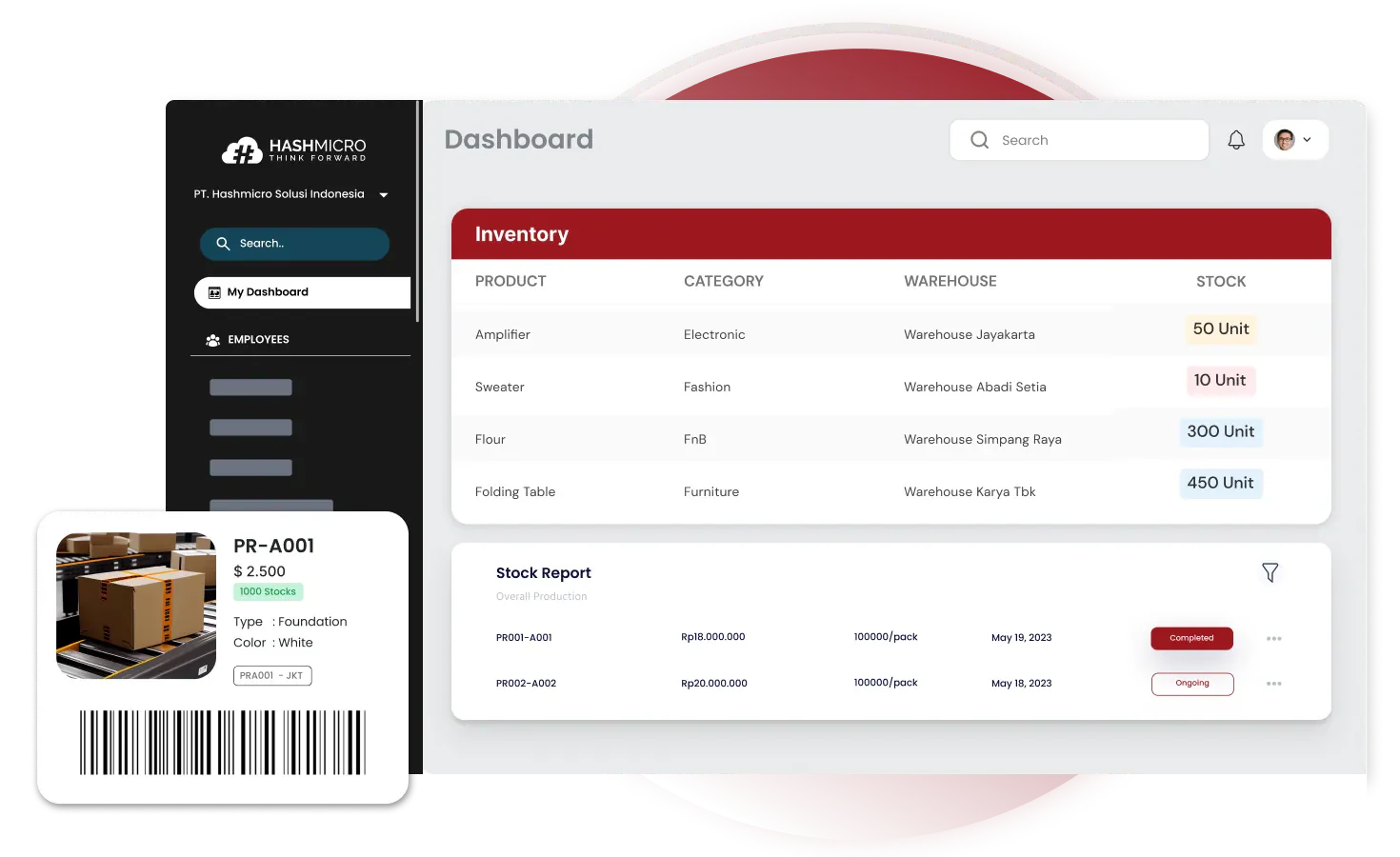
Optimize Your Distribution Center With HashMicro
Frequently Asked QuestionsWhat is a distributed center?A distribution center is a facility where goods are stored, processed, and shipped efficiently to fulfill orders and meet customer demands quickly. What does a distribution center do?A distribution center manages inventory, processes orders, and ships products in a timely manner to ensure efficient supply chain operations and customer satisfaction. What is the primary function of a distribution center?The primary function of a distribution center is to quickly process and ship orders, reducing costs and ensuring the smooth flow of products in the supply chain.
HashMicro follows strict editorial standards and uses primary sources such as regulations, industry guidance, and trusted publications to keep content accurate and relevant. 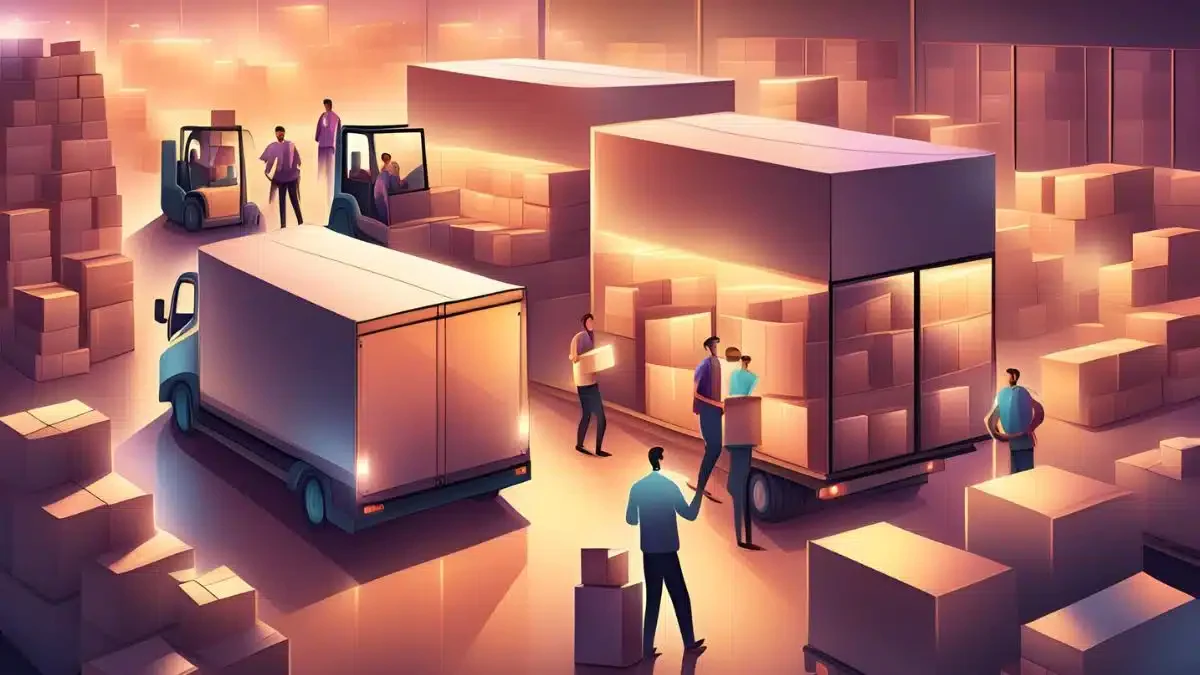      Chat Now : |