






The Philippines continues to strengthen digital tax compliance, making the eFPS BIR an important platform for businesses and finance teams. It helps taxpayers file returns electronically, stay compliant, and reduce the risk of penalties.
Understanding this system is increasingly important. This article will guide you through the basics of the eFPS BIR, including its purpose, requirements, and how to use it effectively.
Key Takeaways
|
Understanding the eFPS BIR Framework
 The Electronic Filing and Payment System (eFPS) is the BIR’s online platform for filing tax returns and paying taxes in the Philippines. It helps taxpayers submit returns electronically and avoid manual filing.
The eFPS BIR also improves tax reporting by reducing manual errors and speeding up processing. Because it connects with BIR records, it helps support more accurate and efficient compliance.
Identifying Mandated Taxpayers for eFPS BIR
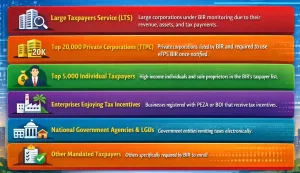 While the BIR encourages digital tax filing, using the *eFPS BIR* is mandatory only for certain taxpayer groups. These usually include entities that contribute large tax payments or handle more complex transactions.
Knowing whether your business belongs to one of these categories is important. It helps you meet BIR requirements early and avoid compliance issues or penalties later.
| Taxpayer Category | Description |
| Large Taxpayers Service (LTS) | Large corporations under BIR monitoring due to their high revenue, assets, and tax payments. |
| Top 20,000 Private Corporations (TTPC) | Private corporations listed by the BIR and required to use eFPS BIR once notified. |
| Top 5,000 Individual Taxpayers | High-income individuals and sole proprietors included in the BIR’s required taxpayer list. |
| Enterprises Enjoying Tax Incentives | Businesses registered with agencies like PEZA or BOI that receive tax incentives. |
| National Government Agencies and LGUs | Government entities required to remit taxes electronically as withholding agents. |
| Other Specifically Mandated Taxpayers | Other taxpayers specifically required by the BIR to enroll in the system. |
How to Register for eFPS BIR Without Filing Delays
 Registering for the eFPS BIR involves updating your BIR records, enrolling through the portal, submitting the required documents, and linking an enrolled bank account for electronic payment.
To use the system properly, businesses also need to assign authorized staff, check technical requirements, and test the process before major filing deadlines. These steps help reduce delays and compliance errors.
Companies that want cleaner records before eFPS filing often use HashMicro’s accounting software for the Philippines to centralize tax ready financial data.
Common eFPS BIR Problems and How to Avoid Them
 Using the eFPS BIR requires a stable internet connection, a supported browser, and proper settings such as enabled pop-ups and updated cache. Businesses should also make sure their security settings do not block the portal.
Common issues include missed bank cut off times, system timeouts, and login problems when authorized staff change. Filing early and keeping account access updated can help avoid delays and penalties.
What Tax Returns You Can File Through eFPS BIR
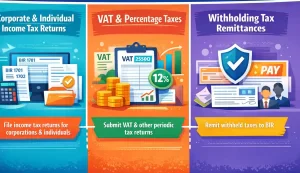 The platform is designed to handle a vast array of tax returns, accommodating the diverse obligations of different business entities. Understanding the nuances of filing these specific forms electronically is crucial for accurate compliance.
| Tax Type | Explanation |
|---|---|
| Corporate and Individual Income Tax Returns | The eFPS BIR supports income tax filing for corporations and mandated individual taxpayers through the applicable BIR income tax forms, helping them file electronically and submit returns more accurately. |
| VAT and Percentage Taxes | Businesses can also use the system for VAT and other periodic tax filings, including the quarterly VAT return. This helps taxpayers report tax dues online and manage regular filing requirements more efficiently. |
| Withholding Tax Remittances | Companies that act as withholding agents use eFPS BIR to remit taxes withheld from employee compensation and certain income payments to suppliers, contractors, or service providers. This helps businesses track withholding obligations, file the correct remittance returns, and pay on time. |
Conclusion
The eFPS BIR is an important system for businesses and taxpayers that need to file and pay taxes online in the Philippines. Understanding its requirements helps reduce errors, avoid delays, and stay compliant.
To use it well, businesses need updated records, the right staff, proper setup, and timely coordination with banks. For businesses looking to improve recordkeeping and reporting, this guide to the top accounting software in the Philippines is a useful next read.
FAQ About eFPS BIR
What is eFPS BIR?
The eFPS BIR is the Bureau of Internal Revenue’s online system for filing tax returns and paying taxes electronically in the Philippines.
Who is required to use eFPS BIR?
Certain taxpayer groups must use eFPS BIR, including large taxpayers, selected corporations, some individual taxpayers, tax-incentive enterprises, and certain government entities.
How do businesses register for eFPS BIR?
Businesses usually need to update their BIR records, enroll through the portal, submit the required documents, and link an enrolled bank account for electronic payment.
What taxes can be filed through eFPS BIR?
The system can be used for income tax returns, VAT and percentage taxes, and withholding tax remittances, depending on the taxpayer’s obligations.
What common issues can happen when using eFPS BIR?
Common issues include missed bank cut-off times, system timeouts, browser setting problems, and login access issues when authorized personnel change.