






Do you know if ERP for automotive industry is one of the common systems used by tech companies in the Philippines? As part of enterprise resource planning in general, ERP for automotive industry specifically helps with the planning, production, and distribution of vehicle and technology factories.
If you are one of the automotive business owners and wish to streamline your business processes, then you are in the right article. In this article, we will understand more about the intricacies of automotive ERP comprehensively.
We will also discuss the benefits, barriers, and important aspects that you should consider before implementing ERP in the automotive industry. Nang hindi na mag-aksaya ng oras, simulan na natin!
Key Takeaways
What is ERP for Automotive Industry?ERP for automotive industry is a comprehensive software solution that integrates all facets of an automotive company’s operations, from supply chain management and manufacturing to sales and finance. By unifying these processes, automotive businesses can streamline workflows and improve efficiency. As you may be experienced, automotive companies often grapple with fragmented processes, data silos, and inefficiencies that hinder growth and responsiveness. However, ERP helps overcome these issues. Below is an explanation of the challenges ERP can address. Challenges Faced by the Automotive IndustryIn this section, we will discuss some key challenges the automotive industry faces and how implementing an ERP software Philippines can help address them. 1. Quality controlMaintaining consistent quality in automotive manufacturing is key to meeting customer demands and regulations. The complex production and strict standards make quality control challenging. An ERP for automotive industry helps streamline processes, track defects, and implement fixes, improving product quality. 2. Production Facilities MaintenanceMaintaining production facilities is crucial for smooth operations and reducing downtime. An Enterprise Resource Planning helps with proactive maintenance planning, scheduling equipment checks, and tracking maintenance tasks. This optimization boosts efficiency and minimizes unexpected downtime for automotive businesses. 3. Inventory Management and ForecastingManaging inventory is a key challenge in the automotive industry, where parts must be ready for production. An ERP for automotive industry offers real-time inventory tracking, forecasting, and reordering. This improves inventory management, prevents stockouts, and boosts supply chain efficiency. 4. Vendor ManagementAutomotive businesses work with many vendors, making vendor management challenging. Good vendor management ensures timely delivery of quality parts at the best prices. An ERP system helps centralize vendor data, improve communication, track performance, and automate purchase orders for smoother management. 5. Financial ManagementThe industry needs strong financial management to handle complex transactions, control costs, and meet regulations. An ERP for automotive industry offers tools for budgeting, tracking costs, financial reporting, and ensuring compliance. This helps businesses make informed decisions and maintain financial stability. 6. Centralized Document and Data ManagementHandling large volumes of documents and data is a challenge in the automotive industry. Companies need efficient processes for managing contracts, product specs, and compliance records. An ERP system centralizes document management, making it easy to access, control versions, and collaborate across teams. 7. Human Resource ManagementManaging human resources in the automotive industry is complex, covering workforce planning, hiring, training, and performance management. An ERP system automates recruitment, onboarding, training, and performance reviews, making HR processes easier. Therefore, if you want to know the price of this ERP system, try the latest pricing scheme through the following banner, with no special conditions! Why the Automotive Industry Needs an ERP
1. Higher ROIAutomating repetitive tasks helps businesses reduce operational costs and enhance overall efficiency. Companies can focus on high-impact activities that drive growth by improving resource allocation. This leads to a higher return on investment over time, maximizing profitability. 2. Smooth collaborationWith improved communication tools and cross-departmental workflows, teams can collaborate more effectively. Seamless sharing of information fosters a cohesive work environment, breaking down silos between departments. This results in smoother operations and faster decision-making. 3. Accurate reportingReal-time data collection ensures that management has access to the most up-to-date information. This allows for better resource management and strategic decision-making. Businesses can quickly respond to changes, reducing errors and enhancing performance. 4. Excellent customer serviceEnhanced automation in customer interactions leads to faster response times and more personalized service. With detailed customer profiles, companies can offer tailored experiences that increase customer satisfaction. This approach builds stronger, long-lasting relationships with clients. 5. Boosts productivityAutomating routine tasks reduces the time spent on manual operations, allowing employees to focus on more value-added activities. Optimized workflows result in quicker turnaround times and better task management. Ultimately, this boosts overall productivity and operational efficiency. 6. Smart productionAdvanced production planning tools allow businesses to optimize manufacturing processes, reducing downtime and waste. Integrated inventory management ensures materials are available when needed, improving the production cycle. This intelligent approach enhances efficiency and minimizes delays. 7. Inventory managementReal-time inventory tracking prevents stockouts and reduces overstock situations, saving costs associated with excess inventory. Businesses can optimize their stock levels based on demand forecasts and actual consumption. This ensures that operations run smoothly without interruptions or resource shortages. 8. Data security & complianceRobust data security protocols protect sensitive business and customer information from potential breaches. Ensuring compliance with industry regulations reduces legal risks and enhances credibility. Knowing that company data is secure and regulatory standards are met provides peace of mind. 9. Vendor managementStreamlined procurement processes enable businesses to manage vendor relationships more effectively. Automated workflows reduce the time spent on manual tasks, such as contract management and order processing. This strengthens partnerships and ensures timely delivery of materials. 10. Electronic document managementDigitizing documents eliminates the need for paper records, making accessing and sharing information easier. Automated workflows reduce errors associated with manual data entry and ensure version control, leading to improved operational efficiency and faster decision-making. How to Choose the Right ERP for the Automotive IndustryHaving explored the benefits and importance of ERP for the automotive industry, let’s discuss how automotive businesses in the Philippines can choose the right ERP solution, such as Odoo ERP, to meet their specific needs and requirements.
Also read: Top 6 Metal Fabrication ERP in the Philippines Transform Your Business with HashMicro ERP for Automotive Industry in the Philippines
HashMicro ERP was founded in 2015 and has become a prominent player in Southeast Asia’s ERP market. The company’s ERP system for the packaging industry is designed to streamline operations and enhance productivity through automation and advanced resource management features. It offers deep integration with various modules and a free demo, making it an ideal choice for growing packaging companies. HashMicro also provides the latest advanced, AI-based, and comprehensive features. Here are some of them. Key features:
ConclusionERP for automotive industry has proven to be a game-changer for the automotive industry in the Philippines. Implementing ERP systems offers numerous benefits, including improved efficiency and a competitive advantage. By implementing the right ERP system, such as HashMicro automotive ERP, you can meet the demands of the Philippine market. Don’t wait any longer, and take the first step towards improving your operations by trying its free demo today! FAQ About ERP for Automotive IndustryWhat is the use of ERP system to an automobile company such as Toyota?An ERP system in an automobile company like Toyota is used to integrate and manage essential functions including production planning, supply chain management, inventory control, quality assurance, and financial tracking, enabling streamlined operations, enhanced efficiency, and better coordination across departments. What is one way that ERP might benefit a car manufacturer?One way that ERP might benefit a car manufacturer is by synchronizing supply chain processes, ensuring that parts and materials are available precisely when needed, reducing delays and production costs. What is the biggest benefit of ERP?The biggest benefit of ERP is its ability to centralize data and streamline processes across departments, improving efficiency, accuracy, and decision-making within an organization. { Ricky Halim is a technology and business development professional focused on driving innovation in enterprise solutions. With extensive experience in product management and growth strategy, he has played a key role in positioning HashMicro as a leading ERP solution provider in Southeast Asia by aligning intelligent systems with modern operational needs. HashMicro follows strict editorial standards and uses primary sources such as regulations, industry guidance, and trusted publications to keep content accurate and relevant.       Chat Now : |

 The benefits of ERP are far-reaching, providing a competitive edge and driving growth for businesses in the automotive sector. Let’s delve into the key reasons why the automotive industry needs an ERP:
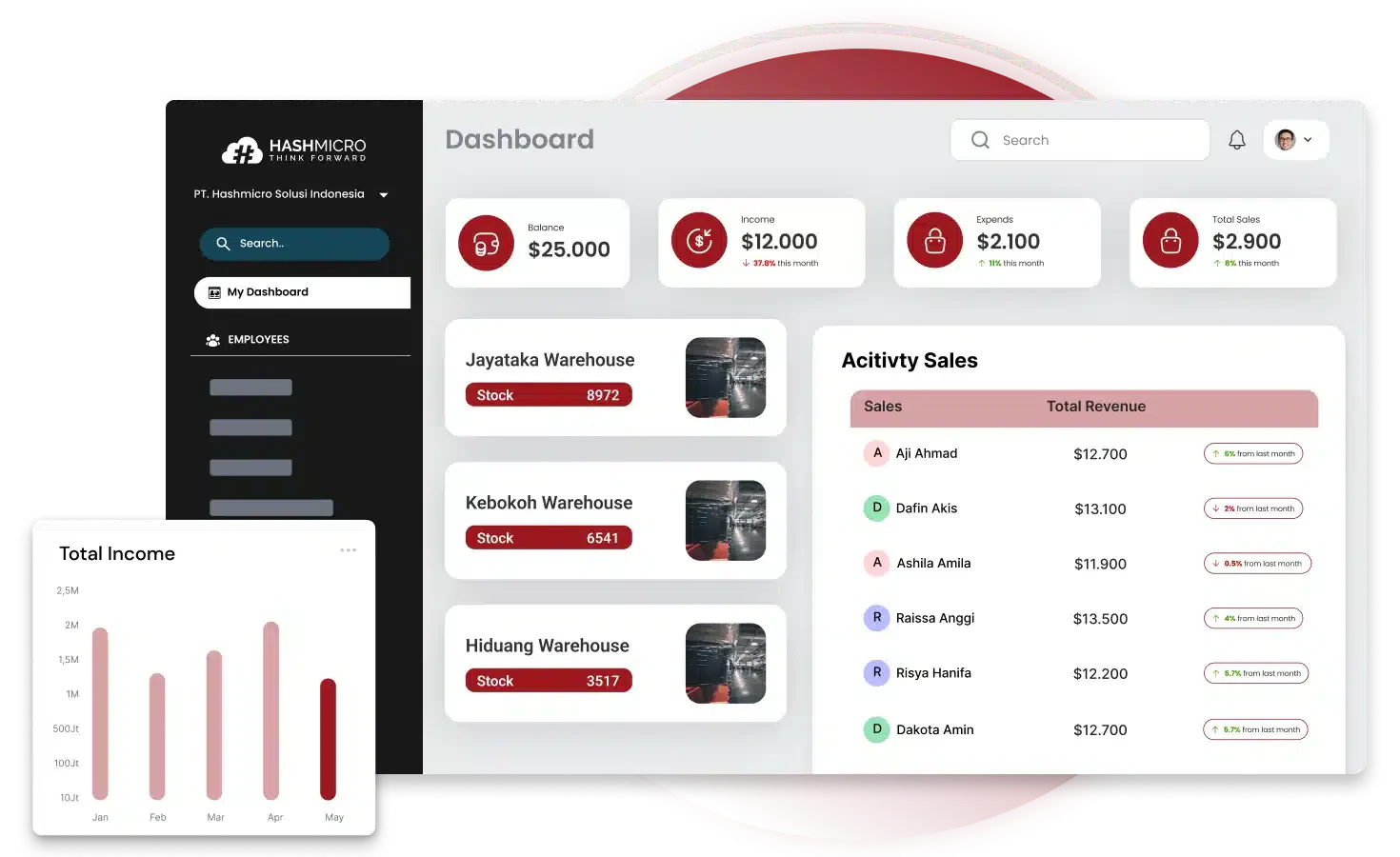 In today’s rapidly evolving automotive industry, businesses need the best ERP for automotive industry to streamline their operations and stay ahead of the competition. HashMicro, a leading provider of ERP solutions, offers a comprehensive suite of tools specifically designed for the automotive industry.