





Is your business facing challenges with product returns, managing excess stock, or handling customer expectations? These are common issues, especially in e-commerce and retail, where reverse logistics can significantly impact operational costs and customer satisfaction.
Reverse logistics inefficiencies can account for up to 19% of total logistics costs, according to a 2024 McKinsey analysis of mid- and last-mile logistics waste in retail and e-commerce supply chains. Managing returns, repairs, and disposal incorrectly can significantly increase expenses and reduce profitability.
Luckily, reverse logistics offers a systematic approach to managing returns, repairs, and recycling, ultimately improving operational efficiency and customer satisfaction. By streamlining reverse logistics processes, businesses can reduce waste, lower operational costs, and enhance customer experience.
Many businesses are already leveraging reverse logistics to boost their efficiency and profitability. Gusto mong malaman kung paano mo ma-optimize ang iyong sariling mga operasyon? Keep reading to explore the meaning of reverse logistics, its importance, and how it can drive better outcomes for your business.
Key Takeaways
What Is Reverse Logistics?Reverse logistics refers to the process of returning goods from customers to sellers, aiming to recover value or properly dispose of items. With e-commerce in the Philippines seeing a growth of 24.1% in 2023 and global return rates at 30%, managing returns efficiently is vital. Effective reverse logistics helps businesses reduce costs, minimize waste, and enhance customer satisfaction. It not only reduces the loss associated with product returns but also provides an opportunity for businesses to enhance customer loyalty and drive repeat business. By implementing efficient reverse logistics strategies, companies can minimize financial losses while ensuring a seamless customer experience. Why Is Reverse Logistics Important for Business?
Reverse logistics streamlines the flow of goods, cuts costs, and adds value by completing the product lifecycle. A 2023 survey shows over 65% of businesses plan to invest in the “circular economy” to close the supply chain loop by reusing products. This approach helps recover value from returns and reduces waste. In addition, reverse logistics plays a key role in sustainability, allowing businesses to repurpose returned items through reselling, recycling, and reusing. This process helps turn what would otherwise be waste into useful, valuable materials. For instance, businesses can reduce the significant losses that come from returns, which cost retailers billions of dollars annually. An effective implementation would help businesses recover some of these losses by efficiently managing inventory, including raw materials, and reintegrating them into the production process. This not only reduces waste but also boosts profitability. Furthermore, reverse logistics not only builds customer trust and satisfaction but also minimizes storage and distribution costs. This practice can fuel future sales and strengthen a company’s position in the market, aligning with growing customer demand for easy returns and high-quality products. Types of Reverse LogisticsReverse logistics encompasses various processes, each designed to handle specific scenarios and optimize the return, recovery, and recycling of products. Here’s a breakdown of the most common types and their uses:
In certain cases, companies offer maintenance services or repair damaged products that have been returned. After repairs, these products can be resold, extending their lifecycle and minimizing waste.
Reverse logistics includes managing packaging to reduce waste through reuse or recycling, minimizing environmental impact and supporting sustainability. Advanced WMS and SCM systems help streamline this by tracking inventory and packaging efficiently.
Occasionally, deliveries fail due to incorrect addresses, damaged goods, or other factors. In such instances, products are returned to sorting centers, where staff can resolve issues and ensure a successful redelivery.
Products reaching their End-of-Life (EOL) are no longer useful or marketable. These products may be recycled or disposed of, helping companies stay compliant with environmental regulations and reduce the burden on landfills.
Effective returns management ensures that products returned by customers are handled swiftly and efficiently. By establishing clear and efficient processes, companies can maintain customer satisfaction and minimize losses.
For businesses involved in leasing or renting equipment, reverse logistics helps manage the return, refurbishment, or redistribution of leased items once the contract ends. This reduces costs associated with unused or obsolete equipment.
Unsold products often return to manufacturers from retailers due to poor sales or inventory obsolescence. Efficient management of these returns helps recover value and minimize loss, contributing to sustainability.
Reverse logistics also involves processes like remanufacturing, refurbishing, and reconditioning returned products. This can recover reusable parts or materials, ultimately reducing waste and improving profitability.
The Return Policy and Procedure (RPP) outlines how companies handle returned products. It’s essential that these policies are clear and consistent to manage customer expectations and ensure fair handling of returns. Reverse Logistics Process
The reverse logistics process involves managing returns, surplus goods, materials, and any leases or refurbishments of these items. It varies across industries, with different economic incentives prompting improvements in reverse logistics management. Reverse logistics typically involves five key steps: 1. Initiating the return process The process starts when a customer requests a return, including authorization, assessing the product, organizing shipments, and processing refunds or replacements. 2. Assessing the returned item Upon receiving a return, inspect the product and decide its next step (repair, resale, recycling, or refurbishment) to ensure efficient sorting. 3. Ensuring swift movement of returns To improve efficiency, returned items must be processed quickly. Products needing repairs go to the repair department; recyclables go to the right channels. 4. Fixing or refurbishing items The repair department will fix salvageable items. Unrepairable products may be stripped for parts or disposed of responsibly. 5. Recycling or responsible disposal When products are beyond repair, they should be recycled to ensure sustainability and properly manage waste, especially hazardous materials like electronics, batteries, or plastic components. The Five R in Measuring Reverse Logistics PerformanceTo assess performance, companies measure the five “R’s”: returns, exchanges, repackaging, reselling, repairs, recycling, disposal, and replacements. Setting KPIs for each helps monitor success, spot improvements, and optimize processes.
A key KPI for returns is the return rate. While some returns are unavoidable, high rates can be costly and indicate quality issues or customer dissatisfaction, like poor descriptions or slow delivery.
A valuable KPI here is the percentage of returned products that can be repackaged and resold. While there is a cost to reverse logistics, the ability to resell a product helps offset the financial hit to the business.
Manufacturers and retailers can track the total cost of product repairs or refurbishment to ensure they do not become a money-losing proposition for the business. If the total cost is too high or trending higher, seek ways to streamline the process.
Companies are increasingly establishing goals or benchmarks for recycling and/or properly disposing of returned products or components. Tracking the percentage of returned materials that are recycled or properly handled is important to meet those goals.
Returned defective products may require partial or full replacement. Tracking the percentage of sales needing replacements reveals product-quality issues or possible user education gaps about proper use or assembly that might not require replacements. Benefits and Challenges of Reverse Logistics
Reverse logistics offers key benefits such as cost savings, better customer satisfaction, and improved sustainability. However, it also presents challenges that businesses need to manage carefully. Let’s explore these advantages and challenges in more detail.
BenefitsBusinesses benefit by reducing costs and boosting customer satisfaction through streamlined returns, recycling, and repairs, which cut waste, enhance efficiency, and foster loyalty. Additionally, reverse logistics supports faster service by ensuring quick product exchanges and repairs. Businesses benefit from improved brand sentiment, as customers appreciate hassle-free returns. Companies also contribute to sustainability by reducing waste and reusing materials. ChallengesDespite its advantages, reverse logistics comes with challenges. Managing bi-directional flow requires robust infrastructure to handle returns efficiently. This often involves using specialized software to automate the process, ensuring smooth tracking and monitoring. Companies also need to monitor and evaluate their processes regularly. Proper tracking of inbound and outbound logistics is essential to optimize logistics across the supply chain. Additionally, handling returned product quality can complicate returns, particularly for high-value or complex products. Strategies for Effective Reverse LogisticsEffective reverse logistics requires a strategic approach that integrates speed, efficiency, and cost control. The key to success lies in carefully managing return policies, collaborating with key partners, using data effectively, and streamlining logistics. Here are seven strategies to improve your operations: 1. Reassess return and repair policies Regularly review your company’s return and repair processes to identify common causes and ensure policies are clear and efficient. This can enhance customer satisfaction and reduce unnecessary returns. 2. Enhance collaboration with suppliers Strong supplier relationships streamline reverse logistics by encouraging communication and transparency, helping to quickly resolve issues, reduce delays, and ensure a positive customer experience. 3. Leverage data for smarter decision-making Track and analyze return data to understand customer behaviors. Identifying return patterns helps improve product design, sales, and logistics, reducing returns over time. 4. Link forward and reverse logistics for better traceability Create a seamless connection between your supply chain and returns. This enables you to quickly identify issues in the production or delivery process, and act proactively, especially when handling product recalls. 5. Consolidate returns processing Establish a dedicated returns center or use part of your warehouse. This streamlines managing returns, lowers handling time, and speeds up assessment, restocking, or recycling. 6. Optimize transportation logistics Make sure your return logistics are as efficient as your outbound deliveries. By integrating returns with regular transportation routes, you can cut down on unnecessary trips, saving both time and fuel costs. 7. Implement automation tools for efficiency Adopt cloud logistics systems to track returns, manage repairs, and analyze data in one platform. Automation reduces errors, speeds decisions, and enhances your reverse logistics strategy. Reverse Logistics in Supply Chain Management
Reverse logistics plays a key role in optimizing the supply chain by managing returns, recycling, and disposal. This process helps companies recover value from returned goods, minimize costs, and improve sustainability efforts. When done correctly, it contributes to both cost savings and customer satisfaction. To clearly understand the differences between reverse logistics and reverse supply chain, here’s a simple comparison:
While both processes involve the return of goods, reverse logistics is broader, handling returns, repairs, and recycling, while reverse supply chain focuses on defective items being returned for resolution. Reverse Logistics ExamplesProper handling of returns, exchanges, and recycling is essential for meeting customer expectations and enhancing business performance. Simplifying online returnsLazada Philippines has made online returns more convenient by allowing customers to schedule product pick-ups or drop off items at designated partner locations. These returns are processed at dedicated facilities, where products are either restocked or responsibly recycled. Enhancing sustainabilityH&M supports a circular economy by collecting used clothing in its stores. Customers can bring in old garments, which are then recycled or repurposed into new products, helping to reduce textile waste and promote sustainability. Reducing waste through recyclingUnilever Philippines partners with local organizations to surpass plastic waste diversion targets and comply with the Extended Producer Responsibility (EPR) law. Their initiatives focus on collecting and recycling post-consumer plastic, contributing to a more circular approach to packaging. Embracing recommerceGlobe Telecom’s device trade-in program lets customers exchange old mobile phones for discounts or bill credits. These devices are then refurbished, resold, or recycled, extending product lifecycles and supporting environmental responsibility. Through reverse logistics, these companies are turning returns and recycling into opportunities for growth, improved sustainability, and stronger customer loyalty. The Future of Reverse LogisticsThe U.S. retail market’s product returns hit $685 billion in 2024, about 13.2% of sales. This is down from $743 billion in 2023, but losses from fraudulent returns rose to $103 billion. While this figure reflects the U.S. market, similar trends are emerging globally, including in the Philippines, as e-commerce continues to expand. Reverse logistics as a strategic assetReverse logistics is shifting from a cost center to a strategic asset. Companies using advanced data integration and real-time tracking can better coordinate returns with overall supply chain operations. AI and robotics will automate sorting, warehousing, and return forecasting. The rise of recommerce and sustainabilityRecommerce involves reselling returned or refurbished goods to generate revenue, supporting sustainability and circular economy goals by reducing waste and recovering assets. Future reverse logistics will leverage technology and data to improve efficiency, lower environmental impact, and open new opportunities. Manage Reverse Logistics With HashMicro
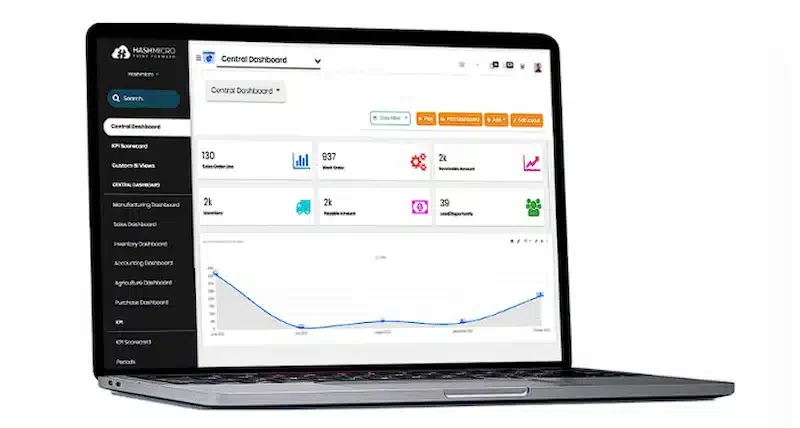
Reverse logistics is an essential part of optimizing your supply chain, ensuring products are returned efficiently and that businesses can recover value from returned goods. To make the most of your reverse logistics efforts, implementing the right solution is crucial. HashMicro’s SCM software streamlines logistics and boosts supply chain efficiency. It helps manage returns, track shipments, and optimize inventory in one system. Here’s how HashMicro SCM can transform your reverse logistics operations: Key Features of HashMicro SCM Software:
ConclusionReverse logistics optimizes supply chains, cuts costs, and adds value. Managing returns, repairs, and recycling boosts profit and sustainability. Companies that adopt reverse logistics better meet customer expectations and improve efficiency. Sa mga negosyo na nagnanais mag-optimize ng reverse logistics at mapabuti ang performance ng supply chain, HashMicro’s Supply Chain Management (SCM) software is the right solution. With its advanced features like real-time inventory tracking, automated returns management, and seamless integration, businesses can boost operational efficiency and reduce costs. Ready na bang paunlarin ang iyong reverse logistics? Book a free demo with HashMicro today and see how our SCM software can transform your operations, driving growth and better customer satisfaction.
FAQ About Reverse LogisticsWhat are the barriers of reverse logistics?
|