





Is your sales team struggling to hit their targets, leaving your business growth parang bangkang walang layag? Many business owners in the Philippines face the same challenge, especially in a competitive market where every sale counts. The good news? Setting clear, realistic sales targets can be your game-changer.
These goals give your team focus, boost motivation, and ensure every effort aligns with growing your business. Think of it as a roadmap that turns scattered efforts into consistent results.
This guide is designed specifically for Filipino business owners looking to take their sales strategy to the next level. You’ll discover simple, practical steps to set sales targets that drive growth, keep your team motivated, and help you stay ahead of the competition. Let’s dive in!
Key Takeaways
What is a Sales Target?Sales targets are measurable goals businesses set to guide teams toward specific outcomes. These targets, whether revenue-based, unit-based, or activity-based, help define priorities and focus efforts. Businesses set clear targets to ensure every team member understands their role and contributes effectively. The primary purpose of sales targets is to align team efforts with business goals, providing clarity and direction. For example, a company may set a target to sell 1,000 units of a new product in the first quarter, encouraging the sales team to prioritize this product in client pitches. They serve as benchmarks to measure success, identify performance gaps, and make strategic improvements. With well-set targets, businesses can motivate their teams and drive consistent growth. Importance of Sales Targets
Sales targets play a vital role in driving business success by giving teams clear direction and purpose. They help align efforts, boost performance, and create a roadmap for growth. The importance is:
By setting actionable sales targets and using tools such as a comprehensive sales CRM system, you create a solid foundation for your team’s success. These targets keep your business growing and ensure your team stays motivated and focused. Types of Sales Targets
Challenges in Setting Sales TargetsSetting effective sales targets can be tricky, but overcoming these challenges is crucial for business success. When done right, targets align with your goals, motivate your team, and ensure steady progress. However, common hurdles often arise, which businesses must address proactively. They are:
By addressing these challenges head-on, you can set sales targets that inspire your team, align with business goals, and drive consistent growth. Tools and strategies that simplify planning and tracking make all the difference. How to Create Effective and Realistic Sales Targets1. Analyze Historical Sales DataDive into your previous sales records to uncover patterns, seasonal trends, and successful strategies. Reviewing this data helps you understand what works and what doesn’t, giving you a strong foundation for setting achievable targets. For example, if past data shows a peak in sales during holiday seasons, you can set higher goals during those periods while keeping off-season targets realistic. 2. Forecast Future Market TrendsLook ahead to predict where your market is headed by studying consumer behavior, competitor activity, and industry developments. Use tools like market reports or customer feedback to gauge upcoming opportunities and challenges. Accurate forecasting ensures your targets are aligned with current opportunities, reducing the risk of chasing outdated or irrelevant goals. 3. Adjust Targets to Align with GoalsYour sales targets should support larger company objectives like expanding into new markets, boosting revenue, or increasing customer retention. Periodically revisit your targets to ensure they remain relevant to these goals. For instance, if your focus shifts to acquiring new clients, adjust targets to emphasize lead generation and first-time purchases. Using lead management software can help you to align with these goals. 4. Involve Sales Team Members in PlanningBring your team into the planning process to gather insights from those on the front lines. This collaborative approach makes targets feel fair and achievable, building trust and accountability. Sales reps can share customer feedback, highlight roadblocks, and suggest practical goals, ensuring the targets you set are both realistic and motivating. How to Monitor and Achieve Sales TargetsAchieving sales targets requires careful monitoring and quick action to adapt to changes. By effectively setting up sales targets that are realistic, data-driven, and aligned with business goals, you can stay on track and ensure your team delivers consistent results. These are how:
By using KPIs, real-time tools, and a dynamic approach, you can effectively monitor sales performance and adjust strategies to meet your targets. These methods not only help achieve goals but also keep your team motivated and prepared for any challenges. Also read: What is BIR eSales and How It Simplifies Tax Filing Sales Targets Example for Various RolesFor sales managersSales managers are responsible for driving overall team performance and ensuring company targets are met. Their targets often include increasing the team’s monthly sales by 15% or onboarding two high-value clients in a quarter. For instance, a sales manager might implement new strategies, such as enhanced coaching or streamlined processes, to reduce the team’s average sales cycle from 45 days to 30 days. These targets push managers to lead effectively by guiding their teams, identifying opportunities, and removing obstacles. For sales representativesSales representatives typically have individual quotas focused on measurable goals, such as closing 20 deals a month or generating $15,000 in revenue by the end of the quarter. For example, a rep working in the Philippine market might aim to convert 30% of warm leads or follow up on 50 customer inquiries weekly. These practical, numbers-driven targets encourage reps to stay consistent in their efforts while building valuable skills like negotiation and relationship management. For customer success teamsCustomer success teams play a key role in retaining clients and ensuring long-term revenue growth. Their targets might include improving customer retention rates by 10% or securing renewals from 80% of their clients within the year. For example, a success manager could aim to upsell new services to three existing clients each month by deepening relationships and understanding their evolving needs. These goals not only help the business grow but also ensure clients feel valued and supported. For marketing teams supporting salesMarketing teams are vital in generating leads and creating opportunities for the sales team. Their targets might include driving 200 qualified leads to the sales pipeline each month or increasing webinar attendance by 25% for a product launch. For instance, a marketing manager could focus on improving social media engagement rates by 15% within a quarter to attract more prospective clients. These goals ensure marketing efforts are directly tied to sales objectives, creating a cohesive strategy between the two departments. Strategies to Improve Sales Target AchievementAchieving sales targets requires more than setting goals; it’s about building a motivated and collaborative team. By focusing on rewarding achievements, encouraging innovation, and fostering teamwork, you can create an environment where your team thrives and consistently meets targets—starting from accurate sales order management that aligns team efforts with customer demand and revenue goals. Some strategies you could try are:
By implementing these strategies, you can create a culture of excellence that not only improves performance but also keeps your team engaged and motivated for long-term success. Achieve Sales Target Effortlessly with HashMicro’s CRM Software
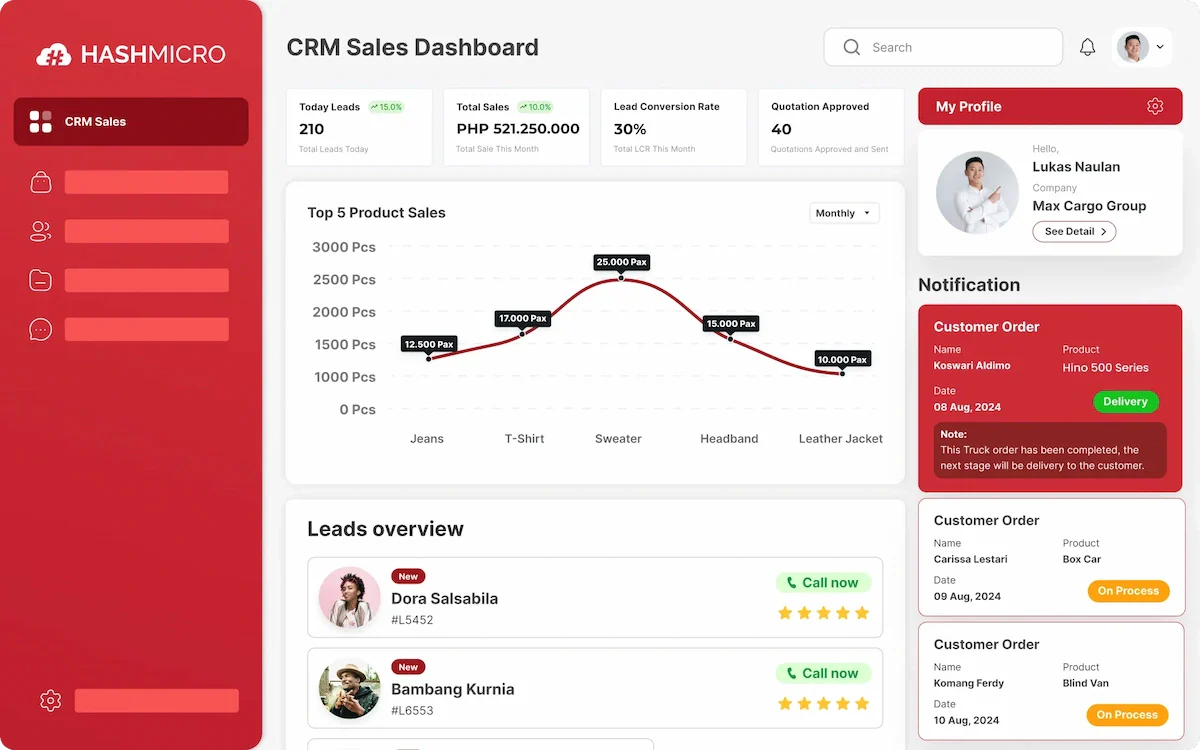
Achieving sales targets becomes much easier when you have the right tools to streamline your processes. HashMicro’s CRM software empowers businesses to stay organized and build better customer relationships. With its user-friendly interface and advanced features, it’s designed to help your team perform at their best. HashMicro’s CRM software takes the stress out of managing sales by automating tasks and providing real-time insights. It helps you focus on what matters—closing deals, nurturing customer relationships and driving revenue. Some of its comprehensive features are:
By leveraging these powerful features, your sales team gains the tools they need to hit targets consistently and efficiently. With a Comprehensive customer management platform, meeting your sales goals is not just achievable but effortless. It’s time to equip your business with the tools it needs to thrive in today’s competitive market. ConclusionAchieving sales targets is more than just hitting numbers—it’s about driving sustainable growth and empowering your team. Setting clear and realistic goals creates a roadmap for success that aligns efforts across your organization. Tools like HashMicro’s CRM software simplify this process, making tracking progress easier. With features like sales target management, in-depth reporting, and real-time insights, HashMicro’s CRM software equips your team with everything they need to excel. Don’t wait—experience how it can transform your sales process. Sign up for a free demo today and start achieving your sales goals effortlessly! Frequently Asked QuestionsWhat is an example of a sales target?An example of a sales target is achieving $50,000 in revenue or closing 30 deals in a month. Such targets help teams focus on clear, measurable goals to track progress. What is selling target?A selling target refers to the specific sales goal set for a team or individual over a period. For example, it could include objectives like revenue generation, product sales, or customer acquisition. How to identify sales targets?Identify sales targets by analyzing historical data, forecasting market trends, and aligning them with business goals. Involving the sales team in planning ensures realistic and motivating targets. HashMicro follows strict editorial standards and uses primary sources such as regulations, industry guidance, and trusted publications to keep content accurate and relevant.       Chat Now : |