






Farm management software helps Australian agribusinesses manage crops, livestock, labour, inputs, compliance, and financial records from one system. For farms dealing with rising costs, climate variability, biosecurity obligations, and tighter reporting needs, the right platform can reduce admin work and improve decision-making.
This guide compares 10 farm management software options for 2026, including tools for livestock, broadacre cropping, horticulture, farm accounting, weather planning, and ERP-connected agriculture operations.
Best Because
Livestock and grazing management platform for Australian cattle and sheep producers.


Best Because
All-in-one farm management software for mixed farms managing crops, livestock, inventory, and sales.
Best Because
Enterprise farm management platform for crop planning, compliance, analytics, and multi-farm visibility.
What Is Farm Management Software?

Farm management software is a digital system that helps farmers and agribusinesses plan, record, monitor, and analyse farm operations.
It can cover paddock records, livestock movements, crop planning, chemical use, inventory, labour scheduling, machinery activity, financial reporting, and compliance documentation.
For larger farms, an integrated agricultural management platform can also connect farm activity with purchasing, inventory, accounting, payroll, and sales data. As a result, owners and managers can see operational and financial performance in one place.
Quick Comparison Table
| Features | AgriWebb | Agworld | Figured | Farmbrite | Farmsoft | HashMicro | CliMate | Trimble Ag | Climate FieldView | Agrivi |
|---|---|---|---|---|---|---|---|---|---|---|
| Ease of Use | ||||||||||
| Pricing | ||||||||||
| Livestock Management | ||||||||||
| Cropping Support | ||||||||||
| Financial Management | ||||||||||
| Compliance Support | ||||||||||
| Integration Capability | ||||||||||
| Mobile Access |
Best Farm Management Software in Australia
The best platform depends on farm type, data needs, and compliance workload. Livestock businesses usually need animal records and NLIS support, while cropping businesses need paddock plans, chemical records, and yield data.
1. AgriWebb
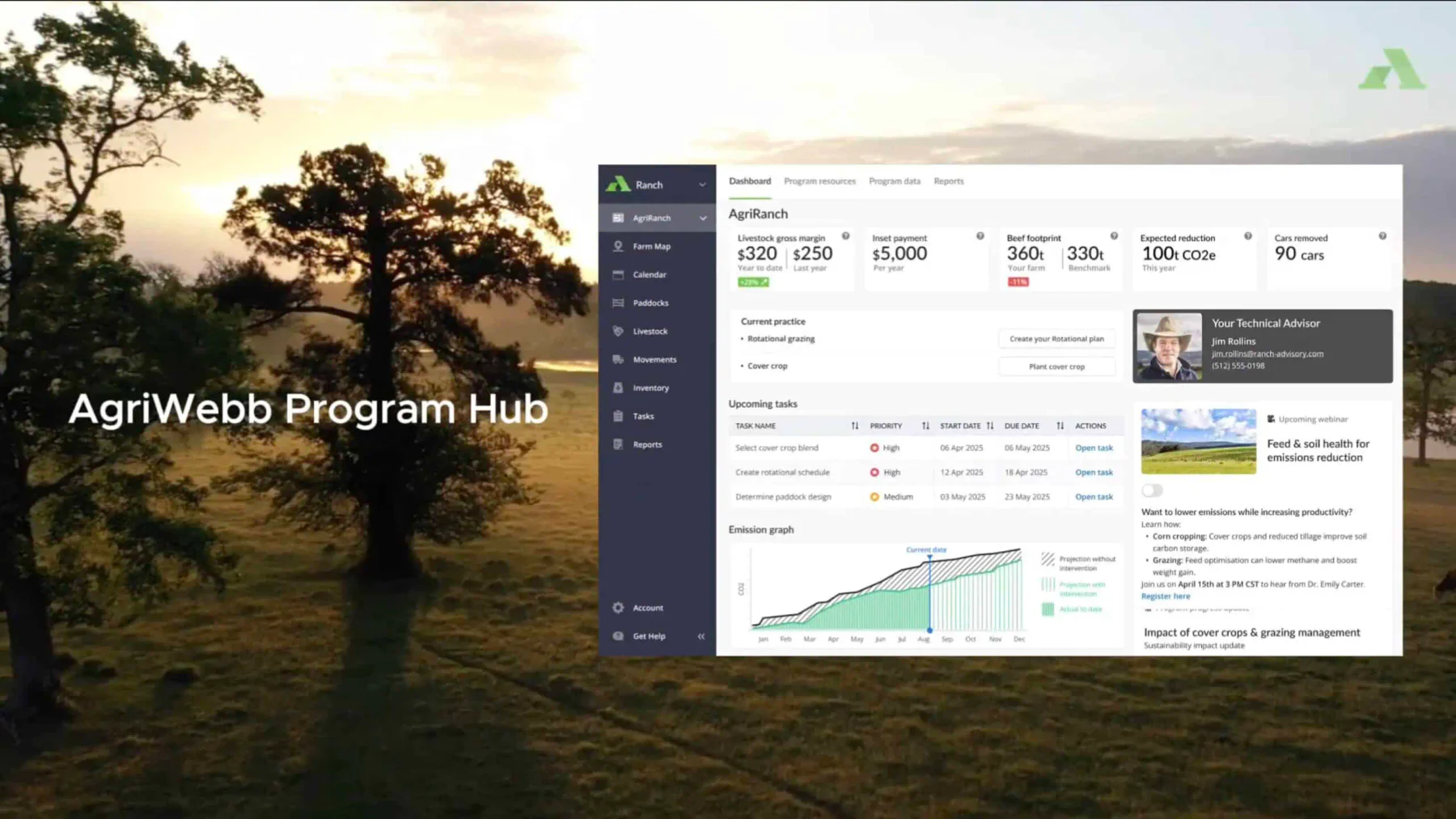
AgriWebb is a farm management platform built strongly around livestock and grazing operations. It helps farmers manage paddocks, livestock records, grazing plans, tasks, and farm performance data.
The platform suits cattle and sheep producers that need better visibility over animal movements, feed, treatments, and property activity.
Key Features:
- Livestock and paddock records
- Grazing and feed planning
- Animal treatment tracking
- Farm task management
- Mobile access for on-farm use
| Pros | Cons |
|
|
Pricing: Custom pricing based on farm size and requirements.
Suitable for: Livestock producers needing animal, paddock, and grazing management in one system.
2. Agworld
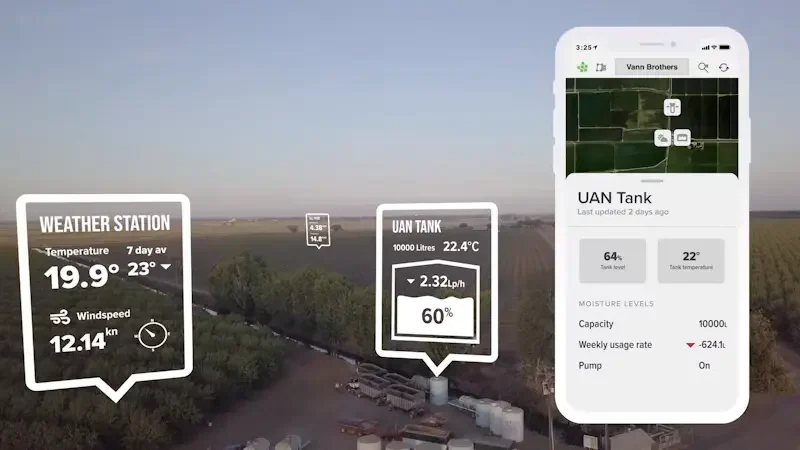
Agworld is a farm management and agronomy collaboration platform used by growers, agronomists, and advisers. It helps teams plan crops, record field activities, manage inputs, and analyse paddock performance.
It is especially useful for broadacre and cropping businesses that work closely with agronomists and need accurate field-level records.
Key Features:
- Crop planning and paddock records
- Agronomist and grower collaboration
- Input cost tracking
- Spray and field activity records
- Farm performance analysis
| Pros | Cons |
|
|
Pricing: Custom pricing.
Suitable for: Broadacre growers and agronomy teams needing crop planning, records, and adviser collaboration.
3. Figured
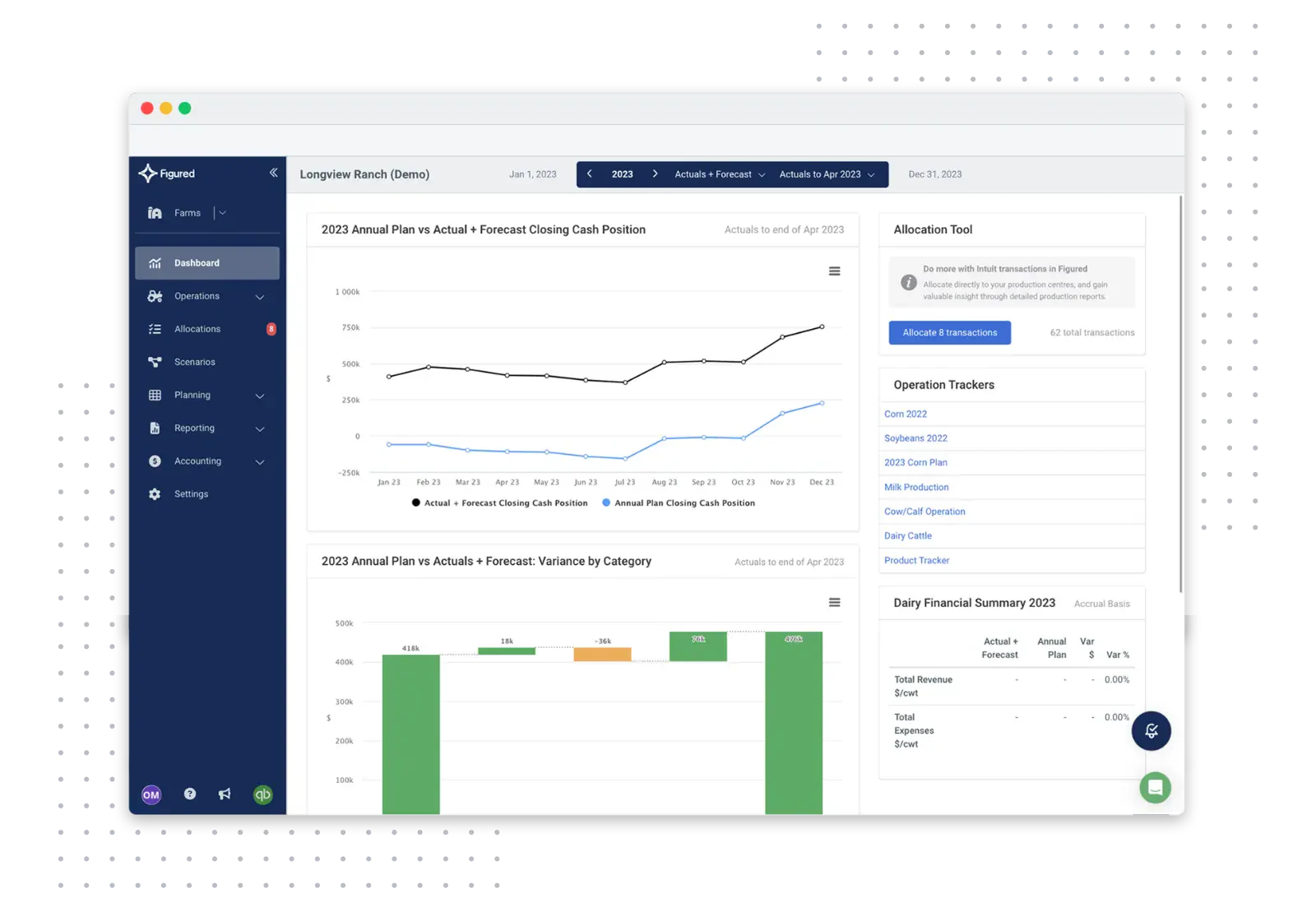
Figured is farm financial management software built around budgeting, forecasting, and performance reporting. It connects with accounting systems such as Xero to give farmers stronger financial visibility.
The platform is useful for agribusinesses that need to compare actual results with forecasts, manage cash flow, and prepare better reports for lenders or advisers.
Key Features:
- Farm budgeting and forecasting
- Cash flow planning
- Livestock and crop financial tracking
- Scenario planning
- Xero integration
| Pros | Cons |
|
|
Pricing: Custom pricing.
Suitable for: Farms needing better financial planning, forecasting, and lender-ready reporting.
4. Farmbrite
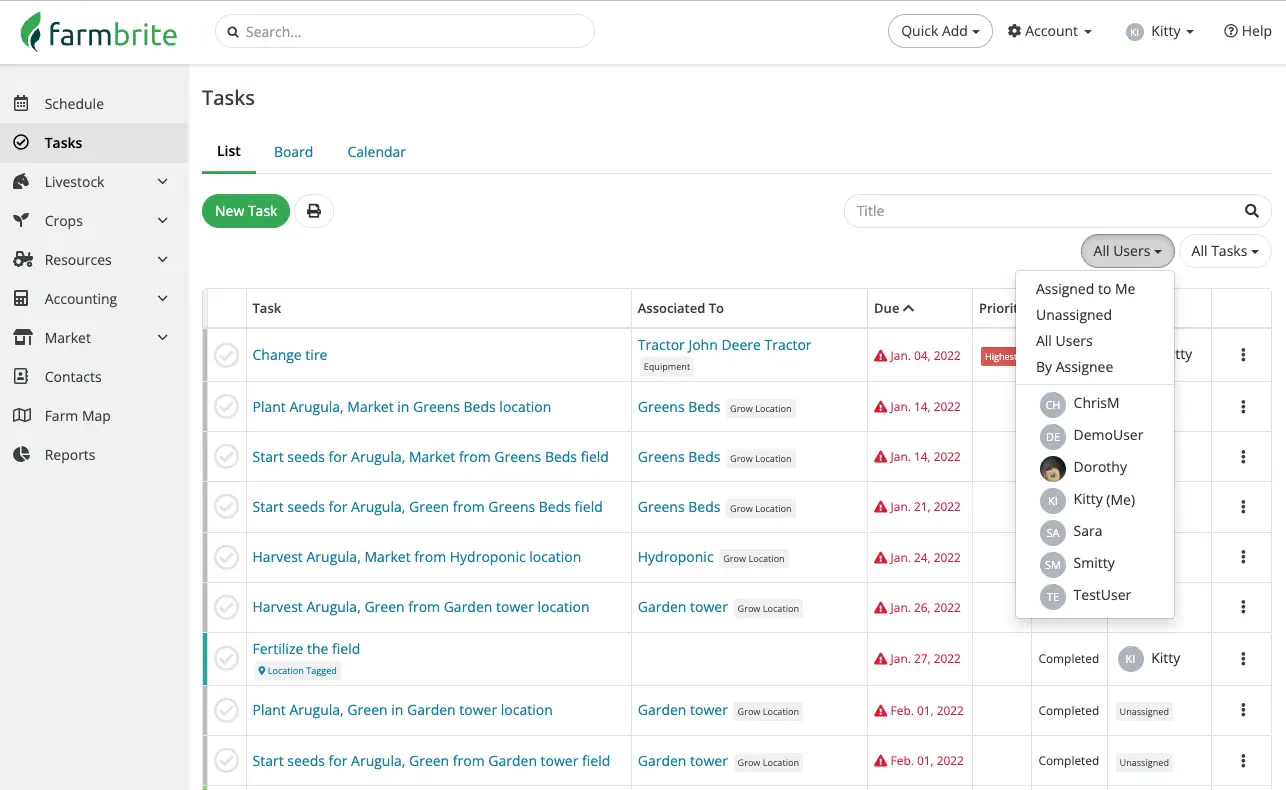
Farmbrite is an all-in-one farm management platform for crops, livestock, inventory, contacts, tasks, and sales. It suits small to mid-sized mixed farms that want broad functionality without heavy implementation.
The platform covers daily farm records and also supports farm shops, products, and basic business management.
Key Features:
- Crop and livestock management
- Inventory and equipment records
- Task and calendar planning
- Farm sales and customer records
- Reporting dashboards
| Pros | Cons |
|
|
Pricing: From around AUD 55 per month, depending on plan and exchange rate.
Suitable for: Mixed farms needing crop, livestock, inventory, and sales records in one platform.
5. Farmsoft
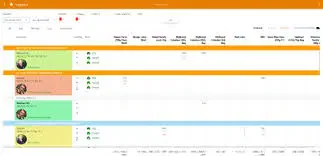
Farmsoft focuses on fresh produce management, including packing, traceability, inventory, quality control, and supply chain workflows. It is designed for fruit, vegetable, and perishable goods businesses.
The platform suits farms and packhouses that need batch tracking, food safety records, and better visibility from harvest to dispatch.
Key Features:
- Fresh produce traceability
- Packing and inventory control
- Quality management
- Order and dispatch management
- Batch and lot tracking
| Pros | Cons |
|
|
Pricing: Custom pricing.
Suitable for: Horticulture, fresh produce, and packhouse businesses needing traceability and inventory control.
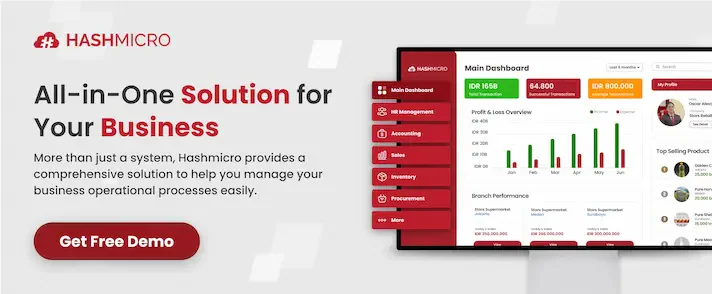
6. HashMicro Agriculture Management Software
HashMicro Agriculture Management Software helps agribusinesses manage farm operations, inventory, procurement, finance, HR, and reporting from one ERP-connected platform. It is useful for growing agriculture companies that need more than standalone farm records.
The system can support crop planning, supply chain control, stock visibility, purchasing, accounting, and operational reporting across multiple sites or business units.
Key Features:
- Farm operation planning
- Inventory and procurement management
- Accounting and financial reporting
- HR and workforce management
- Custom dashboards and workflows
| Pros | Cons |
|
|
Pricing: Custom pricing based on modules and company needs.
Suitable for: Agribusinesses needing farm operations connected with finance, inventory, HR, and procurement.
7. CliMate
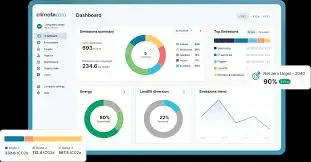
CliMate is a climate decision-support tool developed for Australian agriculture. It helps farmers assess rainfall, temperature, heat stress, and seasonal climate risks.
It is useful for farmers who need climate insights before making decisions about sowing, spraying, grazing, irrigation, or seasonal planning.
Key Features:
- Rainfall and temperature insights
- Seasonal climate forecasting
- Heat stress and frost risk support
- Weather-based planning tools
- Mobile access
| Pros | Cons |
|
|
Pricing: Free or low-cost access depending on tool availability.
Suitable for: Farmers needing climate and weather insights for operational decisions.
8. Trimble Ag
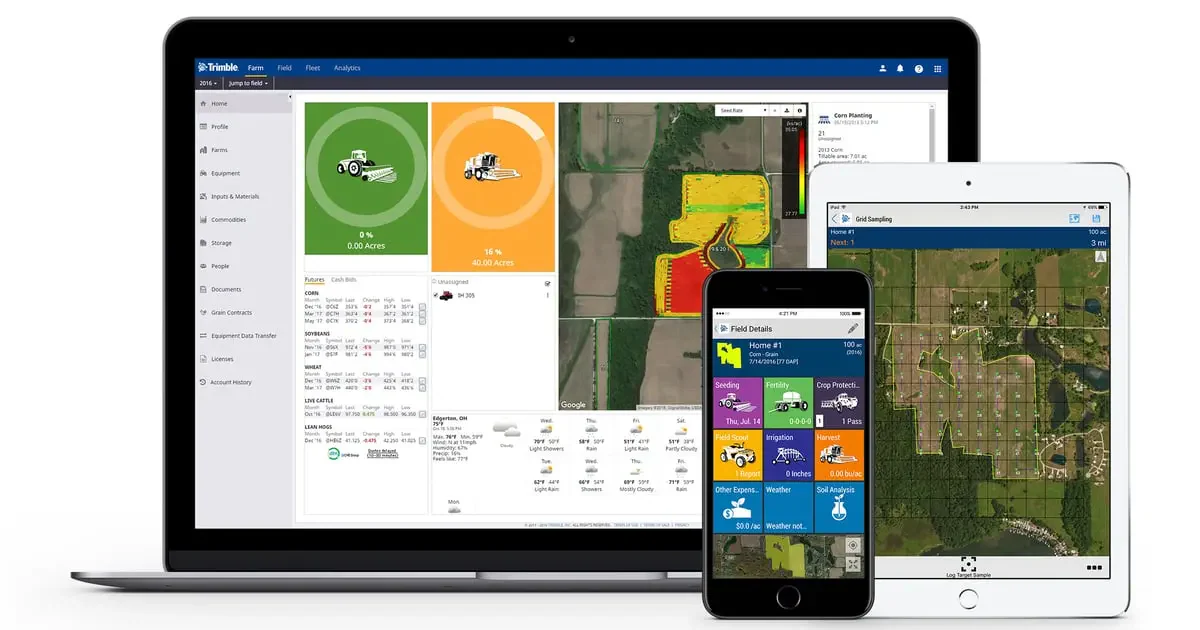
Trimble Ag provides precision agriculture tools for field operations, machine guidance, mapping, and farm data management. It helps farms improve accuracy across planting, spraying, spreading, and harvest workflows.
The platform suits larger cropping businesses and contractors that use machinery data and precision farming equipment.
Key Features:
- Precision field mapping
- Guidance and steering tools
- Field operation records
- Machinery data integration
- Crop input planning
| Pros | Cons |
|
|
Pricing: Custom pricing.
Suitable for: Broadacre farms and contractors needing precision agriculture and machinery-connected field data.
9. Climate FieldView
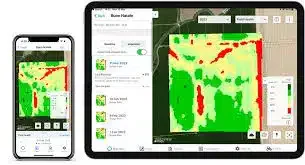
Climate FieldView is a digital farming platform for crop data, field mapping, and performance insights. It helps growers collect and analyse field data to support planting, spraying, and yield decisions.
The platform is useful for cropping businesses that want better visibility over field variability and input performance.
Key Features:
- Field mapping
- Crop performance insights
- Planting and harvest data
- Field variability analysis
- Digital crop records
| Pros | Cons |
|
|
Pricing: Custom pricing.
Suitable for: Cropping businesses needing field-level insights and digital crop performance records.
10. Agrivi
Agrivi is a farm management platform for crop production, compliance, analytics, and enterprise farm operations. It supports planning, monitoring, and reporting across crops, inputs, labour, and finances.
The platform suits larger growers, food producers, and agriculture companies that need structured data across multiple farms or production sites.
Key Features:
- Crop production planning
- Input and activity records
- Compliance documentation
- Farm analytics
- Multi-farm management
| Pros | Cons |
|
|
Pricing: Custom pricing.
Suitable for: Larger crop producers and agriculture companies needing multi-farm planning and analytics.
Benefits of Farm Management Software for Australian Agribusinesses

Farm software should do more than store records. It should help owners, managers, agronomists, and finance teams make faster decisions with clearer data.
1. Real-time visibility across crops, livestock, and financials
Farm management software gives managers a clearer view of what is happening across paddocks, herds, inventory, labour, and finances.
This visibility matters when farms operate across multiple properties or production lines. For example, a mixed farm can compare crop input costs, livestock performance, and cash flow without waiting for manual reports.
2. Reduced compliance burden for NLIS, biosecurity, and BAS
Australian farms often need to keep records for livestock movements, biosecurity activities, chemical use, invoices, and tax reporting.
A digital system helps keep those records easier to find and update. Therefore, farms can prepare for audits, adviser reviews, and BAS reporting with less spreadsheet work.
3. Better input cost control and farm profitability tracking
Seed, fertiliser, fuel, chemicals, labour, and freight can shift quickly in price. Farm management software helps businesses track these costs by paddock, crop, herd, or enterprise.
This gives managers a better view of margin, not just production volume. As a result, decisions about input use, stocking rates, and crop choices become more financially grounded.
4. Improved workforce scheduling for seasonal labour peaks
Harvest, shearing, spraying, planting, and packing seasons often create short, intense labour demands.
Farm software can help managers schedule jobs, assign workers, track completion, and review labour costs. This is useful for farms that rely on seasonal workers, contractors, or teams spread across several locations.
5. Faster access to data for bank lending and grant applications
Banks, accountants, and government grant programs often need reliable production and financial information.
Farm management software helps businesses prepare records faster because data is already structured. This can support cash flow reviews, expansion planning, equipment finance, and grant documentation.
Farm Management Software in the Australian Agricultural Landscape
Australian agriculture is large, export-focused, and highly exposed to weather, input costs, and compliance pressure. Farm software has become more useful because it helps turn daily records into practical business evidence.
1. Australian agriculture by the numbers: scale, output, and key sectors
ABARES reported that Australian agriculture, fisheries, and forestry production is forecast to reach a record AUD 101.4 billion in 2025 to 2026. The sector remains a major contributor to exports, regional employment, and food supply.
The main sectors include livestock, broadacre cropping, horticulture, dairy, forestry, and fisheries. Because these sectors operate differently, software selection should match the farm’s production model.
2. Department of Agriculture biosecurity and compliance requirements
Biosecurity protects farms, supply chains, and export markets from pests and diseases. Farmers need reliable records for movements, treatments, visitors, inputs, and incidents.
Farm management software can support transparency in operational sustainability by keeping biosecurity actions, chemical use, animal records, and production activity easier to trace. This is increasingly important for processors, exporters, and large customers.
3. NLIS: National Livestock Identification System for cattle and sheep
NLIS is Australia’s national livestock identification and traceability system. It supports cattle, sheep, and goat traceability through tags, property identification, movement documents, and database records.
Livestock producers should check whether their software can record animal movements, property details, treatments, and sale information. This helps reduce errors when animals move between properties, saleyards, processors, or buyers.
4. Farm Management Deposits (FMD) scheme and financial record obligations
The Farm Management Deposits scheme helps eligible primary producers manage income fluctuations by setting aside income in good years for use in lower-income years.
The Department of Agriculture reported total FMD holdings of around AUD 5.93 billion at 31 March 2026. Because these deposits affect cash flow planning, farmers need accurate financial records and adviser-ready reports.
5. GST-free treatment of primary production and invoicing requirements
Some supplies connected with primary production may receive GST-free treatment, depending on the transaction type and ATO rules. However, farmers still need correct invoices, tax codes, and records to support BAS reporting.
Farm software with accounting integration can help classify sales, expenses, and GST treatment more consistently. Still, businesses should confirm tax treatment with their accountant because rules vary by supply type.
How to Choose Farm Management Software in Australia
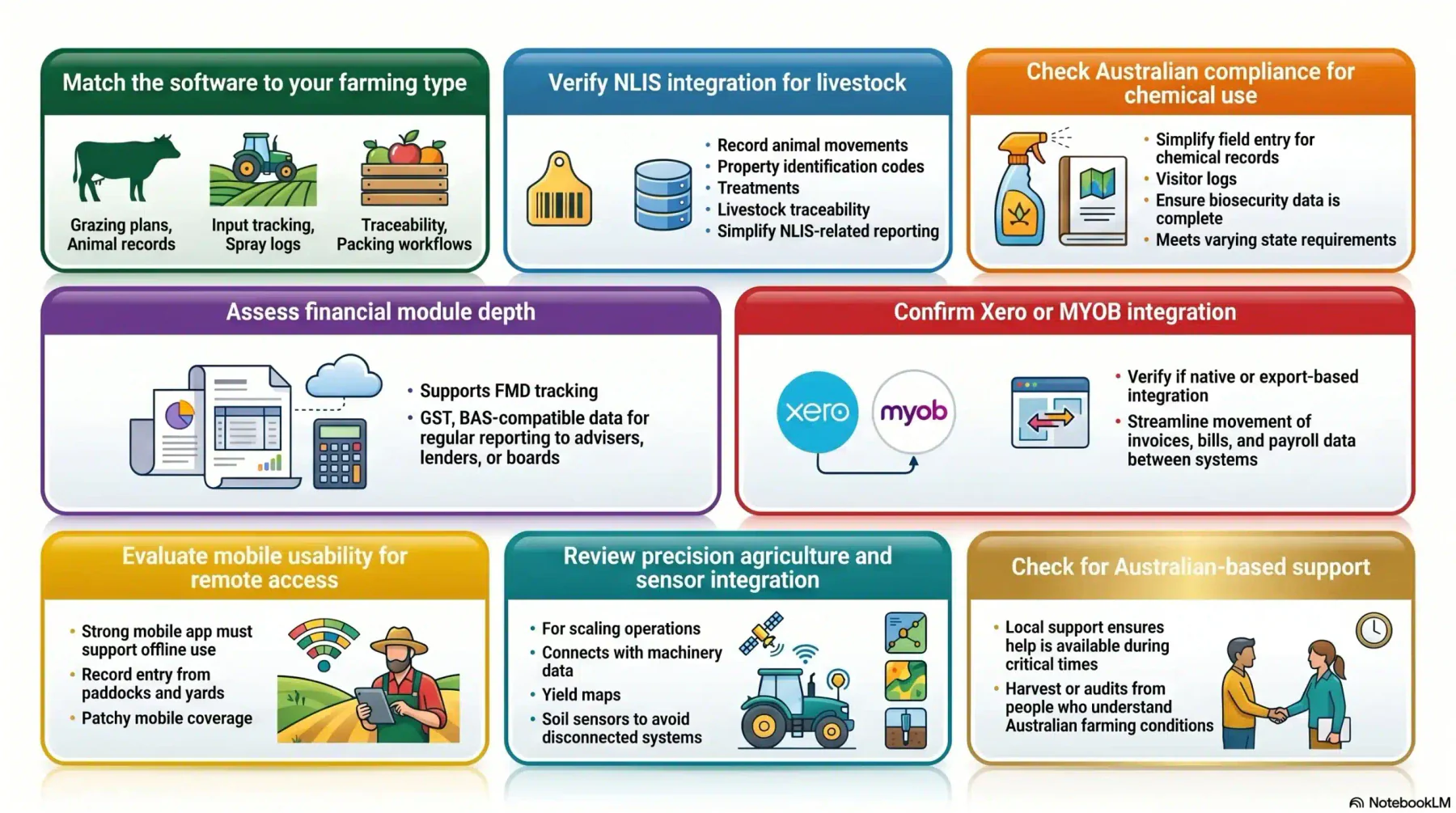
Choosing farm software starts with the way the farm actually operates. A cattle station, grain farm, orchard, dairy, and packhouse will not need the same system.
1. Match the software to your farming type (livestock, cropping, horticulture, mixed)
Livestock farms should prioritise animal records, grazing plans, NLIS support, and treatment history. Cropping farms need paddock records, input tracking, spray logs, and yield data.
Horticulture businesses often need traceability, harvest records, packing workflows, and quality control. Mixed farms should look for flexible systems that can manage several enterprises in one place.
2. Verify NLIS integration if you run cattle or sheep
If you manage cattle, sheep, or goats, livestock traceability should sit near the top of your checklist.
Look for tools that can record animal movements, property identification codes, treatments, sale events, and livestock groups clearly. Then, check whether the system makes NLIS-related reporting easier for your workflow.
3. Check Australian compliance features for chemical use records and biosecurity
Chemical records, withholding periods, visitor logs, disease controls, and movement records can vary by state and production type.
The software should make record entry simple in the field. If staff avoid the system because it is difficult to use, compliance data will become incomplete.
4. Assess financial module depth: FMD tracking, GST, BAS compatibility
Some farm tools focus on operations, while others include stronger financial planning and reporting.
Check whether the system supports budgets, forecasts, cash flow, FMD planning, GST coding, and BAS-compatible data. This matters for farms that need regular adviser, lender, or board reporting.
5. Confirm Xero or MYOB integration for farm accounting
Many Australian farms use Xero or MYOB for accounting, so integration can save time and reduce data entry errors.
Before choosing software, ask whether the integration is native, export-based, or handled through a connector. Also, test how invoices, bills, inventory, payroll, and cost data move between systems.
6. Evaluate mobile usability for on-farm and remote property access
Farm records often need to be entered from paddocks, yards, sheds, vehicles, and remote sites.
A strong mobile app should work smoothly and, where possible, support offline use. This is especially important for properties with patchy mobile coverage.
7. Review precision agriculture and sensor integration if scaling operations
Larger cropping businesses may need machinery data, yield maps, soil data, weather stations, sensors, and prescription maps.
If precision agriculture is part of your growth plan, check whether the software can connect with equipment and field data tools. This helps avoid disconnected systems as the farm scales.
8. Check whether the vendor has Australian-based support
Local support can make a real difference when teams need help during harvest, animal movements, audits, or system setup.
Ask about support hours, onboarding, training, data migration, and local implementation experience. A good platform should be backed by people who understand Australian farming conditions and compliance needs.
Conclusion
Farm management software helps Australian agribusinesses manage records, costs, compliance, labour, livestock, crops, and financial visibility more effectively.
AgriWebb and Agworld are strong options for livestock and cropping workflows, while Figured is useful for farm financial planning. Farmsoft suits fresh produce businesses, and Trimble Ag or Climate FieldView can help farms using precision agriculture data.
For agribusinesses that need farm operations connected with inventory, procurement, finance, HR, and reporting, HashMicro offers a broader ERP-connected approach. If you want to explore the best fit for your farm, consult with the experts to match the software with your production model, compliance needs, and growth plans.
Frequently Asked Question
Farm management software helps farmers and agribusinesses manage crops, livestock, labour, inventory, compliance records, financial data, and reporting from one digital system.
The best farm management software depends on the farm type. AgriWebb suits livestock farms, Agworld suits cropping businesses, Figured is strong for farm financial planning, and HashMicro suits agribusinesses that need ERP-connected farm, inventory, procurement, and finance management.
Yes, some farm management software can help record livestock movements, animal details, property information, and treatment history. Cattle, sheep, and goat producers should check whether the system supports NLIS-related workflows before choosing a platform.
Yes, many farm management platforms can connect with accounting tools such as Xero or MYOB. This helps farmers reduce manual data entry, manage invoices, track expenses, and prepare cleaner financial reports.
Farm management software pricing varies by platform, farm size, and feature requirements. Some tools offer monthly plans, while advanced systems and ERP-connected platforms usually provide custom pricing based on modules, users, and operational scope.