





Managing multiple systems becomes difficult as a business grows. Using separate software for finance, HR, inventory, and customers can lead to scattered data and slower processes. When systems are not connected, teams struggle to access accurate, real-time information.
An ERP system solves this by bringing data and operations into one platform. Its modules handle different functions while sharing the same database, ensuring automatic updates across departments.
Key Takeaways
What Are ERP Modules? They are distinct functional components that plug into a central system to manage specific business departments like finance or HR.
The Core ERP Modules: Essential components such as Finance, HR, and CRM that form the foundational backbone of most enterprise systems.
Extended ERP Modules: Specialized components including Warehouse Management and POS that address specific industry needs beyond core operations.

What Are ERP Modules?

ERP modules are the core components of an ERP system, each handling functions like accounting, inventory, HR, or CRM. Unlike a business management application, they work in one system with a shared database, ensuring real-time, consistent data.
Their main advantage is integration and scalability. Data updates automatically across departments, and businesses can add modules as they grow. This helps improve efficiency and provides better visibility into overall business performance.

The Core ERP Modules Every Business Needs
Business needs may vary across industries, but some operations are essential for every businesses. When implementing ERP for your business, these core business needs are handled by core ERP modules, as they support key operations.
1. Finance and Accounting
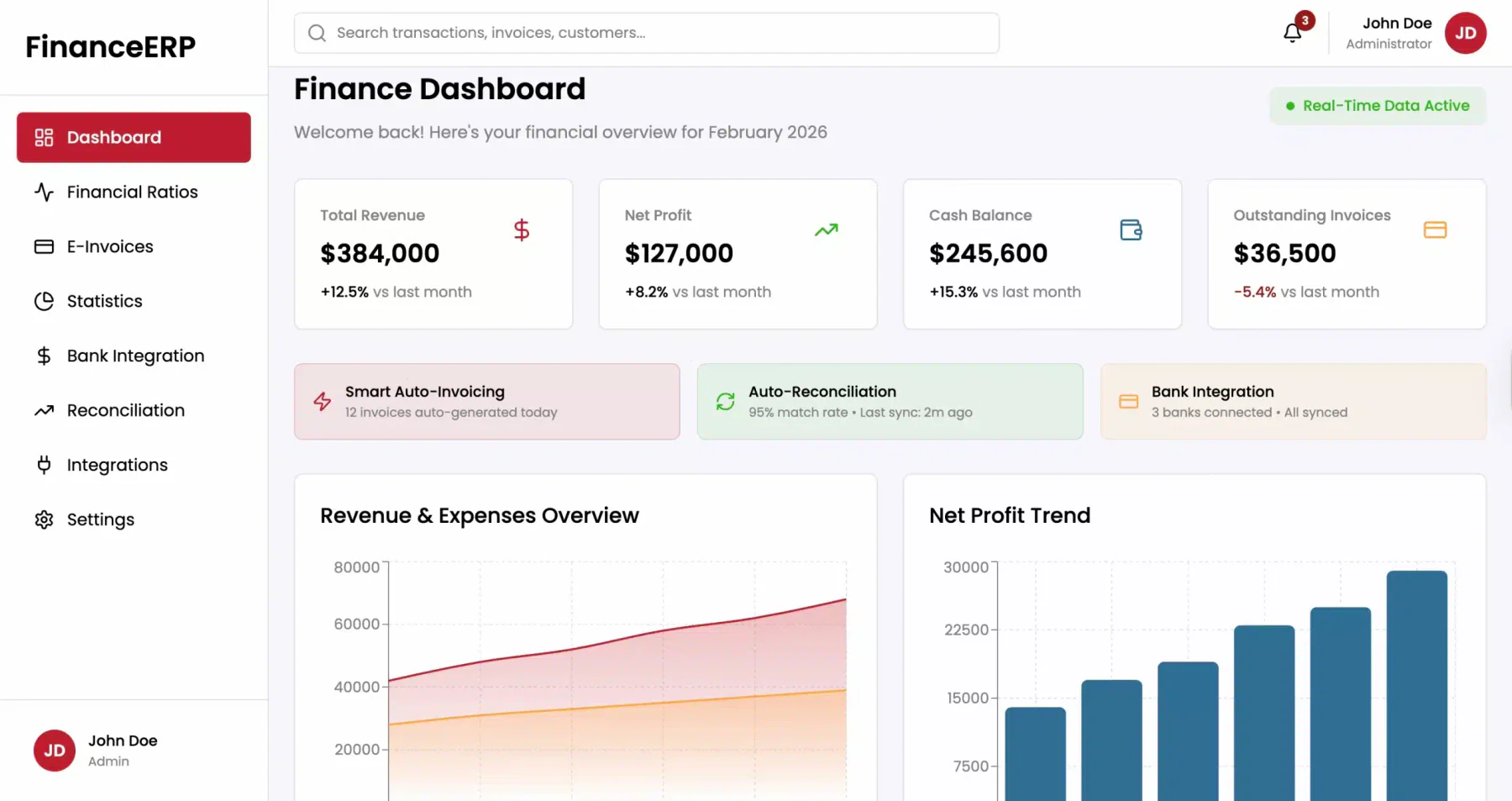
The Finance and Accounting module is one of the most important parts of an ERP system. It automates key financial processes, ensures accurate reporting, and helps businesses stay compliant with regulations. It also collects data from other modules and turns daily activities into clear financial records.
At its core is the General Ledger (GL), supported by features like Accounts Payable (AP) and Accounts Receivable (AR). The module also provides real-time financial reports, tracks assets, and supports multi-currency operations.
2. Human Resources (HR) and Payroll
3. Supply Chain Management (SCM)
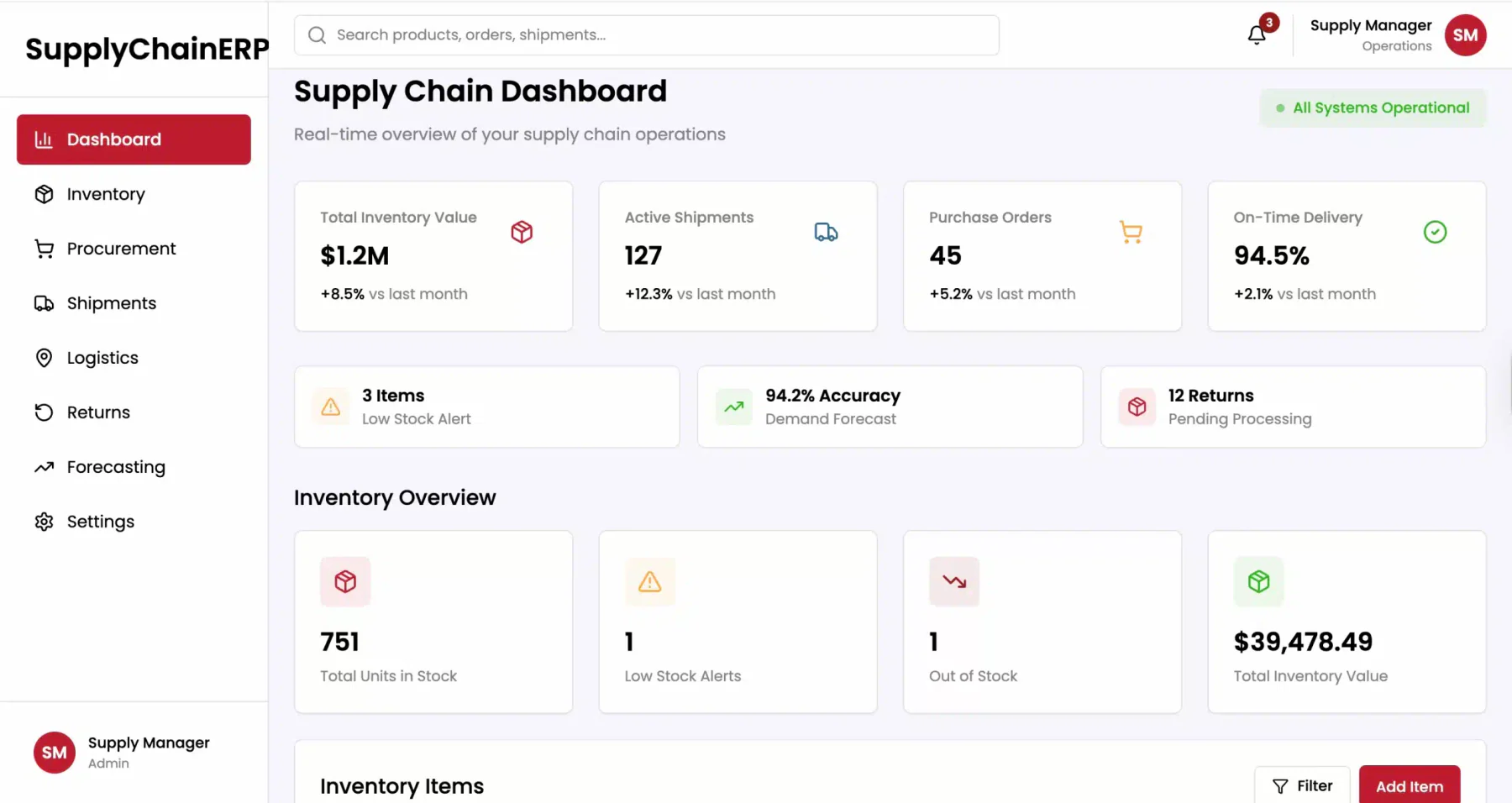
The Supply Chain Management (SCM) module helps businesses manage the flow of goods from suppliers to customers. It improves visibility, reduces costs, and ensures products are delivered efficiently. This makes it essential for handling demand and maintaining smooth operations.
The module supports demand planning, logistics, and supplier management. It helps forecast stock needs, track shipments, and coordinate deliveries in real time. By connecting with finance and sales, it also provides better insight into costs and overall performance.
4. Manufacturing / Production
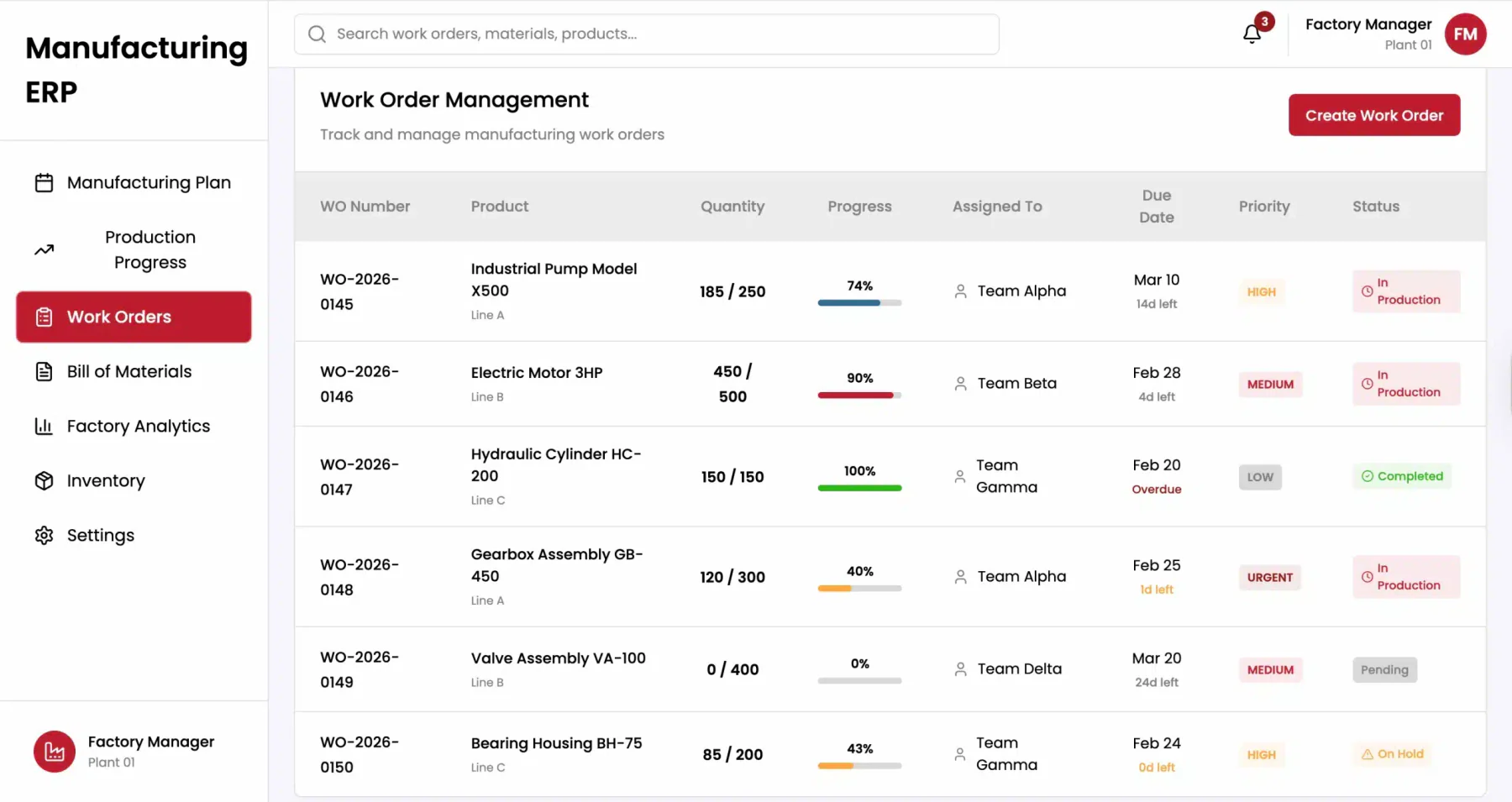
The Manufacturing or Production module helps businesses run production processes efficiently. It ensures resources are used properly and production schedules align with material availability and demand.
It includes features like Material Requirements Planning (MRP) and Bill of Materials (BOM) to manage materials and production needs. The module also tracks shop floor activity in real time, helping managers identify delays and improve efficiency.
5. Customer Relationship Management (CRM)
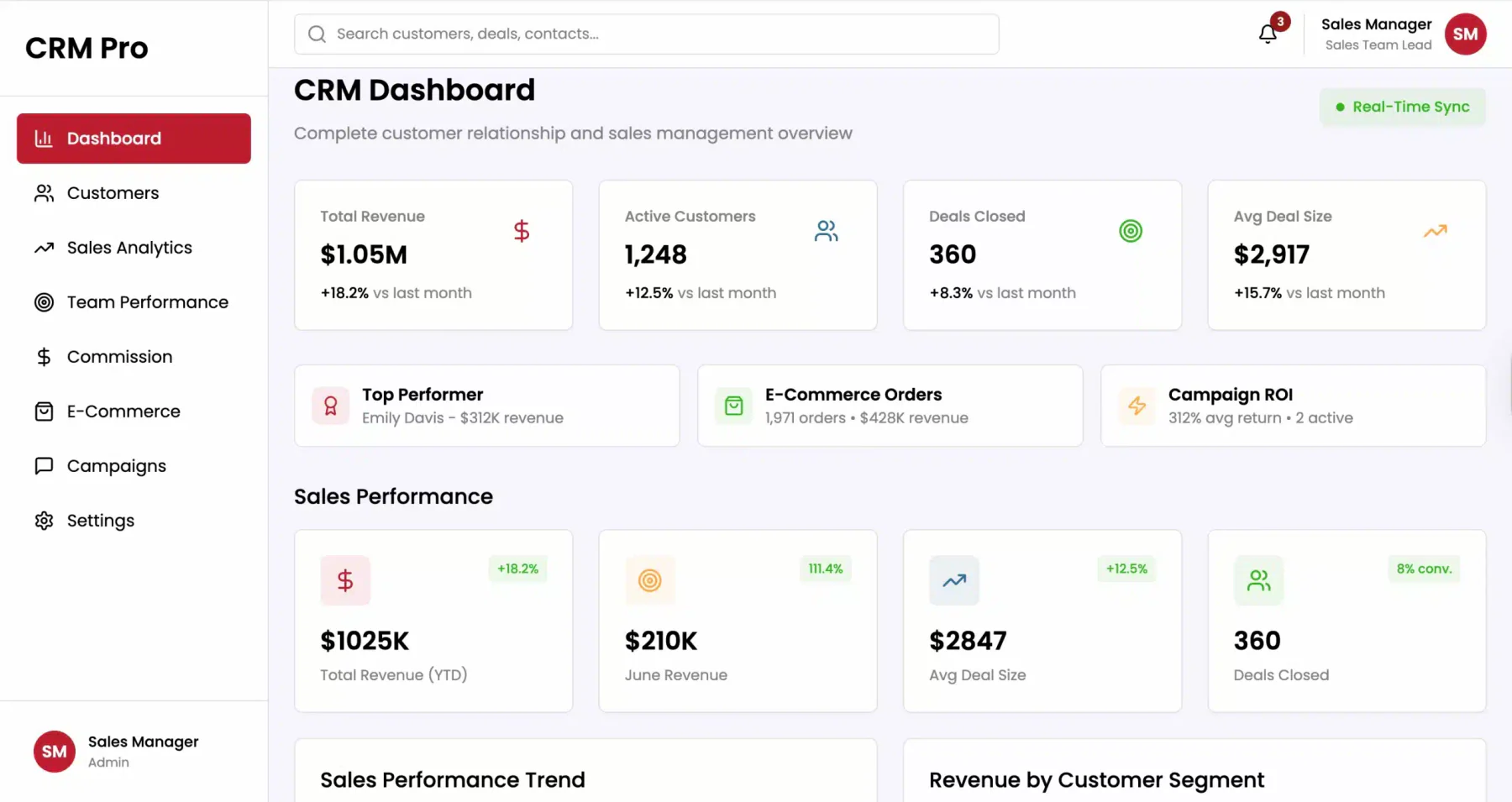
The CRM module focuses on managing customer-facing activities such as sales, marketing, and customer service. It helps businesses understand customers better by connecting sales data with inventory, production, and finance.
It tracks leads, customer interactions, and sales activities from the first inquiry to after-sales support. Sales teams can personalise communication, manage pipelines, and forecast revenue more effectively. At the same time, customer service teams can resolve issues faster by accessing order and payment information in one system.
Extended ERP Modules
1. Inventory and Warehouse Management
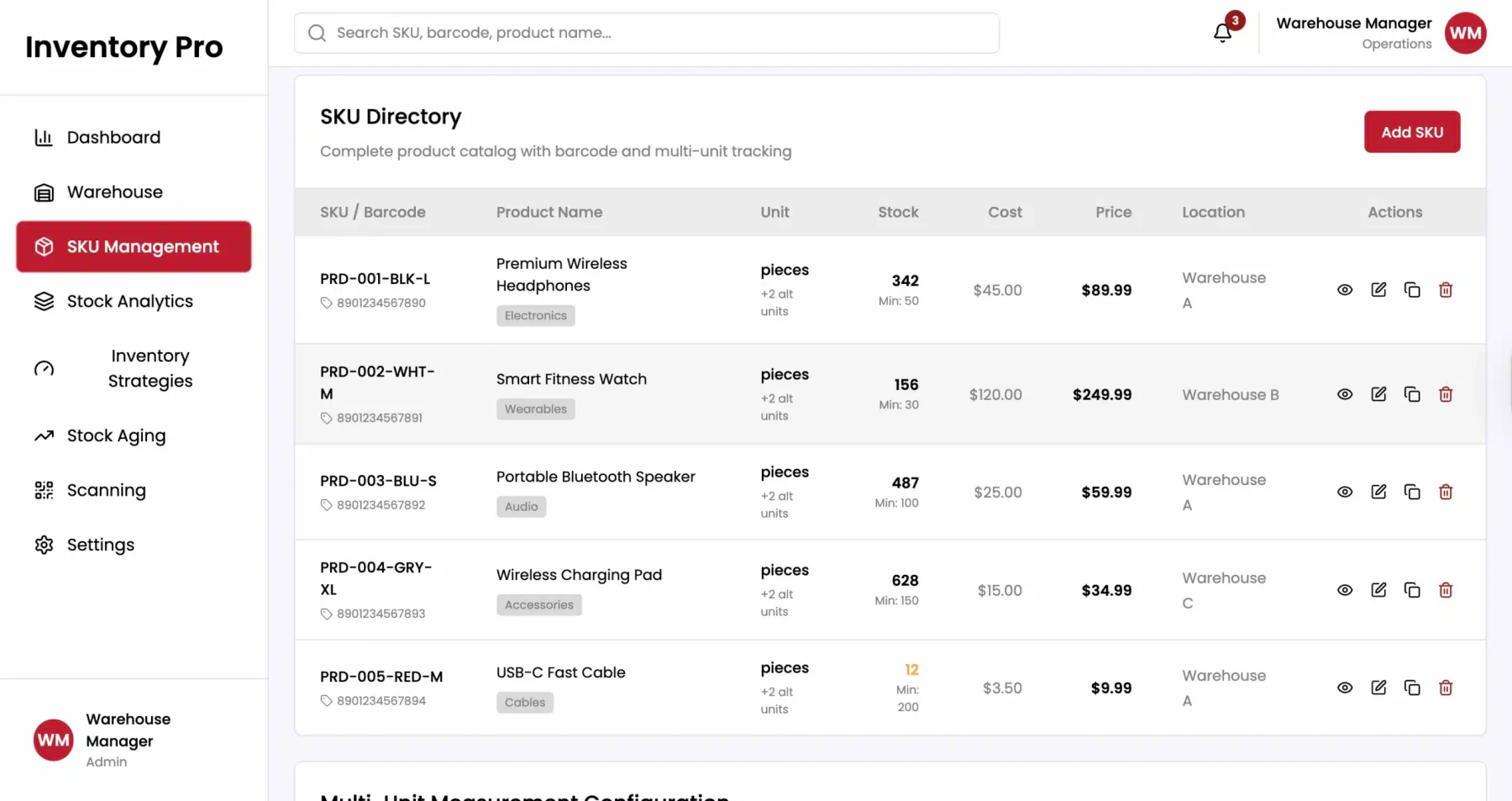
2. Project Management
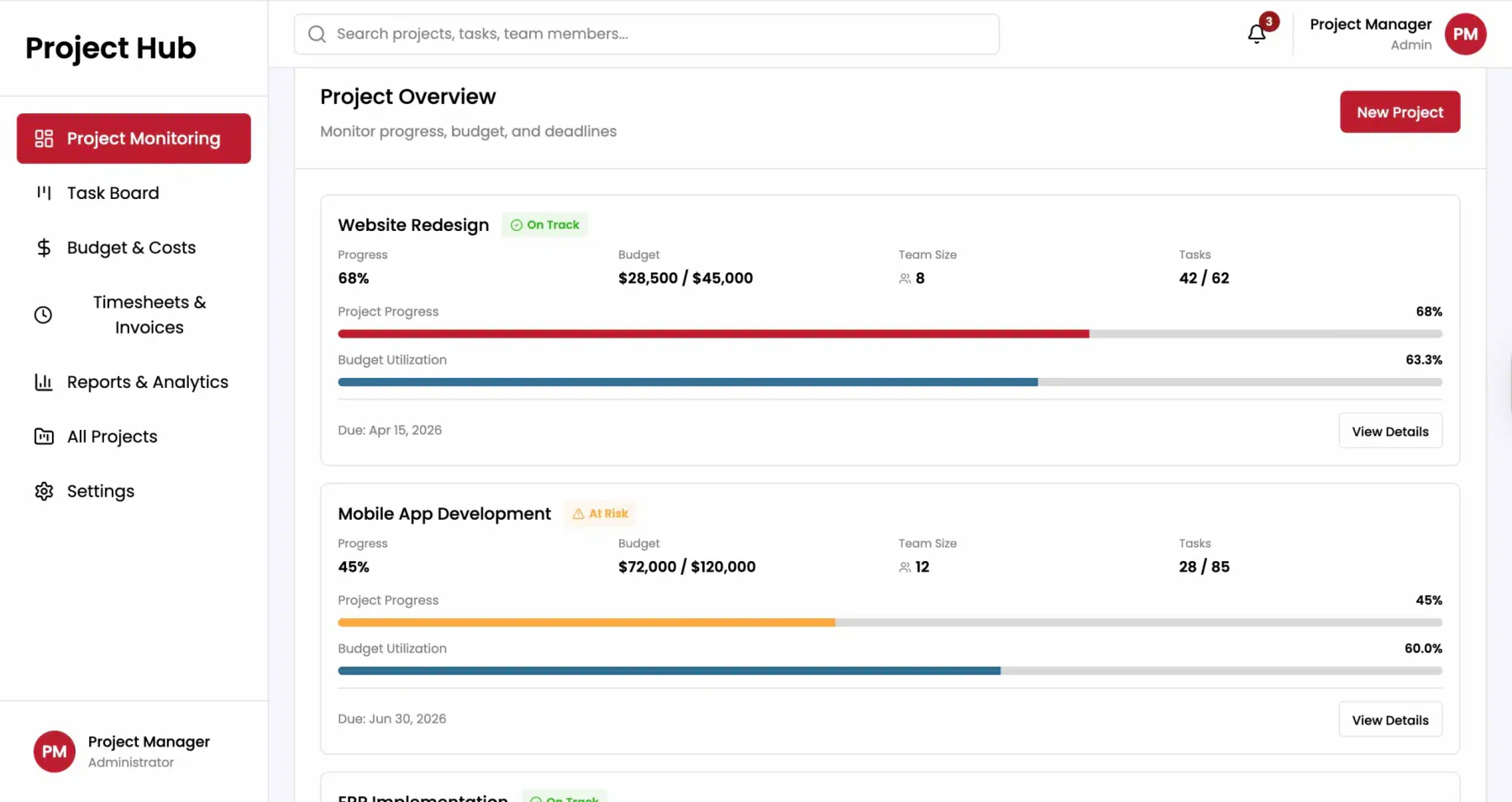
3. Procurement and Purchasing
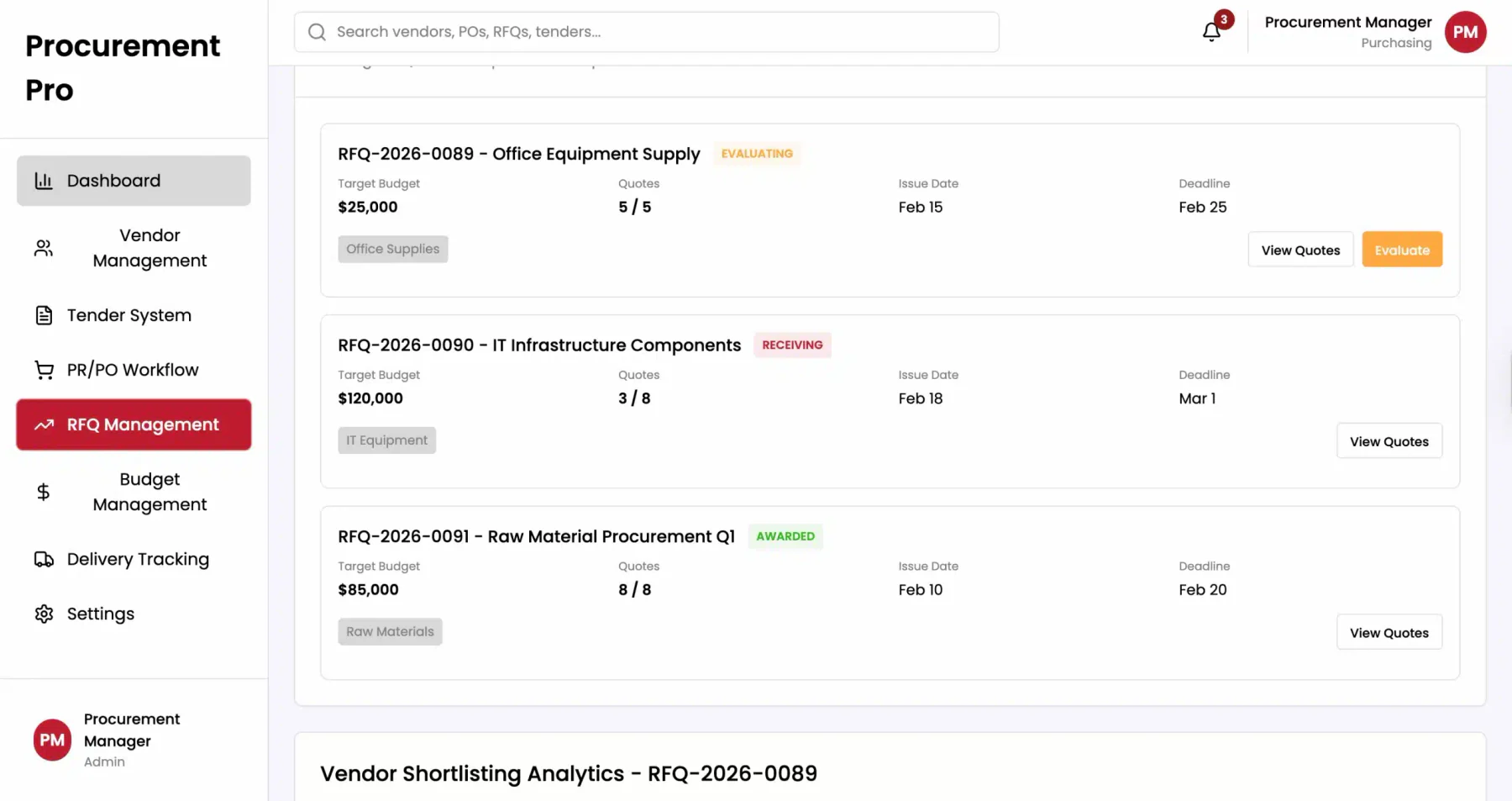
The Procurement and Purchasing module helps businesses manage and automate the buying of goods and services. It covers the full procure-to-pay process, from purchase requests to supplier payments.
It streamlines Purchase Order (PO) creation with automated approvals and centralised purchasing. The module also supports supplier evaluation, RFQs, and RFPs to compare vendor options. This ensures better control over purchasing activities.
4. Asset Management
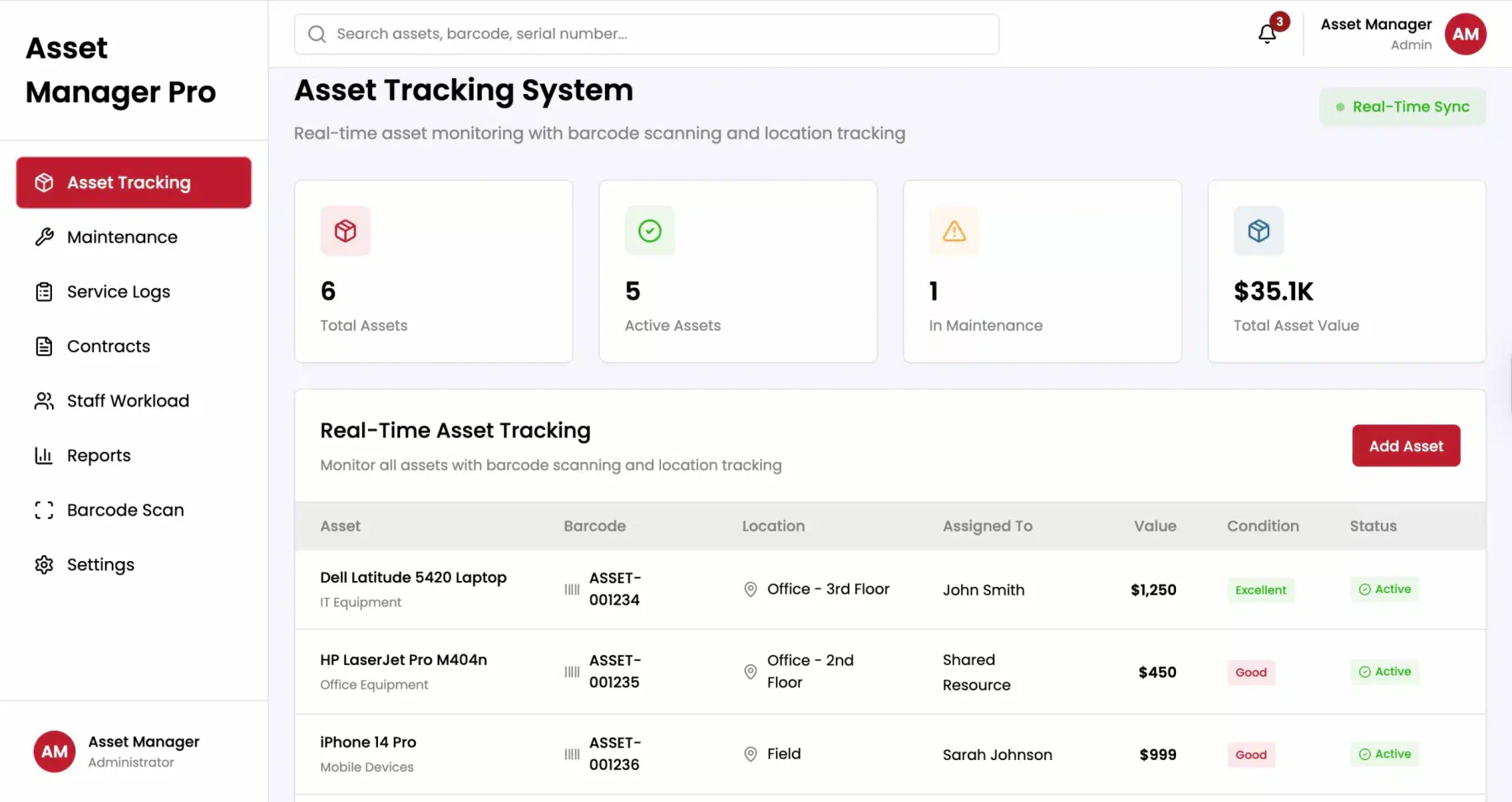
The Enterprise Asset Management (EAM) module helps businesses manage physical assets such as equipment, vehicles, and buildings throughout their lifecycle. It ensures assets run efficiently, last longer, and reduce maintenance costs.
The module supports maintenance scheduling, asset tracking, and financial reporting. It can detect issues early, reduce downtime, and keep records of repairs, warranties, and inspections.
5. Point of Sale (POS)
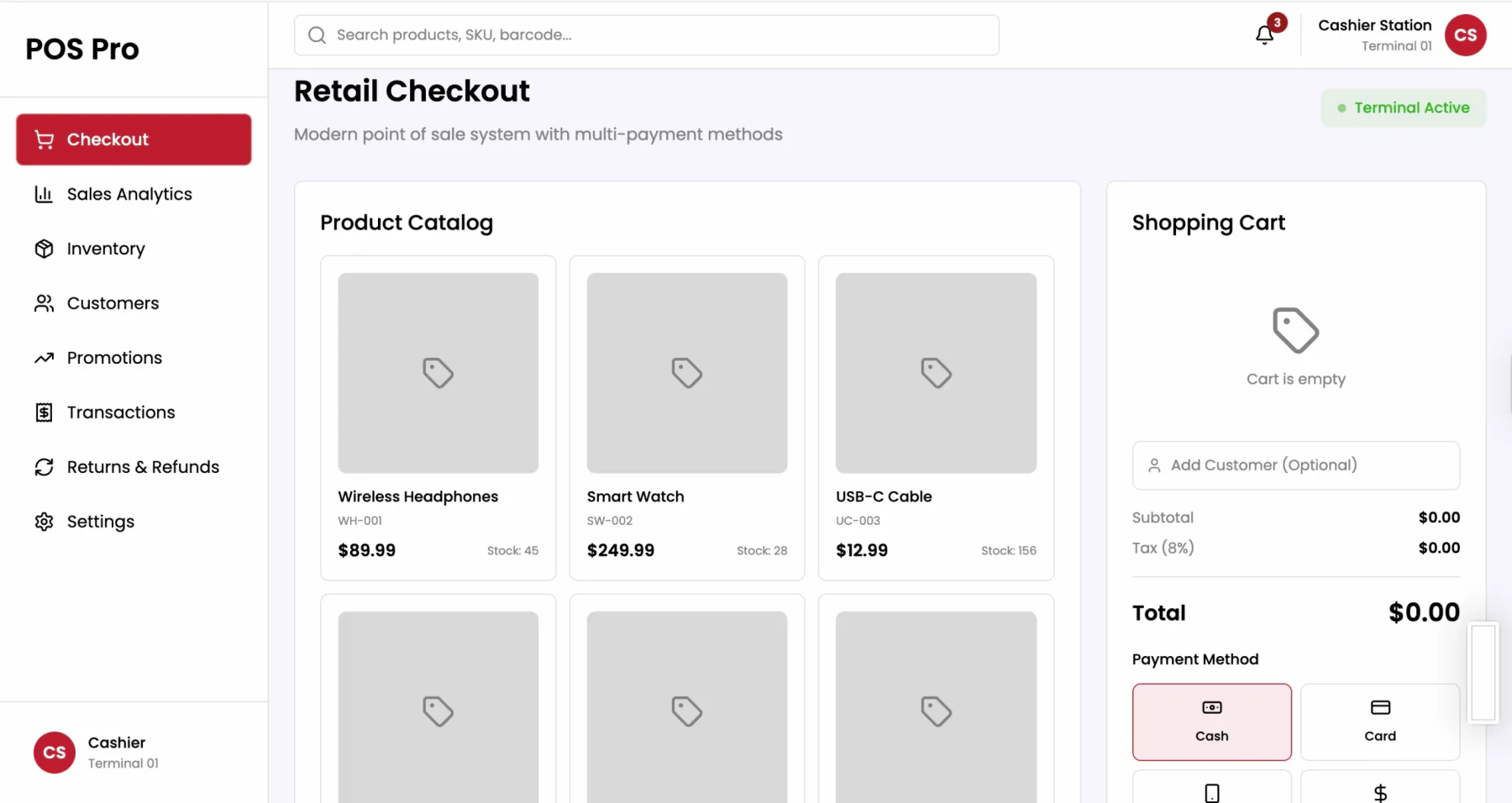
The Point of Sale (POS) module handles customer transactions in retail and hospitality businesses. It manages payments and connects the front-end store with back-office systems, ensuring all sales data is recorded in one platform.
Modern POS systems also support omni-channel retail and integrate with CRM to track customer purchases. Features like “Buy Online, Pick Up In-Store” help improve convenience and customer experience.
How ERP Modules Work Together

An ERP system delivers the most value when its modules work together seamlessly. Instead of operating in silos, each function is connected, allowing data to flow across the business in real time.
1. Connected System
ERP modules work in one platform where data flows automatically between departments. This reduces manual work and improves efficiency.
2. Order-to-Cash Process
Customer orders trigger inventory checks, warehouse fulfilment, and delivery tracking. The finance module then creates invoices and records payments.
3. Procure-to-Pay Process
Material shortages trigger purchase requests and supplier orders. Once goods are received, inventory updates and finance processes payment.
4. Single Source of Truth
All data is shared across the system in real time. This gives businesses accurate insights and better control over operations.
Every company is searching for the most resilient ERP solution in Australia, and should too. Discover this insight with us as we elaborate further on the importance of ERP modules and how you can implement it for your business.
ERP Modules Australian Industries Need Most
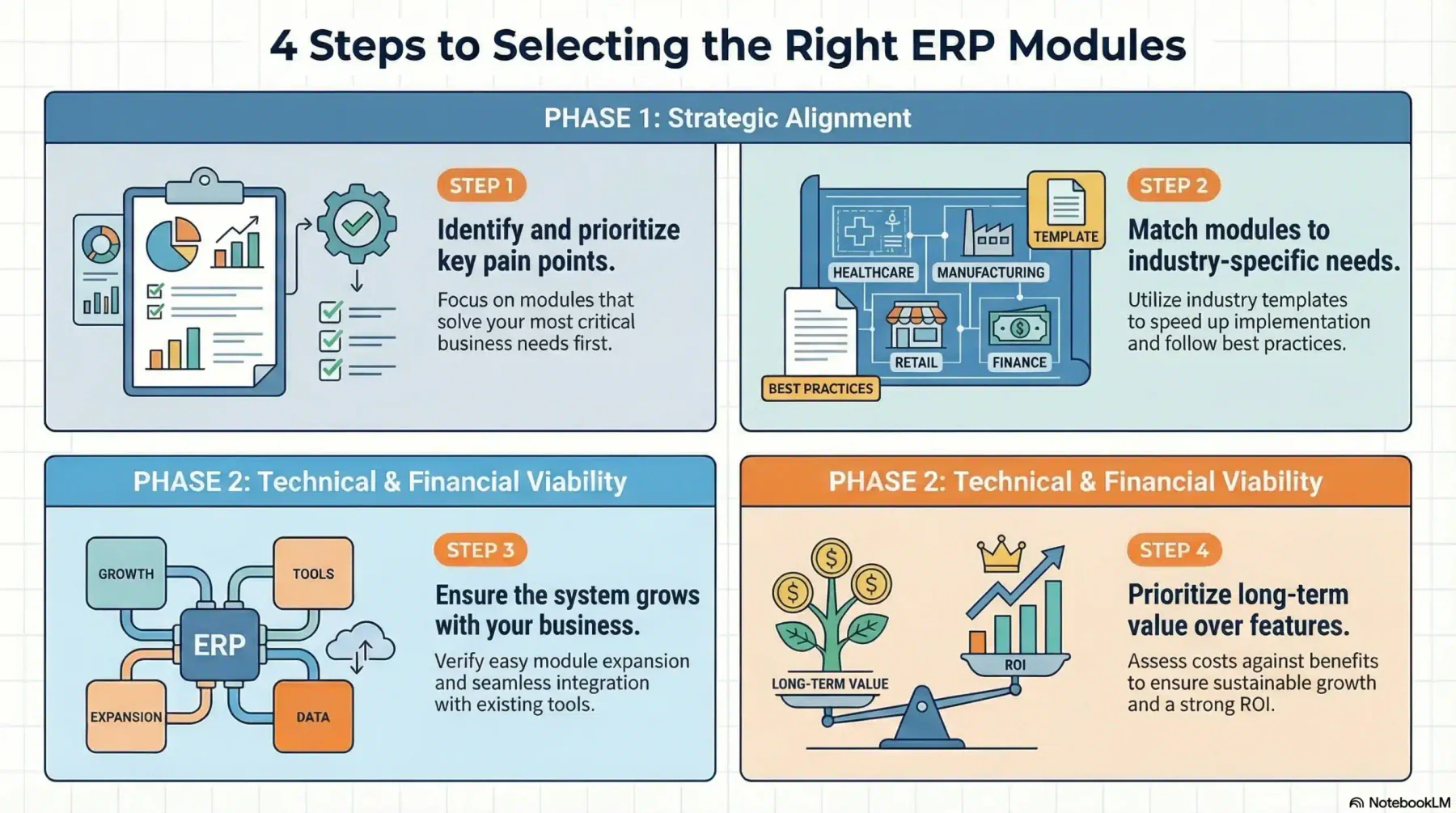
1. Conduct a Needs Assessment
Review your current processes and identify key pain points. Focus on modules that solve your most critical business needs. This ensures your ERP system delivers real value from the start.
2. Consider Industry Requirements
Different industries require different modules. Choose ERP solutions with industry-specific features or templates. This helps speed up implementation and follow best practices.
3. Evaluate Scalability and Integration
Select a system that can grow with your business. Make sure it allows easy module expansion as your needs change. It should also integrate well with your existing tools.
4. Budget and ROI
Assess the cost and benefits of each module. Focus on long-term value rather than just features. A strong ROI helps ensure the system supports sustainable growth.
Conclusion
ERP modules help businesses manage operations in one integrated system. Instead of using separate software, companies can centralise data, automate workflows, and improve visibility across departments. This makes it easier to access accurate information and make faster decisions.
By choosing the right ERP modules, businesses can build a system that fits their needs. Core modules provide a strong foundation, while additional modules offer deeper operational control. As companies grow, they can add modules gradually without disrupting existing processes.
If you are interested in learning more about ERP implementation, you can book free consultation with out expert today. We can guide you through this implementation to maximize the return on this investment, while avoiding all the risks involved.

Frequently Asked Question
The five core ERP modules typically include Finance and Accounting, Human Resources (HR), Customer Relationship Management (CRM), Supply Chain Management (SCM), and Manufacturing/Production. These components cover the fundamental operational needs of most enterprises.
Yes, most modern ERP systems are modular, allowing businesses to implement specific modules individually or in phases. This flexibility enables companies to start with critical functions like Finance and scale up by adding other modules as their needs grow.
ERP modules communicate through a central database. When data is entered into one module, it is instantly updated in the central repository, making it accessible to all other connected modules in real-time, which eliminates data silos and ensures consistency.
While related, SCM (Supply Chain Management) covers the broad flow of goods, including planning, logistics, and distribution. The Procurement module focuses specifically on the transactional aspect of acquiring goods, managing purchase orders, and handling vendor relationships.
The Finance module is considered critical because it tracks the monetary impact of every operation within the company. It provides the General Ledger, manages cash flow, ensures regulatory compliance, and generates the financial reports necessary for strategic decision-making.