




While Singapore lacks coal mines and gemstones, it holds immense potential to become a key hub for the global mining industry. Strategically located at the crossroads of Asia-Pacific’s minerals and metals supply, Singapore is uniquely positioned to support the expansion of mining-related activities in the region.
In recent years, Singapore has also gained recognition as a base for mining-related fundraising. For instance, Australian company Roy Hill secured US$7.2 billion (S$9.47 billion) in Singapore for its iron ore mining project—one of the most significant financings in the mining industry’s history.
HashMicro Mining Software is designed to enhance the operational efficiency of mining companies leveraging Singapore’s strategic advantages. With features that automate project management, resource tracking, and financial reporting, this ERP solution empowers mining businesses to streamline their processes and drive profitability.
Read the following article for more detailed information about mining industries and their types.
Key Takeaways
What are Mining Industries?In the mining industry overview, the main activity is the extraction of precious minerals and other geological resources. The extracted minerals are converted into a mineralized form that offers the prospector or miner a financial benefit. Typical mining sector activities include metals production, metals investment, and metals trading. Based on the significant mining interest, the mining industries are classified into industrial and base metal mining, precious metals and gemstone mining, and nonmetal mining. Also read: Key Benefits of ERP Software for Mining Companies Types of Mining Industry AssetsThe mining industry has the types of mining assets you need to be familiar with. The types of mining that we discuss below are the two main asset categories, namely projects and operating mines. ProjectsIn the mining industry overview, projects can be divided into the exploration and feasibility stage & the planning and construction stage.
Operating MinesAs soon as the operation is ready to commence, an operating mine needs several steps to complete. The process begins with the extraction and refinement of the ore, then they will process them into metal. This part is the primary emphasis of the financial model for a mine in operation. Once it starts, the mine closure process can take a few years to complete.


Key Terms to Know
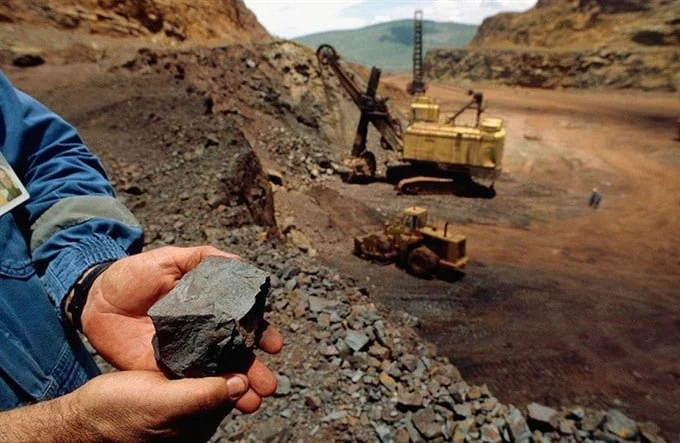
There are numerous processes and components within the mining sector. Therefore, you should be familiar with the following terms to understand this industry better. OreOre is a naturally occurring rock or sediment containing one or more minerals, often metals, that can be extracted, processed, and sold for a profit. Mining is used to take ore from the earth, and process or refine it, typically through smelting, to extract valuable minerals or metals. GradeThe grade of an ore refers to the amount of the desired material it carries. Miners must balance the worth of the metals or minerals contained in a rock against the cost of extraction. They do this to decide if it is of a high enough grade to be mined and is accordingly categorized as an ore. RecoveryIn the oil industry, the extraction rate is the fraction of oil or gas extracted from the earth. It is known as recovery in the mining industry overview, which is the quantity of metal retrieved from ore as a percentage of the actual metal content. Ore grade measures the metal concentration of the ore. The recovery has a significant effect on profitability. In mining, an increase in recovery typically reduces cash costs. This metric is less immediately relevant to investors than cash cost. They don’t report it as regularly, so investors in this industry are unlikely to look at it unless they conduct pretty in-depth research. ProductionProduction is the process of manufacturing any mineral or mineral-bearing substance for immediate sale or storing for future sale. The production phase includes one section of mine operations, which entails managing numerous immediate and long-term activities within and around a mine site to support the production of a mineral product. Five primary operations comprise a mine operation:
PayabilityPayability refers to the proportion that mining companies can sell to a buyer instantly. A payability of 96% indicates that 4% of it cannot companies sell promptly and therefore they must place them in storage (i.e., stockpiles). Payable metal is metal that has passed the payability and mill recovery phases. Cash CostIn mining, cash costs are the site-level production costs per output unit. You will determine the value of the byproducts by subtracting them from the metal’s final cash cost. For instance, if a copper mine generates gold as a byproduct, companies will deduct the value of the gold from the copper’s cash cost. This is the standard accounting treatment for byproducts across the majority of sectors. All-in sustaining costsMining companies utilize an all-in-sustaining cost metric to represent the cost of gold mining in a beneficial format to investors and mining experts. The non-GAAP cash cost was developed by the Gold Institute in 1996 to summarize cost reporting centered on the direct cost of mining and processing ore. In 2013, in collaboration with the World Gold Council, a consortium of mining companies established a more inclusive approach to reporting costs to avoid discouraging investors while providing a more thorough depiction of the ongoing costs of producing gold. Financial Concepts in the Mining Industry
Profit maximization is the ultimate objective of every business. Accordingly, we should discuss the financial principles present in the industry we wish to participate in. RevenueCalculating a company’s revenue is as simple as multiplying the average selling price by the number of units sold. Gross income is the figure from which expenses are reduced to determine net income. On an income statement, you will refer to revenue as sales. In the mining industry overview, revenue is a function of ore (tons) x grade (g/t) x recovery x payability x metal price. RoyaltiesA royalty is a payment provided to an individual or business for the continued use of their properties or assets, such as copyrighted works, franchises, and natural resources. Typically, royalties are subtracted from revenue, and properties frequently charge royalties that are payable during the life of mining assets. An example would be a net smelter return of 2%. Operating costsOperating costs pertain to the administration and maintenance of a firm daily. Direct costs of goods sold (COGS) and other operating costs are included in operating costs. Usually, miners calculate the operating expenses per ton. For instance, $2.50 per metric ton of material moved to the mine. Also read: Accounting Software for the Mining Sector Capital costsCapital costs are one-time, fixed expenditures spent for acquiring land, buildings, construction, and equipment utilized in the production of goods or services. In other words, it is the entire amount that companies require to bring a project to a state of commercially operable status. Capital costs in the mining industry involve stuff like the funds needed to construct the mine and the funds required to buy equipment over time. To manage capital cost-effectively, your company can implement the best ERP software for mining companies that have been integrated with the accounting system. Reclamation costsReclamation costs are all the costs, besides abandonment costs, of putting land back to as close to its original state as possible or to a standard set by the government or regulatory authority. At the end of a mine’s life, you will add up the costs for accounting purposes when reclamation ends. In the cash flow model, you don’t have to worry about when you will add those costs. TaxesTaxes are mandatory contributions to the federal, state, and local governments. When mining businesses operate in multiple nations, taxation can frequently be intricate. Furthermore, there are mining-specific taxes and royalty agreements that you must consider. ConclusionTypical mining sector activities include metals production, metals investment, and metals trading. Singapore is located at the crossroads of Asia and the Asia-Pacific region’s mineral and metal supply. Increasingly, mining corporations are choosing Singapore as a fundraising center. Managing the mining industry manually is undoubtedly time-consuming. For that reason, mining companies need to implement HashMicro’s mining ERP software, which can control the mining processes properly. If you are interested, you can download the mining ERP software pricing scheme, so that you know the estimated costs to be incurred. Fill out the form now and experience the most remarkable improvement in your mining business with the free demo.
HashMicro follows strict editorial standards and uses primary sources such as regulations, industry guidance, and trusted publications to keep content accurate and relevant.    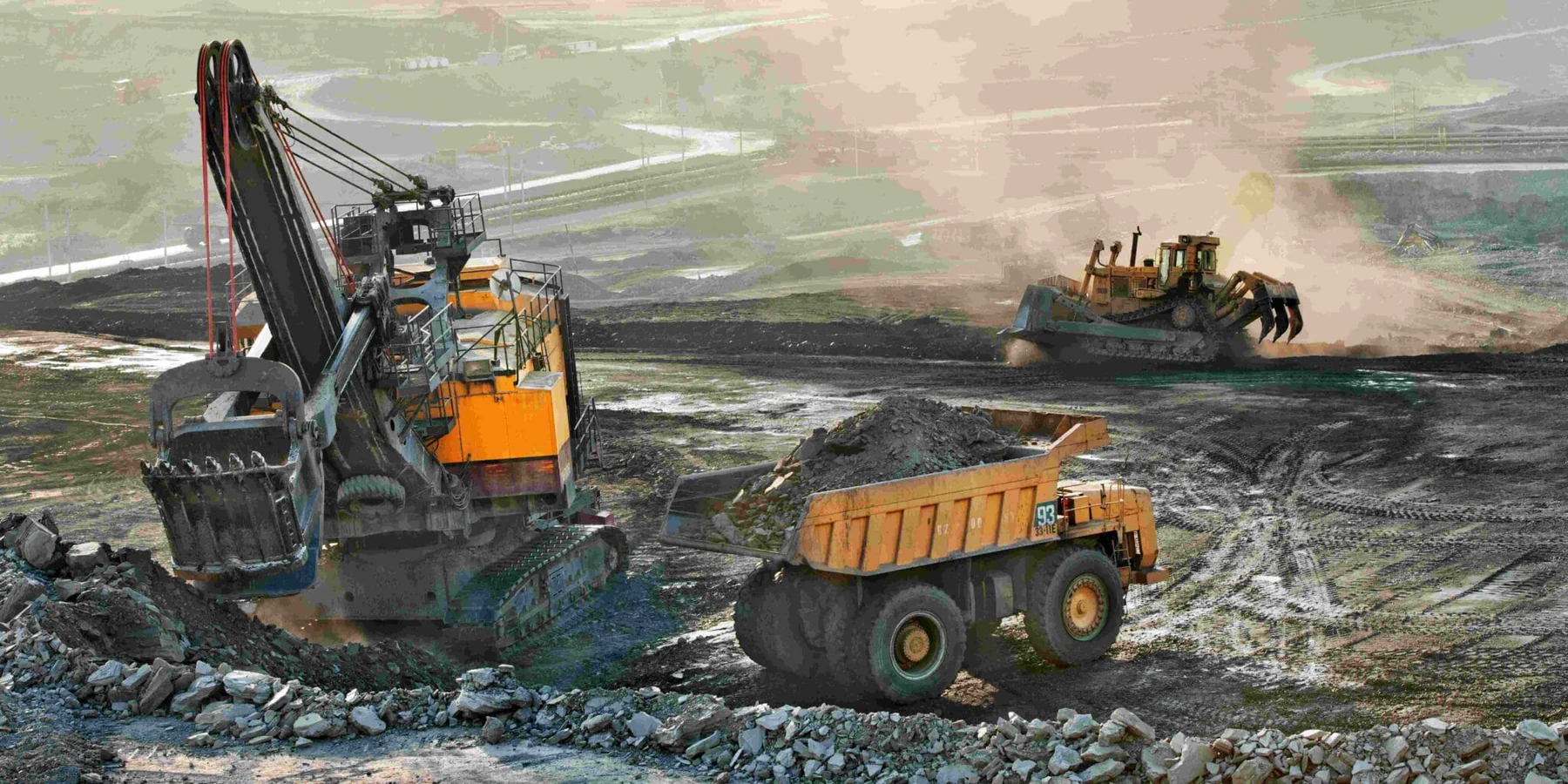 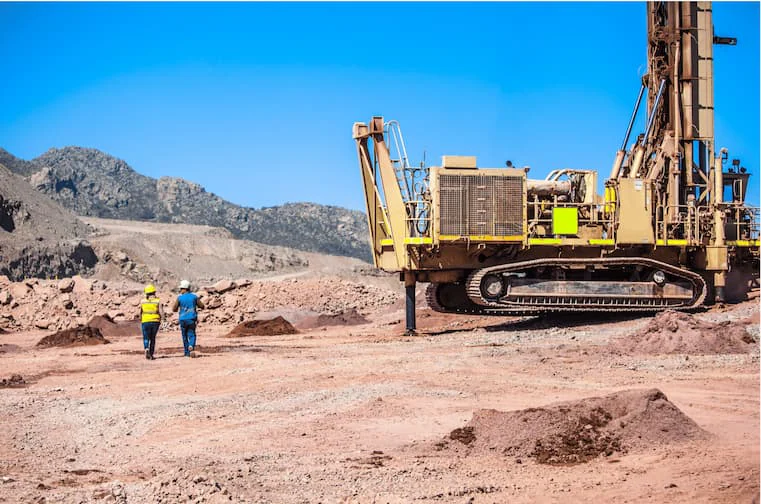   Grace Grace Looking for a Free Demo?
Contact us via WhatsApp and let us know the software you are looking for. 15.13 |