





In Singapore’s fast-paced business environment, efficient warehouse management is essential for staying competitive. With the rise of e-commerce and demand for quick order fulfilment, a reliable Warehouse Management Software (WMS) is a must.
According to research published in the Journal of Logistics and Supply Chain, the WMS has been proven to increase the number of orders received and the company’s operational efficiency. However, choosing the right WMS can be overwhelming, especially with the rise of Software-as-a-Service (SaaS) solutions offering flexibility and affordability.
Looking for an efficient warehouse solution? Try HashMicro Warehouse Management System, trusted by Singaporean businesses for its Reliability. Try our free demo today and see how it can streamline your operations!
Key Takeaways
Shortlisted Warehouse Management SystemsAfter careful research, I’ve rounded up some of the most reliable warehouse management systems that help businesses gain tighter inventory control, speed up order processing, and keep supply chains running smoothly. With advanced automation, real-time tracking, and precise reporting, these solutions play a key role in cutting operational costs, boosting warehouse productivity, and ensuring customers receive their orders without delays.
Best Because Integrates seamlessly with ERP
Best Because Delivers flexible, real-time control What is Warehouse Management Software?Warehouse management software (WMS) is a digital system designed to automate and streamline all warehouse operations, from inventory tracking to order fulfillment. In the fast-paced world of modern business, warehouse management software (WMS) is a critical tool that enables seamless, automated, and efficient warehouse asset care. The best warehouse management system solutions offer advanced features, including real-time inventory tracking and barcode scanning. They are increasingly adopting Software-as-a-Service (SaaS) solutions for enhanced accessibility and cost-effectiveness.

What is the SaaS WMS software? Best Warehouse Management System in Singapore for 2026One of the most frequently asked questions is, “Which company has the best warehouse management system?” Several market leaders dominate the industry, each offering unique features and functionalities. These vendor companies have a proven track record and a wide range of solutions designed to meet the needs of various businesses in Singapore, from large enterprises to small and medium-sized enterprises (SMEs). Many of these systems integrate barcode tracking software to enhance efficiency further. This allows businesses to track inventory more accurately and reduce human errors in warehouse operations. 1. HashMicro
HashMicro’s Best Warehouse Management System is highly regarded for its robust functionality and seamless integration capabilities. It caters to 1750+ clients in diverse industries, such as the Bank of China, Forbes Asia, and Singapore’s Ministry of Education. With an intuitive interface and powerful features, it efficiently optimizes warehouse operations. The system is designed to enhance warehouse space utilization by automating calculations and streamlining warehouse shelving layout. There are also features for inventory management optimization. With them, you can track inventory levels and generate detailed reports automatically. You can opt for a free demo here before investing in HashMicro’s system solutions. Features and Advantages:
For the pricing scheme of HashMicro’s Warehouse Management System, click the image below!


2. Logiwa
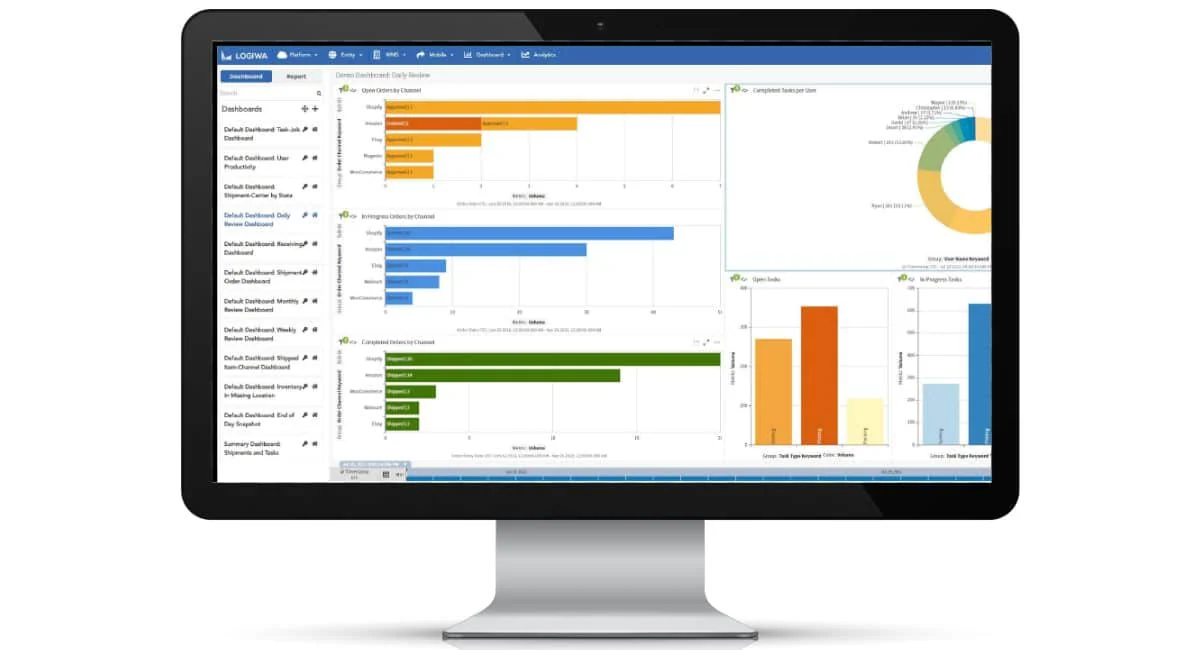
Logiwa Warehouse Management System (WMS) is a comprehensive software platform designed to optimize warehouse operations. It provides real-time inventory visibility and control. Tailored for warehouses of various sizes, Logiwa WMS has a user-friendly interface, configurability, and seamless integration with e-commerce, shipping, and other solutions. It facilitates onboarding, automates key processes, and offers scalability to adapt to changing business needs. Features and Advantages:
3. ShipHero
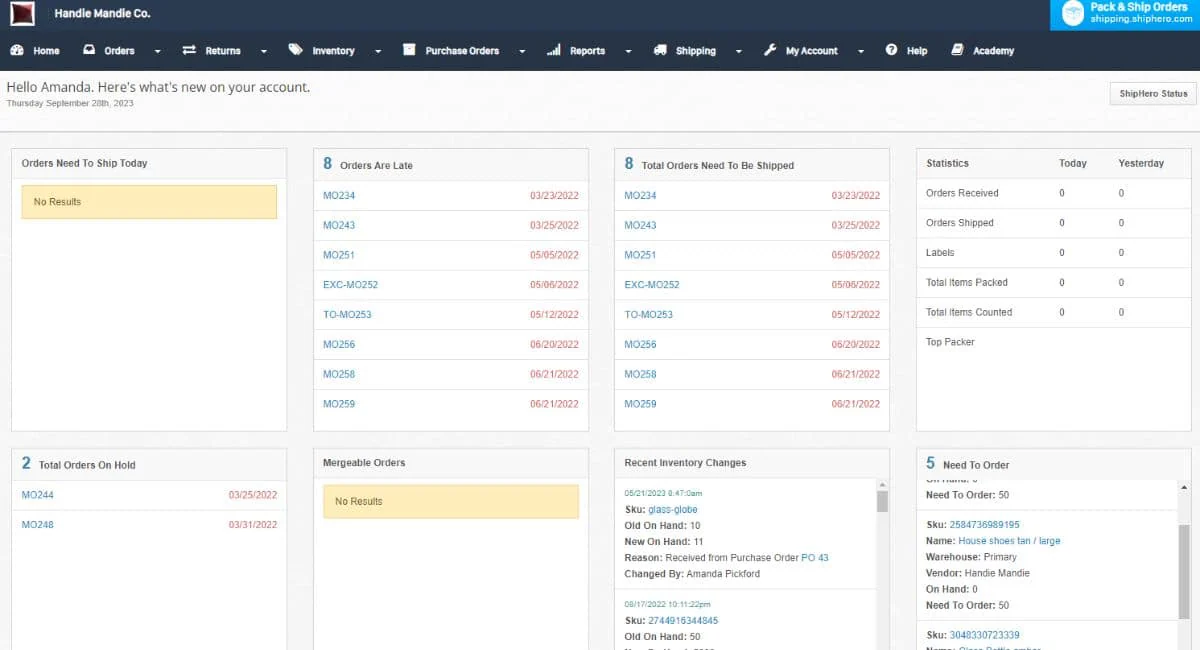
ShipHero is one of the best Warehouse Management System(WMS) designed to cater to the needs of e-commerce and retail businesses seeking efficient shipping processes and enhanced inventory management. This software facilitates seamless integration, allowing enterprises to streamline their operations. Its primary focus lies in optimizing tasks such as picking, packing, and shipping, providing tools like a picking plan to increase the efficiency of these processes. Features and Advantages:
4. Netsuite WMS
Implementing NetSuite WMS eliminates outdated pen-and-paper warehouse management practices, ushering in a more contemporary approach to enhance productivity, cost savings, and overall customer service. This automated warehouse handling solution ensures that inventory information and status changes are promptly updated across all integrated warehouse systems, creating a cohesive, synchronized environment. Features and Advantages:
5. Oracle Fusion Cloud Warehouse Management
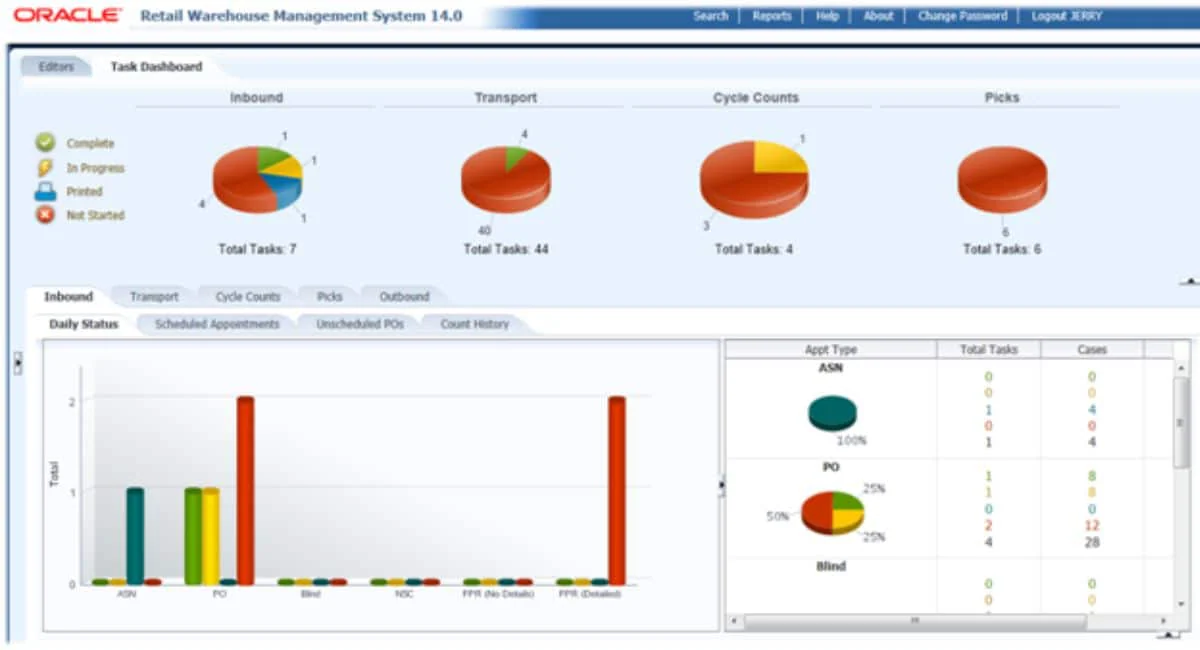
Oracle Fusion Cloud Warehouse Management is a comprehensive software solution that enables users to centralize control and connectivity across warehouse operations. By doing so, businesses gain complete visibility into their warehouse processes, enhancing overall efficiency and management. Embracing Oracle Fusion Cloud Warehouse Management has advantages and drawbacks. On the positive side, the software excels in providing omnichannel fulfillment support, optimizing inventory operations, and facilitating integration and automation. However, a potential downside lies in the website’s lack of transparent pricing, requiring prospective users to engage with sales for customized information. Features and Advantages:
6. SAP Extended Warehouse Management
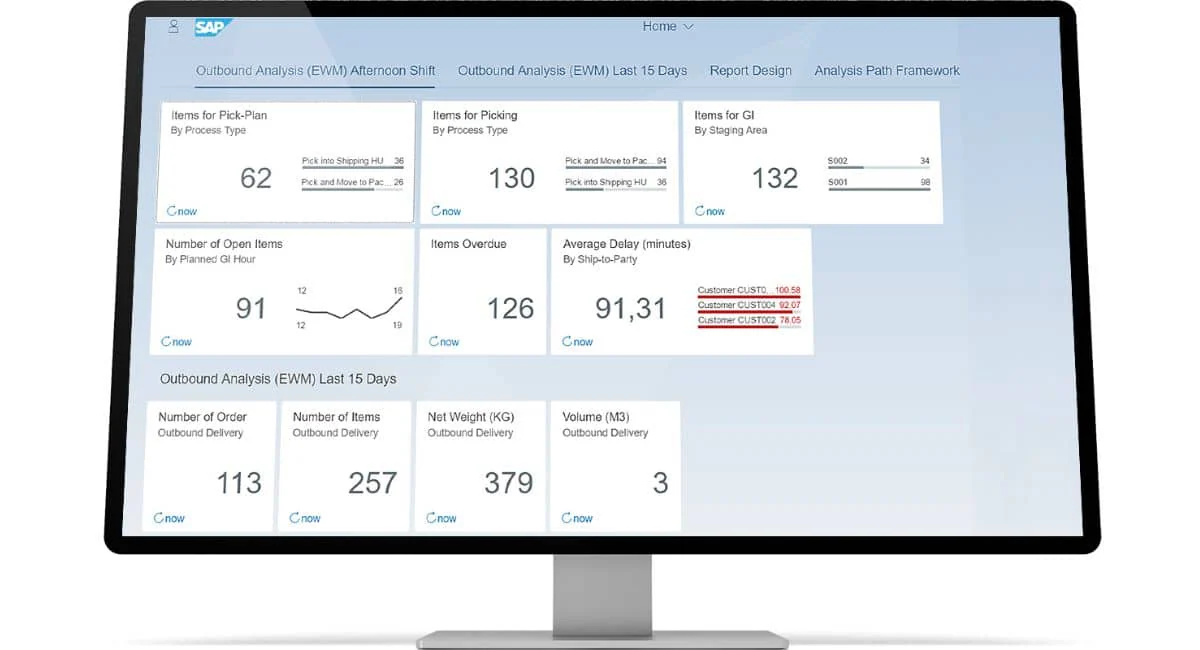
SAP Extended Warehouse Management (SAP EWM) is a comprehensive software solution designed for businesses seeking to scale their warehouse operations and efficiently accommodate increased order volumes. The software offers the flexibility of both on-premise and cloud deployment, providing automation control, supply chain management, and effective oversight of storage and internal processes. Features and Advantages:
What are the Advantages of a Warehouse Management System?
Warehouse management software has revolutionized the way warehouses operate. These systems offer numerous benefits that cater to the intricate demands of modern warehousing, such as:
For more details about warehouse management software and its features and benefits, read here! What to Look For in Warehouse Management SoftwareSelecting the right WMS is crucial for warehouse optimization. When scouting for warehouse management software, consider the following aspects:
ConclusionWarehouse management continues to evolve, making the right Warehouse Management Software essential for staying competitive. Every WMS brings unique strengths, from HashMicro’s versatile platform to Logiwa’s e-commerce-driven capabilities. HashMicro’s Warehouse Management Software offers real-time visibility, automated workflows, and precise stock control to support growing operational demands. Its unified system helps businesses reduce errors, speed up fulfillment, and maintain consistent accuracy across all warehouse activities. Selecting the right WMS means choosing a solution that aligns with your goals, integrates smoothly, and scales with growth. Explore how HashMicro’s Warehouse Management Software elevates productivity. Try the free demo today!
Frequently Asked Questions About Warehouse Management SoftwareWhat is the primary function of Warehouse Management Software?WMS primarily helps in optimizing the various operations within a warehouse, including inventory tracking, order processing, and resource management. Can WMS integrate with other business systems?Yes, most modern WMS solutions offer robust integration capabilities with various business systems, such as ERP, SCM, and CRM. Is Warehouse Management Software suitable for small businesses?Absolutely. Many WMS solutions are scalable and can be tailored to the needs of small businesses, offering them the efficiency and accuracy needed for growth. What are the cost implications of implementing a WMS?The cost varies based on the scale of operations and the specific features required. However, the long-term benefits often outweigh the initial investment through increased efficiency and reduced errors. Is cloud-based WMS more advantageous than on-premise solutions?Cloud-based WMS offers advantages like flexibility, scalability, and lower upfront costs, making it a preferable option for many businesses.
William has developed more than 8 years of experience in Enterprise Resource Planning (ERP), particularly in integrating systems that connect various business functions. He focuses on ERP implementations that enhance productivity and streamline company business processes. His expertise is not limited to system implementation, but also includes business requirements analysis, module optimization, and the development of data-driven strategies. HashMicro follows strict editorial standards and uses primary sources such as regulations, industry guidance, and trusted publications to keep content accurate and relevant.        Grace Grace Looking for a Free Demo?
Contact us via WhatsApp and let us know the software you are looking for. 12.17 |






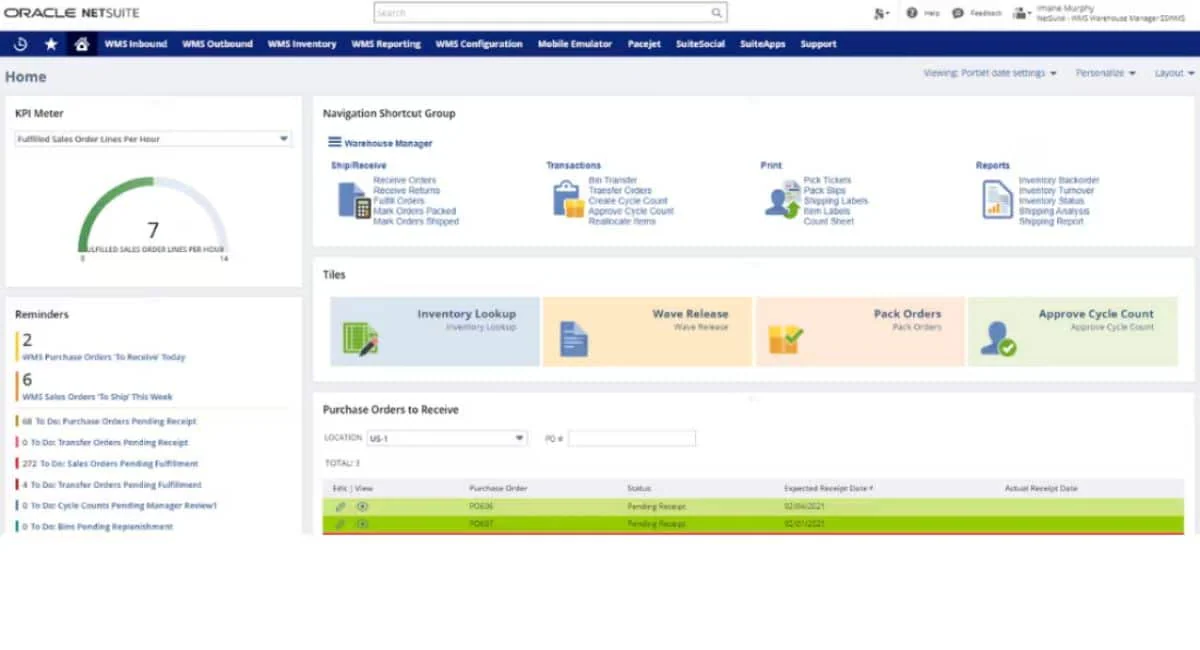 NetSuite WMS, or Warehouse Management System, is a software solution designed to address and resolve various challenges encountered in warehouse operations. This system utilizes modern tools to enhance efficiency, automate processes, and provide real-time visibility into inventory management.