





Are parts of your company’s capital sitting idle? If you’re uncertain about where some resources are going or why they don’t impact daily operations, you may be overlooking non operating assets, a hidden area that can quietly affect your bottom line.
Deloitte’s Asia-Pacific and Southeast Asia Report (2024) highlights that non-operational and non-core assets are a substantial regional strategic and financial burden. These assets (e.g., idle property, surplus cash, and obsolete equipment) impact cash flow, flexibility, and long-term profitability.
Although these assets are not actively used, they remain on your balance sheet. If unmanaged, they can reduce asset efficiency, increase maintenance costs, and limit liquidity. Over time, they may mislead internal performance metrics and complicate investment decisions.
To help you make the most of every asset, this article will guide you through a clear understanding of non-operating assets, how they differ from operating assets, and how the right asset management software can help you monitor and optimize them effectively.
Key Takeaways
Definition of Non-operating AssetsNon-operating assets are resources not vital to daily business functions, but that hold value or passive income for the business. They include unused land, idle machinery, excess cash, or securities. While not essential for operations, they often serve as financial buffers or investments. Common examples include underutilized cash that sits in reserves, unoccupied properties, or equipment no longer needed in current workflows. Businesses often reassess these assets during audits or restructuring phases to determine their relevance and profitability. To manage these efficiently, companies implement an asset management system that provides visibility into all assets (whether operational or idle), enabling smarter decisions about retention, disposal, or reallocation based on their financial impact. Key Characteristics of Non-operating Assets
To understand how non-operating assets impact a company’s financial flexibility, it’s important to examine the key traits that distinguish them from core operational assets. While these assets don’t contribute to routine activities, they can play a valuable role in the broader financial strategy of a business.
Examples of Non-Operating AssetsNon-operating assets can take various forms depending on the business context. Although they do not support daily operations directly, they often represent hidden value that companies can leverage strategically when needed. Vacant landIn some cases, companies retain land for future use or expansion. Although not generating revenue now, this land may appreciate in value. When capital is needed, it can be sold or repurposed to support business growth or streamline asset portfolios. Idle equipmentFrequently, businesses keep equipment that is no longer in use. This machinery might be outdated or tied to discontinued projects. However, it still holds resale or rental value, especially when assessed and managed as part of a broader asset strategy. Excess cash and marketable securitiesExcess cash, beyond operational needs, is invested in short-term, low-risk instruments like treasury bills or government securities. Companies use asset management software to track unused assets, including idle machinery and surplus cash, centralizing data and simplifying decisions. Loans receivableFunds loaned to third parties or subsidiaries, which are not part of the business’s core activity, are also considered non-operating. While they may not generate daily revenue, they can still affect the company’s liquidity and financial positioning. Because these assets are not involved in everyday operations, managing them with clarity allows companies to stay agile, whether by reallocating them or converting them into liquid capital. Many businesses are turning to smarter tools to simplify this process and boost visibility. If you’re considering a better way to manage non-operating assets, explore the pricing options for HashMicro’s asset management software by clicking the banner below. Eligible Singaporean companies may also enjoy up to 70% cost support through the CTC Grant.
Importance of Non-Operating Assets
Although non-operating assets do not contribute directly to daily operations, their value plays an important role in financial assessments. These assets are typically appraised separately and then added to operating assets to calculate the company’s total net asset value. In financial modeling, especially when applying the Net Asset Value (NAV) method, some analysts may choose to exclude non-operating assets if the goal is to evaluate the business as a going concern. This approach focuses primarily on assets that drive operational cash flow and sustainable earnings. By identifying and valuing these assets accurately, companies can present a more comprehensive financial picture. This clarity supports better decision-making during mergers, acquisitions, or capital restructuring. How HashMicro Helps You Turn Idle Assets into Strategic Business Value
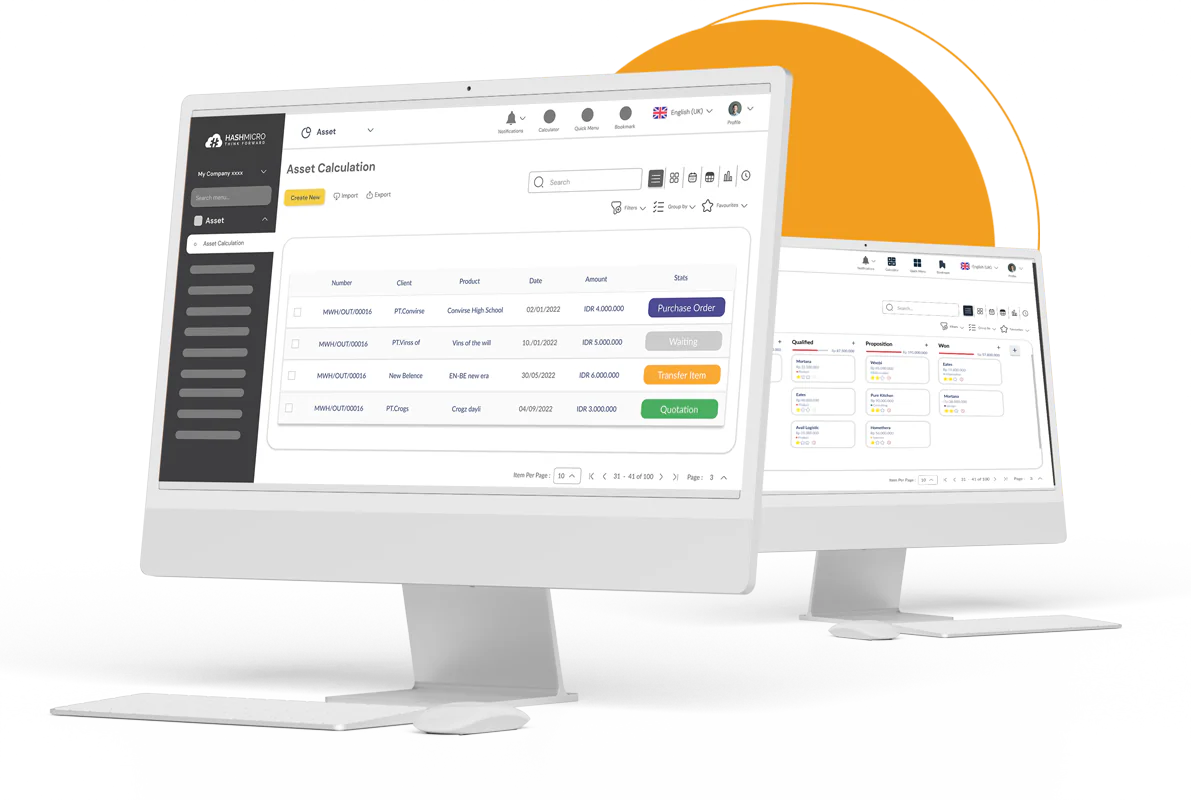
Managing non-operating assets requires more than occasional tracking. Without automation and accurate reporting, unused assets drain resources or are underutilized. HashMicro’s Asset Management Software provides a smarter way to organize, monitor, and maximize value from assets while maintaining efficiency and compliance. This all-in-one solution supports real-time asset visibility, accurate depreciation tracking, and proactive maintenance planning. Integrated with accounting and inventory systems, it helps reduce manual errors, improves forecasting accuracy, and ensures that both idle and operational assets are accounted for with clarity. Trusted by various industries, including renowned names like Forbes, Danone, and Abbott, HashMicro shows their robust and reliable solutions. This trust is built on its ability to deliver tailored systems that meet diverse business needs and ensure operational excellence. Key features include:
ConclusionEffectively managing non-operating assets helps companies unlock hidden value and improve financial clarity. These assets, while not part of daily operations, can support long-term growth when strategically tracked, assessed, and optimized for liquidity or returns. By using a dedicated solution like HashMicro’s asset management software, businesses can enhance visibility, schedule preventive maintenance, and ensure accurate depreciation tracking. Its automation tools and real-time reports help reduce manual errors and support smarter decision-making. If you’re looking to manage assets more efficiently, reduce risk, and improve return on investment, explore how HashMicro’s system fits your business. Book a free demo today and discover how it can streamline your asset management workflows with ease.
FAQ about Non-operating AssetsWhy is cash considered a non-operating asset in some cases?
|