





Efficient logistics and shipping are tricky to handle without a reliable transportation management software (TMS). Many companies face late deliveries, rising freight costs, and limited supply chain visibility issues that hurt both efficiency and customer trust.
The demand for more innovative solutions keeps growing. In fact, the global TMS market was worth USD 15.88 billion in 2024 and is expected to soar to USD 41.57 billion by 2030, showing how crucial this software has become for modern businesses.
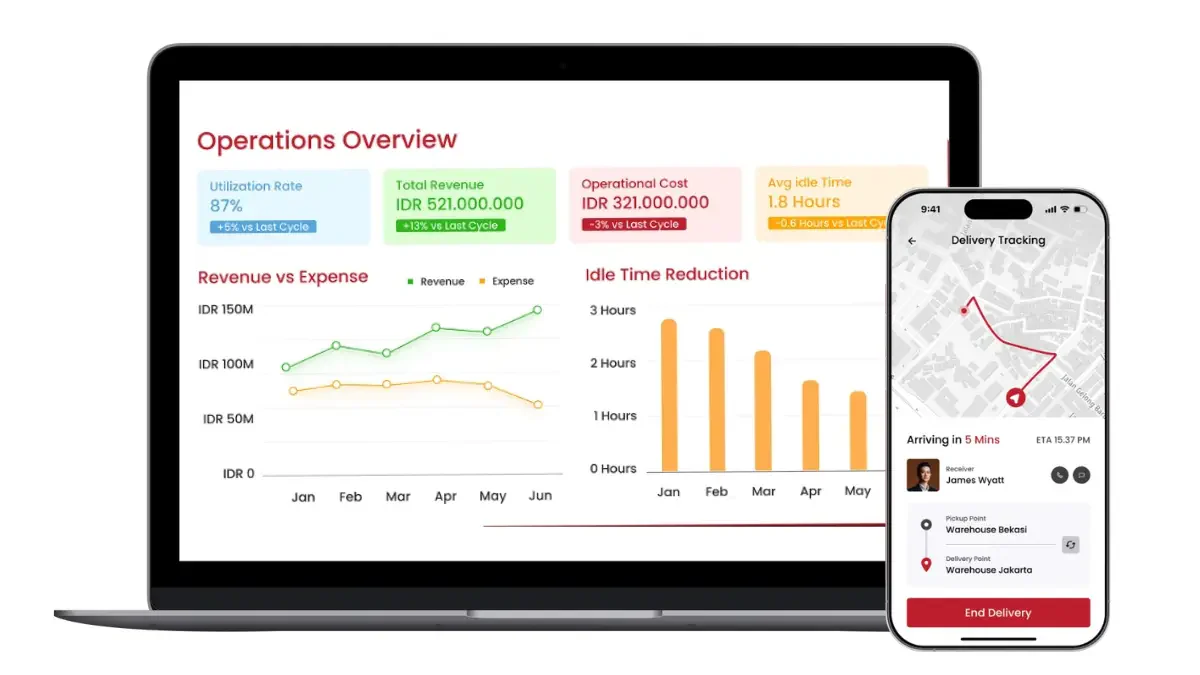
Among the many options available, HashMicro TMS stands out with its automation features, real-time tracking, and seamless integration with other systems. It helps businesses cut manual work, lower costs, and gain complete control of logistics operations.
In this article, we’ve rounded up the 9 best transportation management software systems for 2026 to help you compare features and choose the right solution.
Key Takeaways
What is a Transportation Management Software?A transportation management system (TMS) is a digital platform that helps businesses plan, execute, and monitor the movement of goods. It works by streamlining logistics processes such as route planning, carrier selection, and shipment tracking to improve efficiency and reduce costs. Beyond basic scheduling, TMS provides deeper visibility into the entire supply chain, allowing businesses to analyze shipping performance, manage freight bills, and optimize delivery routes. By automating manual tasks and centralizing logistics data in a transportation service management system, companies can minimize delays, cut expenses, and make smarter decisions in real time. Key Features of Transportation Management SoftwareA transportation management system goes beyond just tracking shipments. The core elements of TMS are designed to simplify logistics operations, enhance visibility, and reduce costs. Here are some of the most essential components:
These elements make TMS a vital tool for businesses that need to handle complex logistics efficiently while keeping costs under control. 9 Best Transportation Management Software Reviews in 2026With many solutions on the market, selecting the right transportation management software can be challenging. To guide your decision, we’ve reviewed nine of the best transportation management system platforms in 2026, outlining their main features along with pros and cons: 1. HashMicro TMS
HashMicro TMS is a transportation management system designed to automate and simplify logistics workflows. It offers real-time tracking, intelligent route planning, and smooth integration with other business systems, making operations more efficient. The platform stands out for its scalability and end-to-end visibility. By seamlessly integrating with ERP, warehouse, and accounting modules, HashMicro TMS enables businesses to reduce costs, avoid delays, and ensure consistent customer satisfaction. Trusted by more than 2,000 clients across various industries, HashMicro TMS has proven its reliability in supporting complex logistics operations. Get started today with a free demo to see how it can transform your transportation management. Key Features:
Interested in how much HashMicro TMS will cost for your business? Check out the pricing plans below to see which package best fits your logistics needs.
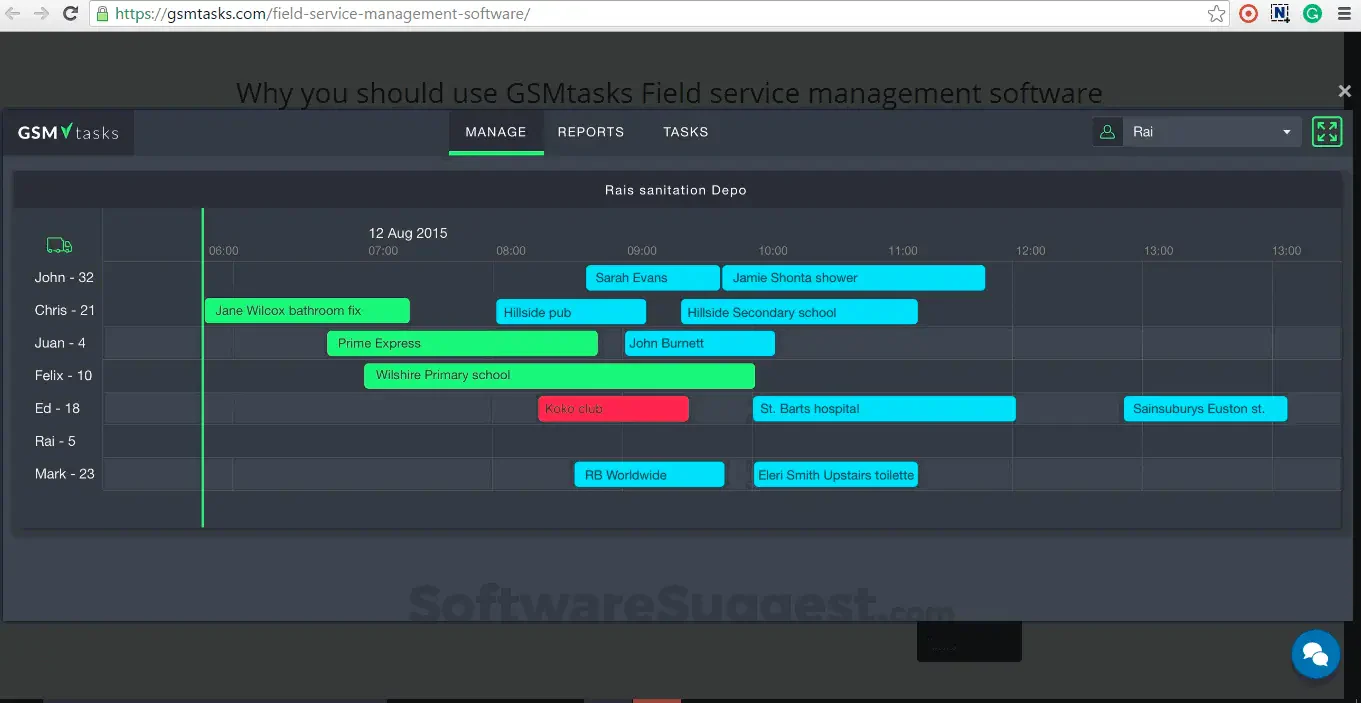
2. GSMtasks
GSMtasks is a transportation and delivery management software designed to streamline fleet operations and driver coordination. It helps businesses manage daily tasks such as route optimization, dispatching, and live tracking in a single platform. Key Features
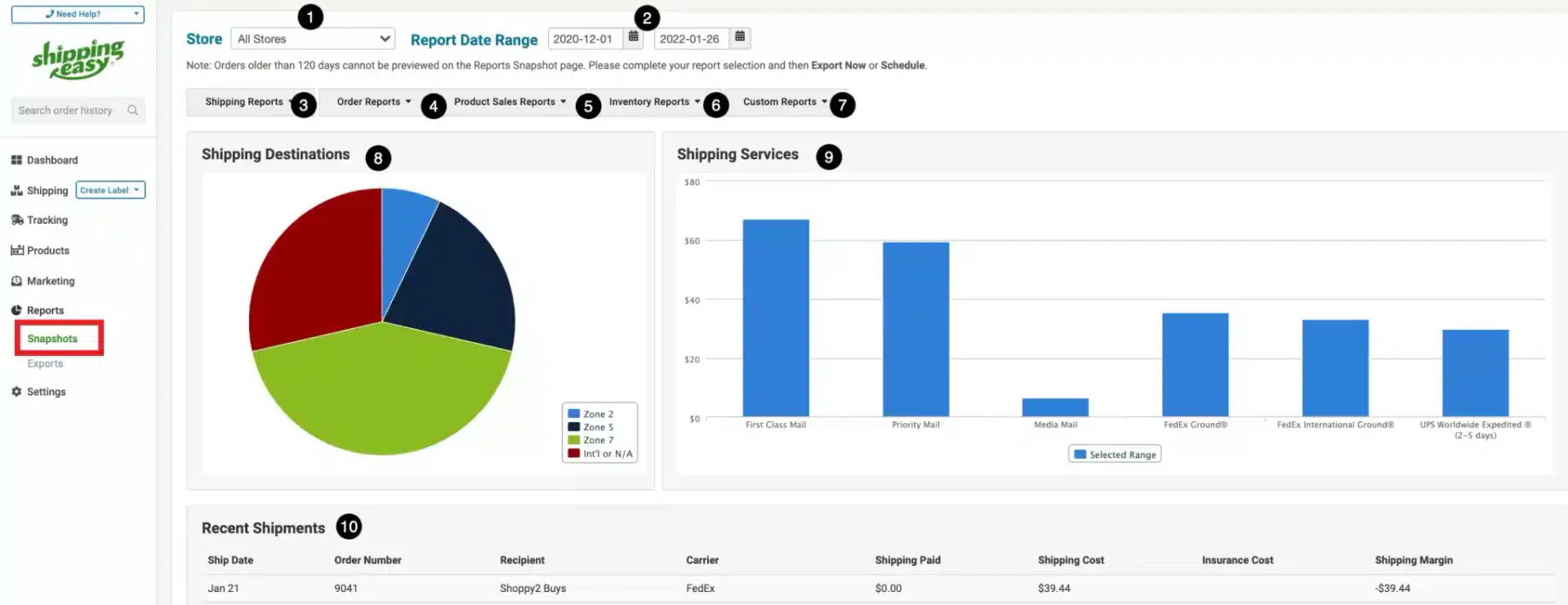
3. ShippingEasy
ShippingEasy is a cloud-based platform focused on simplifying e-commerce shipping. It integrates directly with online stores and marketplaces, allowing businesses to manage orders, print labels, and track deliveries from one dashboard. Key Features
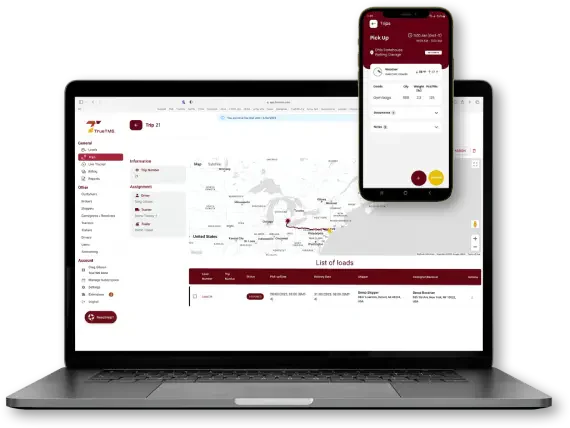
4. TrueFleet
TrueFleet is designed for companies that need strong fleet management capabilities alongside transportation oversight. It focuses on helping businesses maintain their vehicles, monitor usage, and ensure compliance while supporting logistics operations. Key Features
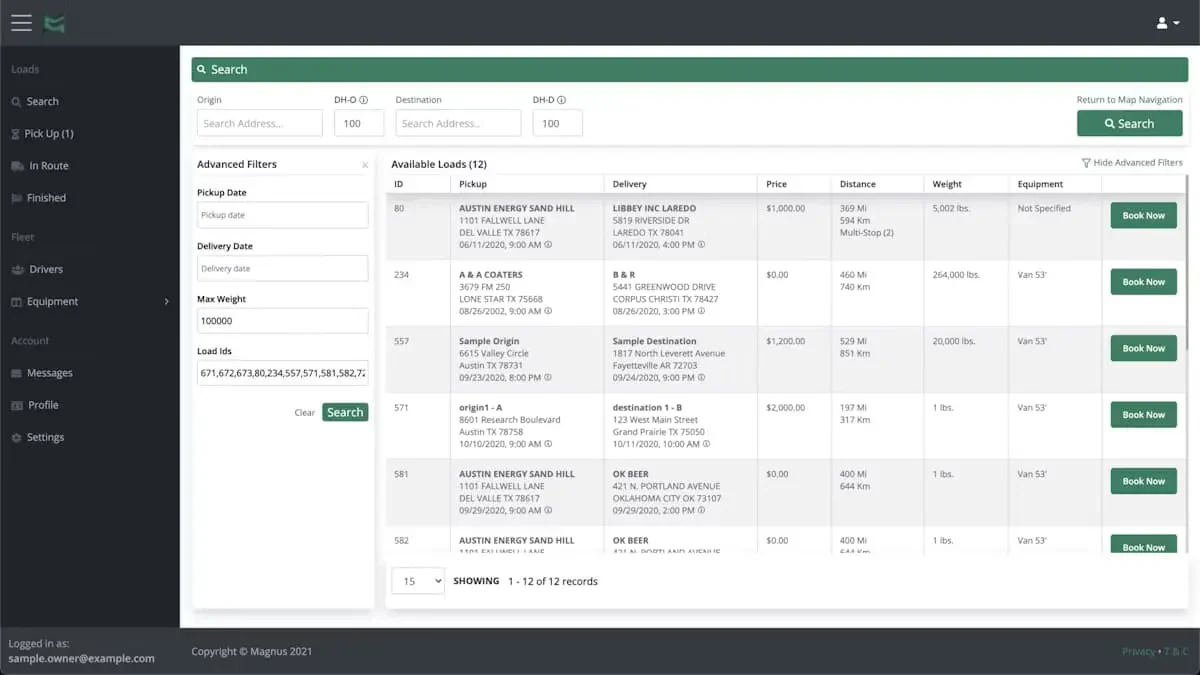
5. Magnus TMS
Magnus TMS is a comprehensive transportation management system built for carriers, brokers, and logistics providers. It emphasizes automation, document management, and real-time communication to improve freight operations. Key Features
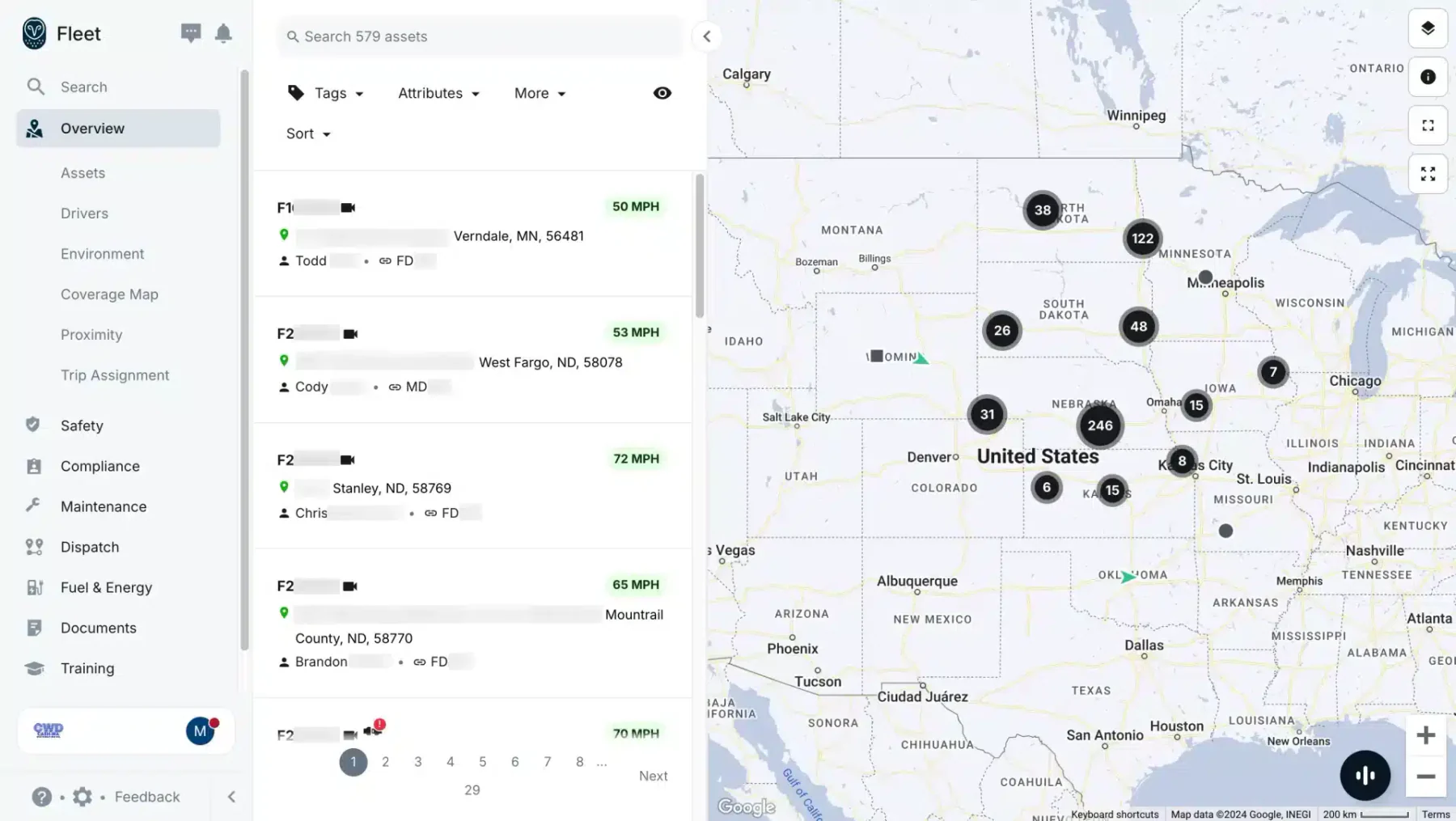
6. Samsara
Samsara offers a cloud-based platform for fleet and transportation management, combining GPS tracking with IoT-enabled sensors. It allows businesses to monitor vehicles, drivers, and cargo in real time. Key Features
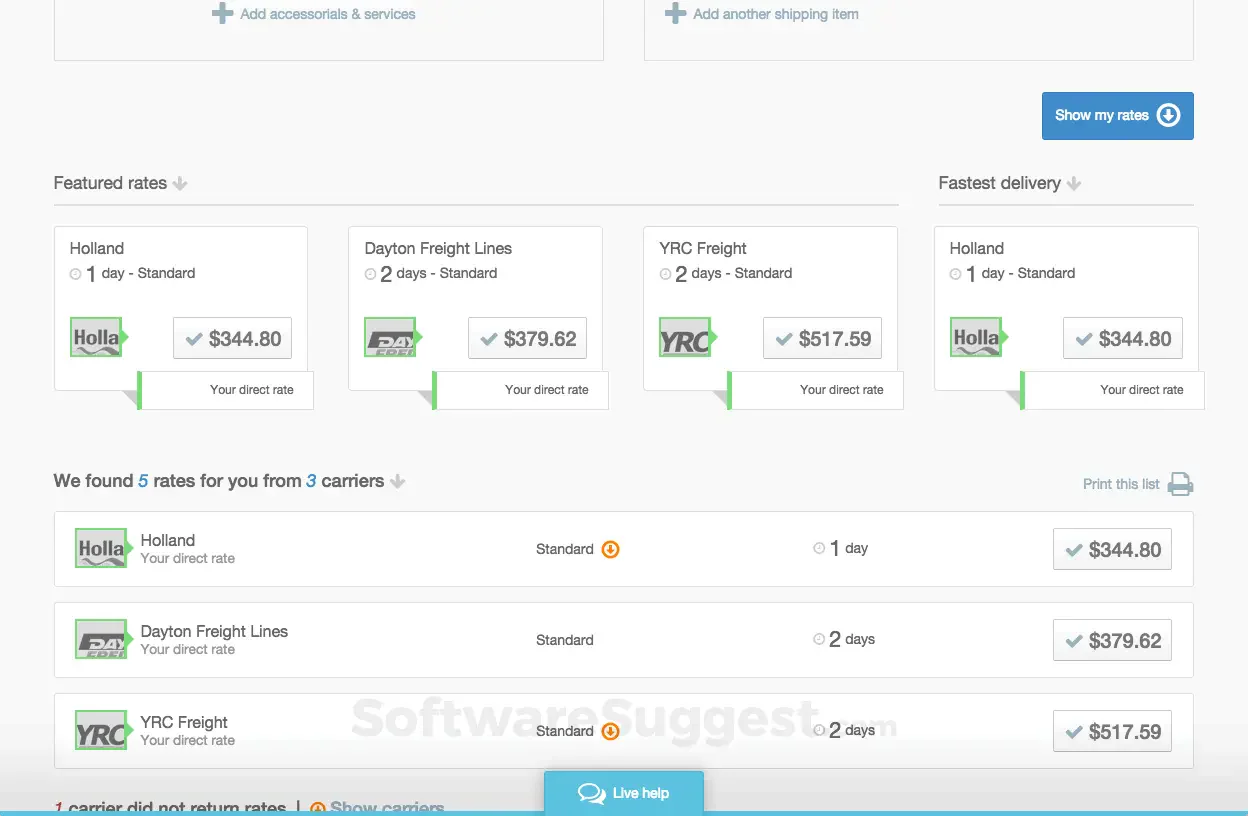
7. Freightview
Freightview focuses on simplifying freight management for shippers and carriers. It centralizes shipment planning, quoting, and tracking to help businesses manage multiple carriers from one dashboard. Key Features
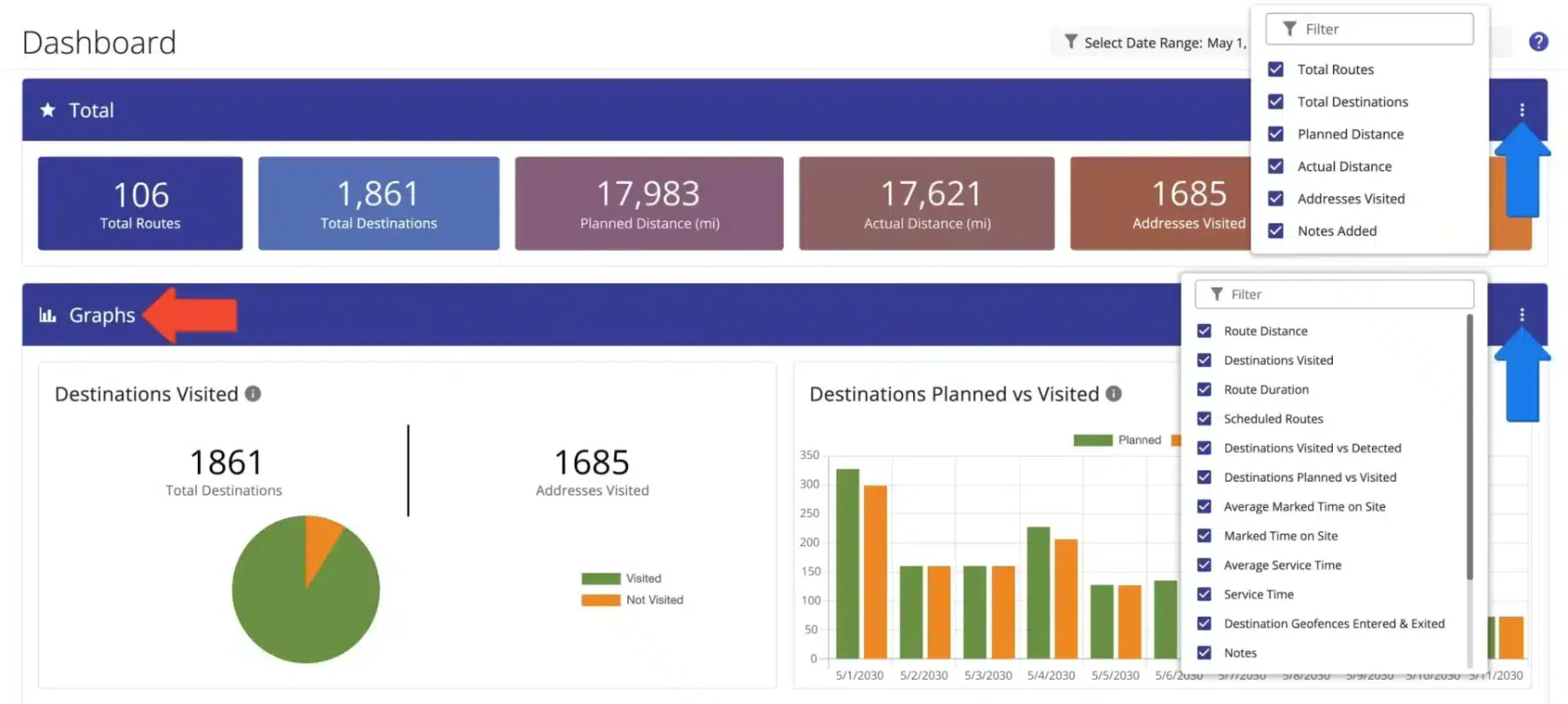
8. Route4Me
Route4Me is a route planning and optimization platform designed for delivery and field service operations, helping businesses cut travel time, lower fuel costs, and improve service speed with its simple and intuitive interface. Key Features
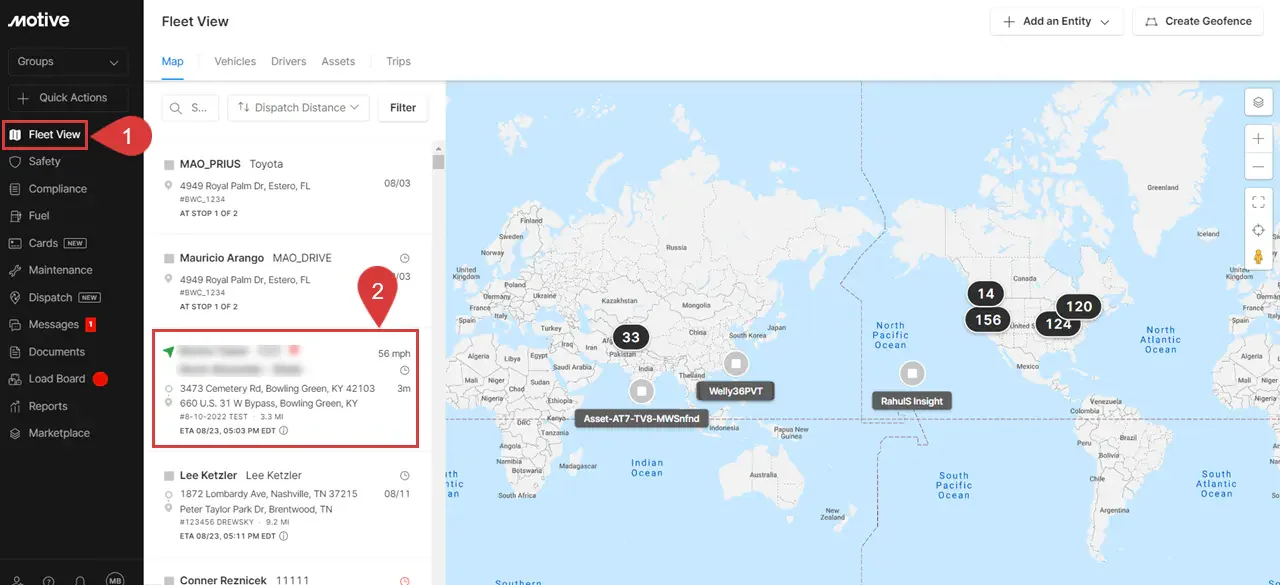
9. Motive
Motive is a fleet and transportation management solution designed to improve safety, compliance, and operational oversight. It combines telematics, vehicle diagnostics, and driver monitoring in a single platform. Key Features
What are the Benefits of Transportation Management Software?A transportation management system offers more than automation it creates real impact on costs, operations, and customer experience. Here are four key benefits: 1. Reduced transportation costsTMS optimizes routes and carrier selection, helping businesses save on fuel, cut unnecessary trips, and avoid costly delays or billing errors. Over time, these savings can make a significant difference in overall logistics expenses. 2. Improved visibilityReal-time tracking gives companies complete control over shipments from start to finish. It allows quick responses to potential disruptions and provides customers with transparent updates that build confidence. 3. Higher efficiencyBy automating processes like order entry, freight billing, and document handling, TMS reduces manual work and human errors. This frees up staff to focus on strategic tasks while ensuring smoother day-to-day operations. 4. Better customer satisfactionMeeting delivery deadlines and providing accurate updates are critical for customer loyalty. With TMS, businesses can consistently deliver on promises, strengthen brand reputation, and maintain long-term relationships. How to Choose the Right Transportation Management Software?Selecting the right TMS can be challenging, especially with so many options available. To make the best decision, businesses should consider these key factors: 1. Business needs and scaleStart by evaluating your logistics requirements, such as shipment volume, number of carriers, and geographic coverage. A small distributor will need different features compared to a multinational manufacturer. 2. Integration capabilitiesA good TMS should connect seamlessly with your existing ERP, warehouse management, and accounting systems. This ensures smooth data flow and avoids silos across departments. 3. Ease of useUser-friendly design is essential. A system that’s too complex will slow down adoption, while an intuitive platform helps your team work more efficiently from day one. 4. Scalability and flexibilityChoose a TMS that can grow with your business. Whether you expand into new regions or manage more shipments, the software should adapt without requiring a complete overhaul. 5. Analytics and reportingStrong reporting tools provide visibility into costs, performance, and trends. These insights support better decision-making and long-term optimization. 6. Customer support and vendor reliabilityBeyond the software, consider the provider. Reliable support, regular updates, and industry expertise are just as important as the features themselves. By weighing these factors, companies can narrow down their options and select a TMS that not only solves current challenges but also supports future growth. ConclusionA transportation management system (TMS) is more than just a logistics tool it helps businesses plan, track, and optimize shipments while keeping costs under control. With the right TMS, companies can achieve smoother operations, greater visibility, and better customer satisfaction. Choosing the right software depends on your business size, needs, and growth goals. While each solution has its own strengths, selecting one that integrates well with your existing systems and scales with your operations is key. Among the options available, HashMicro TMS stands out for its automation, real-time tracking, and seamless integration with ERP and warehouse systems. Trusted by over 2,000 clients, it is built to support businesses in managing complex logistics efficiently. Ready to experience it firsthand? Request a free demo of HashMicro TMS today and see how it can transform your transportation management. FAQ About Transportation Management SoftwareWhat is TMS software used for?A transportation management system (TMS) is a digital solution that enables companies to plan, manage, and optimize the movement of goods—whether inbound or outbound—while ensuring compliance and proper documentation throughout the process. What’s the difference between TMS and WMS?Scope of operations: A TMS focuses on external activities like transportation networks, while a WMS manages internal processes within the warehouse. What are the three types of transportation systems?Transportation infrastructure is generally divided into three core systems: air, surface, and maritime. The air system includes airports, heliports, runways, air traffic control, both manned and unmanned aircraft, as well as supporting services. HashMicro follows strict editorial standards and uses primary sources such as regulations, industry guidance, and trusted publications to keep content accurate and relevant.        Grace Grace Looking for a Free Demo?
Contact us via WhatsApp and let us know the software you are looking for. 14.59 |