






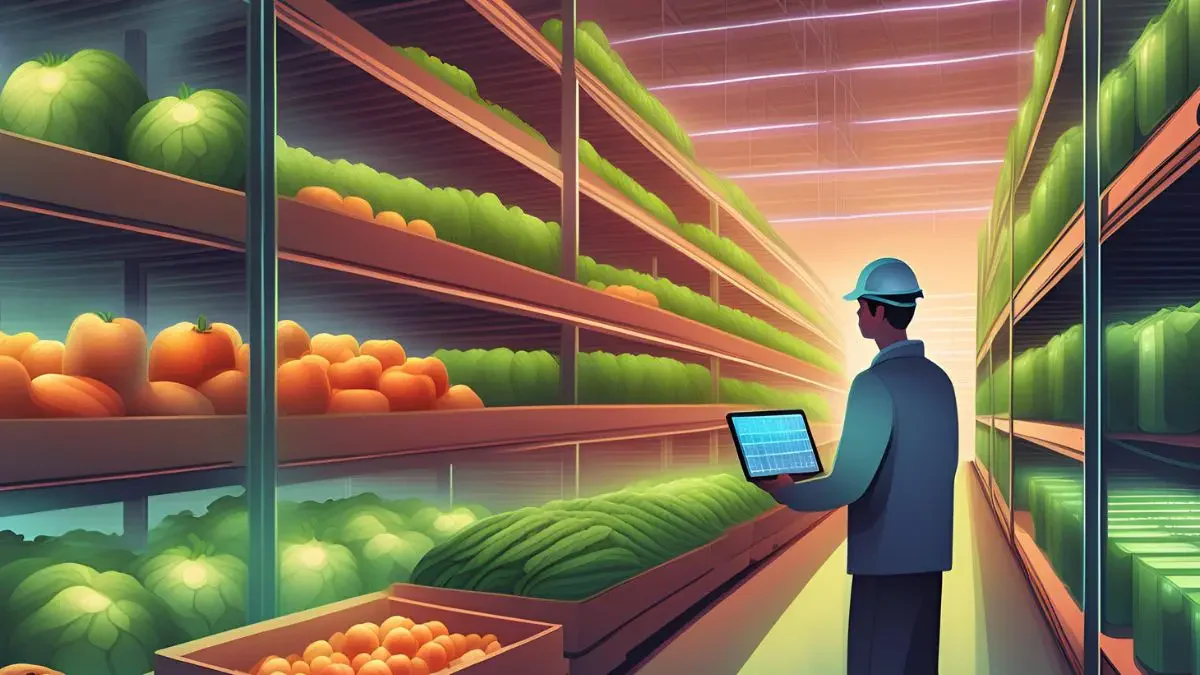
In today’s agricultural industry, efficient storage and inventory management are essential for profitability. An agriculture warehouse is a centralized hub for storing, organizing, and distributing farm products, ensuring optimal conditions for perishable and non-perishable goods.
With advancements in Warehouse Management Systems, modern agriculture software management solutions now offer real-time inventory tracking, automated sorting, and climate-controlled storage to minimize waste and maximize efficiency. A recent survey found that automated warehouses were 76% more likely to achieve 99% inventory accuracy, leading to reduced labor costs and faster order fulfillment.
Farmers can reduce post-harvest losses, streamline supply chains, and enhance market access by leveraging a well-structured warehouse agriculture system. Integrating smart warehousing solutions can significantly boost operational success. Try our free demo now!
Key Takeaways
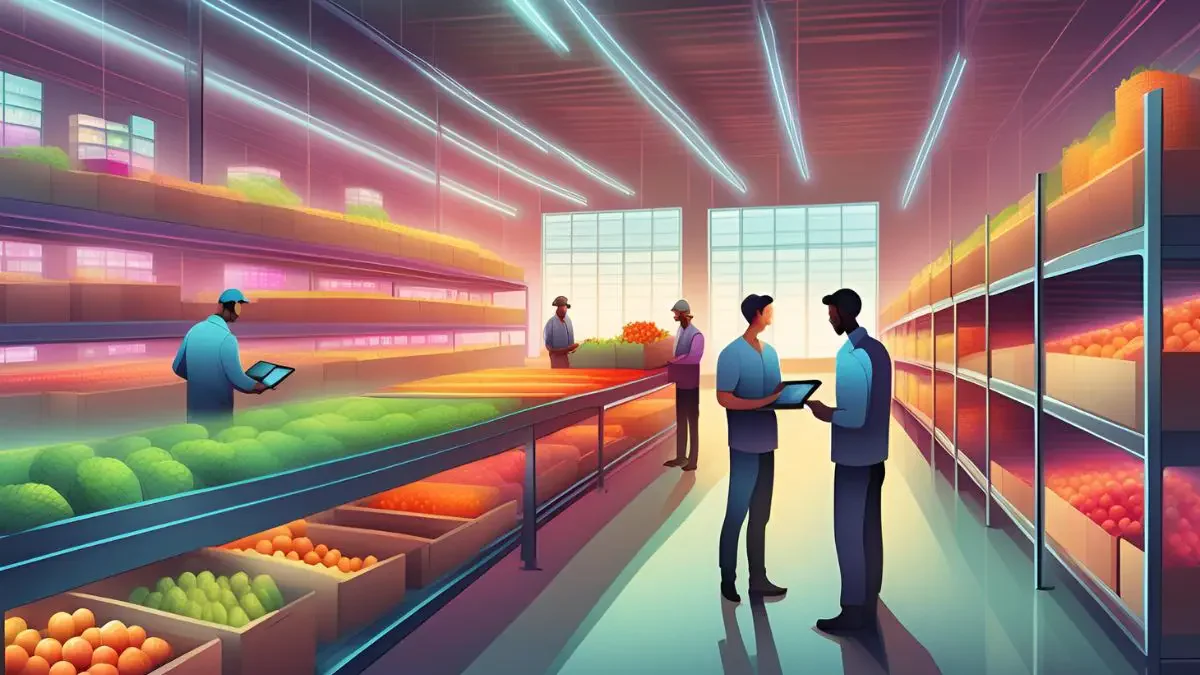
What is Agriculture Warehousing?An agriculture warehouse is a specialized storage facility designed to store, manage, and preserve farm produce efficiently. These warehouses help farmers and agribusinesses maintain product quality, prevent spoilage, and streamline inventory management. With the integration of agriculture software, modern agriculture warehouse management solutions offer real-time stock tracking, climate control, and automated logistics, ensuring a seamless supply chain. Whether for farm storage warehouses or large-scale agricultural storage facilities, effective warehousing plays a crucial role in improving efficiency and profitability in the agricultural sector. Key Features of an Agriculture Warehouse
A well-designed agriculture software offers specialized storage solutions that enhance efficiency, reduce waste, and maintain product quality. Key features include:
These advanced features, integrated with agricultural inventory software, will make agricultural warehouse management more efficient, leading to better inventory control, reduced losses, and improved profitability. Challenges in Modern Farming and the Role of Agriculture WarehousingFarmers today face numerous challenges that impact profitability and efficiency. Key obstacles include:
An agriculture warehouse, integrated with agriculture asset software, helps mitigate these challenges by providing secure storage, climate-controlled environments, and automated inventory tracking. With agrigculture software, farmers can reduce waste, optimize supply chains, and ensure market-ready produce. Innovations in Crop Production and Management for Storage Efficiency
By adopting the agriculture software, farmers can increase yield, improve storage efficiency, and ensure long-term agricultural sustainability. Efficient Inventory and Storage Management PracticesEffective agriculture warehouse management relies on agriculture software and space optimization techniques. Key practices include:
With the right ERP software equipped with warehouse management capabilities, farmers can minimize losses, increase productivity, and ensure a seamless supply chain. Sustainable Agricultural Warehousing SolutionsSustainability is becoming a key focus in agriculture software, helping businesses reduce waste and conserve resources. Key sustainable practices include:
By integrating Agriculture Software like HashMicro Warehouse Software, businesses can further enhance sustainability by automating inventory processes, reducing excess stock, and optimizing warehouse efficiency. When paired with a complete agriculture ERP system, these solutions support end-to-end transparency and control across farming, storage, and distribution activities. ConclusionAn agriculture warehouse improves storage, reduces waste, and enhances inventory accuracy. With a Warehouse Management System, farmers can automate tracking, cut costs, and boost efficiency. HashMicro’s Warehouse Management System optimizes inventory and space utilization for seamless warehouse management. Get a free demo today to enhance your agricultural operations. FAQ about Agriculture WarehouseWhat are the types of warehouses?/strong>Public, private, bonded, smart, climate-controlled, and distribution warehouses. What is called storage in agriculture?The process of preserving and managing farm produce, equipment, and supplies in agriculture warehouses or farm storage facilities. What is the difference between a warehouse and a manufacturing plant?A warehouse stores goods, while a manufacturing plant produces them before distribution. What is distribution in agriculture?The process of transporting and delivering agricultural products from farms to markets or consumers. HashMicro follows strict editorial standards and uses primary sources such as regulations, industry guidance, and trusted publications to keep content accurate and relevant.        Alia Alia Looking for a Free Demo?
Contact us via WhatsApp and let us know the software you are looking for. 15.20 |

 The agricultural industry is constantly evolving, with new technologies improving both crop production and storage efficiency. Modern