





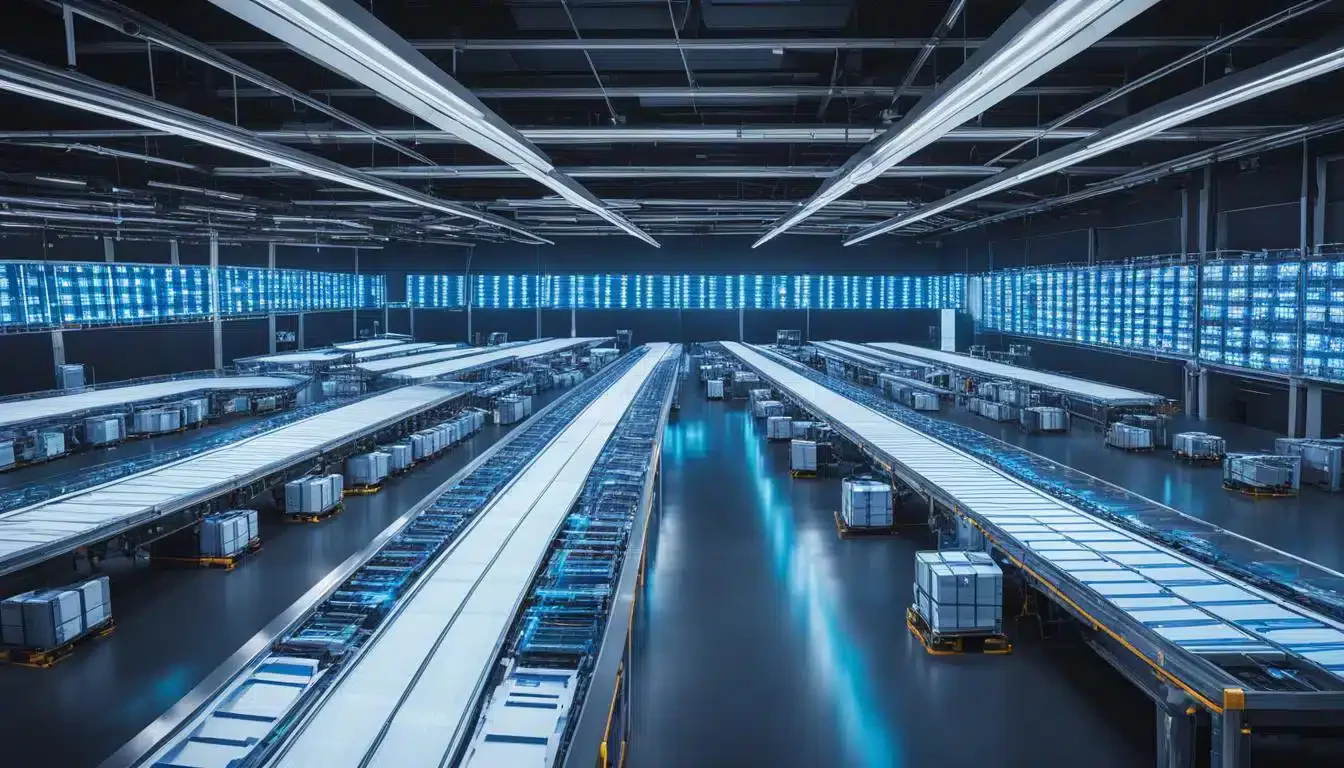
In today’s fast-paced global economy, businesses must optimize logistics operations to stay competitive. One of the most transformative advancements in supply chain management is the automated warehouse system which is a technology-driven approach that enhances efficiency, reduces costs, and streamlines operations.
According to Mordor Intelligence, the warehouse automation market is projected to grow from USD 29.91 billion in 2025 to USD 63.36 billion by 2030, reflecting a CAGR of 16.2%. This rapid expansion highlights the increasing reliance on automated warehouse technology to meet the growing demands of modern supply chains.
By implementing smart warehouse solutions, businesses can improve inventory accuracy, accelerate order fulfillment, and optimize labor efficiency. In this article, we will explore what an automated warehouse is, the key technologies driving automation, its benefits, challenges, and future trends in warehouse management.
Key Takeaways
What is an Automated Warehouse?An automated warehouse is a technology-driven storage and distribution facility that minimizes human intervention by integrating robotics, artificial intelligence (AI), the Internet of Things (IoT), and big data analytics. These systems streamline inventory management, order processing, and material handling, resulting in greater efficiency, accuracy, and cost savings. At its core, an automated warehouse system replaces traditional manual processes with smart warehouse solutions, such as robotic picking systems, conveyor belts, automated guided vehicles (AGVs), and AI-powered inventory tracking. A warehouse management system plays a crucial role in coordinating these technologies, ensuring seamless operations, minimal errors, and improved order fulfillment speed. By leveraging automated warehouse technology, businesses can optimize storage space, reduce operational costs, and enhance supply chain efficiency. As logistics demands continue to rise, the adoption of digital warehouses is becoming essential for companies looking to stay competitive. Technologies Powering Automated WarehouseWarehouse automation is powered by advanced technologies that enhance efficiency, accuracy, and scalability in logistics operations. The four key technologies transforming automated warehouses include:
These technologies work together to create a smart, digital warehouse environment that enhances productivity and reduces operational costs. As automation continues to evolve, businesses that adopt these innovations will gain a competitive edge in logistics. Benefits of Adopting Automated Warehouse SystemsImplementing an automated warehouse system offers significant advantages, improving efficiency, accuracy, and cost-effectiveness. Here are the key benefits:
By integrating automated warehouse technology with a robust ERP software, businesses can gain greater efficiency, cost savings, and a competitive edge. Challenges and Considerations in Implementing Automated WarehouseWhile automated warehouses systems offer numerous benefits, businesses must carefully evaluate potential challenges before implementation. Here are key considerations:
Understanding these challenges enables businesses to strategically plan and implement automation, maximizing benefits while mitigating risks. Future Trends: On-Demand Warehousing and Green AutomationAs warehouse automation continues to evolve, two major trends are shaping the future of logistics which is on-demand warehousing and green automation initiatives.
By embracing these emerging trends, businesses can enhance efficiency, improve sustainability, and stay competitive in an ever-evolving logistics landscape. Maximizing the Potential of Automated WarehouseImplementing automated warehouse technology can transform logistics operations, but without the right system in place, businesses may still face challenges such as inefficient inventory management, delays in order fulfillment, and high operational costs. To fully maximize the benefits of automation, a smart and integrated management system is essential. A warehouse automation system enhances efficiency by automating stock tracking, optimizing storage space, and ensuring seamless order processing. By integrating real-time data, predictive analytics, and AI-driven automation, businesses can streamline workflows, minimize errors, and improve overall supply chain performance. For companies looking to leverage automation effectively, HashMicro’s Warehouse Management System offers an AI-powered, cloud-based solution tailored to your needs. With features like real-time inventory tracking, automated reporting, and seamless ERP integration, HashMicro helps businesses reduce manual workload, improve accuracy, and accelerate order fulfillment—empowering you to stay ahead in today’s competitive logistics landscape. ConclusionThe rise of automated warehouse systems is transforming modern logistics, enabling businesses to achieve greater efficiency, accuracy, and cost-effectiveness. By integrating robotics, AI, IoT, and big data, companies can streamline inventory management, accelerate order fulfillment, and optimize resource allocation, ultimately enhancing overall supply chain performance. While initial investment and workforce adaptation may pose challenges, businesses that strategically implement automation can maximize long-term benefits. Additionally, emerging trends such as on-demand warehousing and green automation initiatives are driving more sustainable and scalable logistics solutions, ensuring businesses remain competitive in an evolving market. Experience the efficiency of HashMicro’s WMS—optimize your warehouse operations and streamline logistics. Book a free demo today! FAQ about Automated WarehouseWhat is an automated warehouse?An automated warehouse is a technology-driven facility that uses robotics, AI, IoT, and automated systems to manage inventory, process orders, and optimize logistics with minimal human intervention. What are the benefits of an automated warehouse?Automated warehouses increase efficiency, reduce errors, lower labor costs, improve inventory accuracy, and speed up order fulfillment, leading to enhanced productivity and cost savings. What are the three levels of warehouse automation?Warehouse automation has three levels. Basic automation uses barcoding and inventory software. System automation integrates conveyors and AS/RS. Advanced automation leverages AI, robotics, and predictive analytics for full-scale efficiency. Angela Tan is a Regional Manager at HashMicro with a strong focus on ERP and accounting solutions, leading regional market strategies that support strategic growth and people-centered management. Through her experience overseeing multi-market operations, she plays a key role in helping organizations improve financial accuracy, strengthen customer relationships, and build long-term business sustainability across Southeast Asia. HashMicro follows strict editorial standards and uses primary sources such as regulations, industry guidance, and trusted publications to keep content accurate and relevant.        Alia Alia Looking for a Free Demo?
Contact us via WhatsApp and let us know the software you are looking for. 15.17 |