





Trading companies in Malaysia deal with fast-moving stock, multiple suppliers, bulk purchase orders, customer-specific pricing, and tight fulfilment timelines. When these workflows are handled across spreadsheets, accounting tools, and separate inventory systems, teams often lose visibility over stock availability, supplier commitments, and profit margins.
ERP software for trading businesses connects purchasing, inventory, sales, finance, and delivery in one system. The right platform helps wholesalers and distributors track stock movement in real time, automate sales and purchase orders, manage multiple warehouses, and support LHDN e-Invoice and SST requirements without duplicating data across departments.
Key Takeaways
|
When purchasing, inventory, sales, and finance teams work from separate files or systems, trading companies can easily lose track of stock movement, supplier updates, and order status. A trading ERP brings these workflows into one platform so teams can work with the same data, update records in real time, and reduce reporting gaps across departments.

What is ERP Software for Trading?
ERP software for trading is a system that connects the core workflows of wholesalers, distributors, and trading companies. It helps manage purchasing, supplier records, stock movement, sales orders, pricing, invoicing, finance, and customer data from one platform.
For trading businesses, the main value of ERP is visibility across the full buy-and-sell cycle. Teams can see which items are available, which purchase orders are pending, which customer orders are ready to fulfil, and how each transaction affects cash flow and margins. This reduces manual checking, prevents duplicated data, and helps managers make faster decisions based on real-time trading operations.
15 Best ERP Software for Trading Business in Malaysia
After discussing the purpose of ERP software for trading, we compiled a list of 15 top-rated ERP solutions tailored explicitly for trading businesses. This guide is designed to help distributors, wholesalers, and trading companies identify the most suitable platforms for managing their operations effectively.
Each ERP system feature offers unique advantages and may have specific limitations, helping you determine which one best aligns with your business objectives. Discover our curated selection to elevate overall efficiency in your trading operations.
1. HashMicro
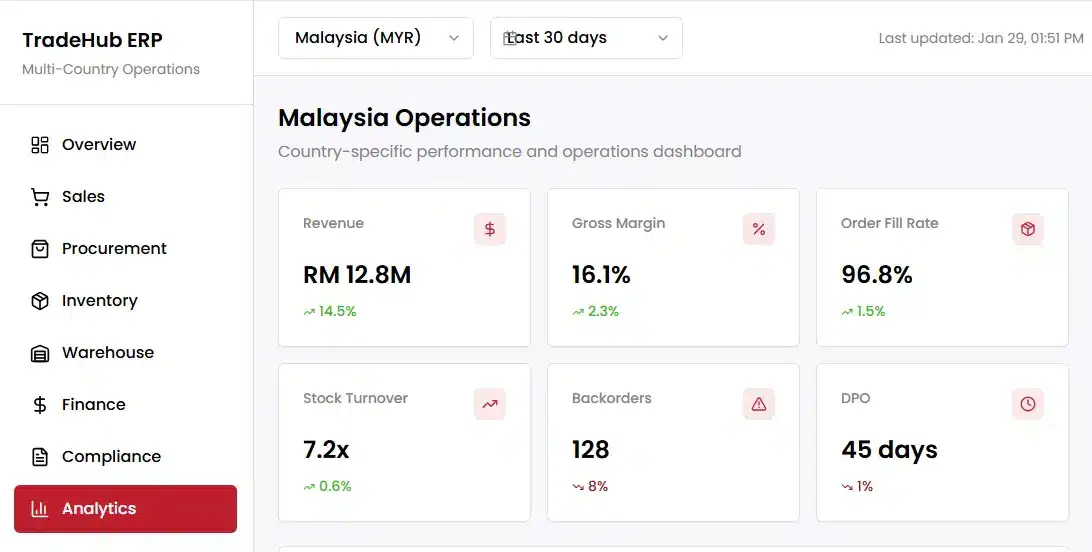
HashMicro’s Trading ERP Software provides a wide range of tools designed to streamline trading operations and enhance overall business performance. The system is equipped with intelligent automation that simplifies key processes while ensuring compliance with local regulations and business practices.
HashMicro serves over 3,000 clients, including industry leaders such as McDonald’s and the Bank of China. This recognition highlights HashMicro’s significant role and growing impact in the ERP landscape for trading industries.
Here are the key features of HashMicro’s Trading ERP Software:
- Customer Retention Module: Manage extensive customer databases to enable personalized marketing efforts and effective customer segmentation.
- Finance and Invoicing Tools: Generate and manage invoices with customizable templates that reflect your brand identity.
- Purchase Management System: Streamline the ordering process with automated purchase workflows and multi-level approval settings for each request.
- Inventory Control Module: Track inventory in real-time, set automatic restock alerts, and align stock levels with supplier lead times and demand patterns.
- Bank Reconciliation: Automatically sync and reconcile payment data across multiple bank accounts for enhanced financial accuracy.
- Analytics Dashboard: Access real-time business metrics and create detailed reports to support informed decision-making within one integrated ERP for a trading operations platform.
| Pros | Cons |
|
|
In terms of local compliance, HashMicro’s system is designed to align with Malaysia’s tax regulations, specifically the Service Tax (SST) requirements and the electronic invoicing (e-Invoice) mandate implemented by the Inland Revenue Board of Malaysia (LHDN).
By automating these regulatory processes, trading companies can ensure accurate tax filing and avoid legal penalties while maintaining transparent financial records.

2. Oracle NetSuite ERP
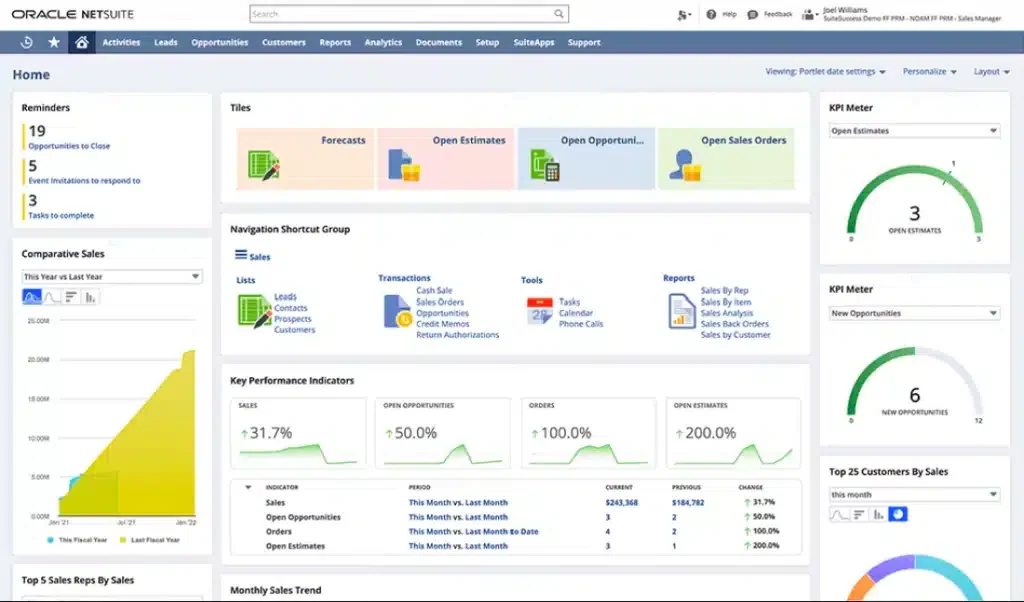
Oracle NetSuite for trading businesses, is a cloud-based ERP software for trading business solution. It helps trading companies streamline operations by automating key processes such as inventory, procurement, sales, and finance, while offering real-time visibility into performance.
| Pros | Cons |
|
|
3. ORION ERP
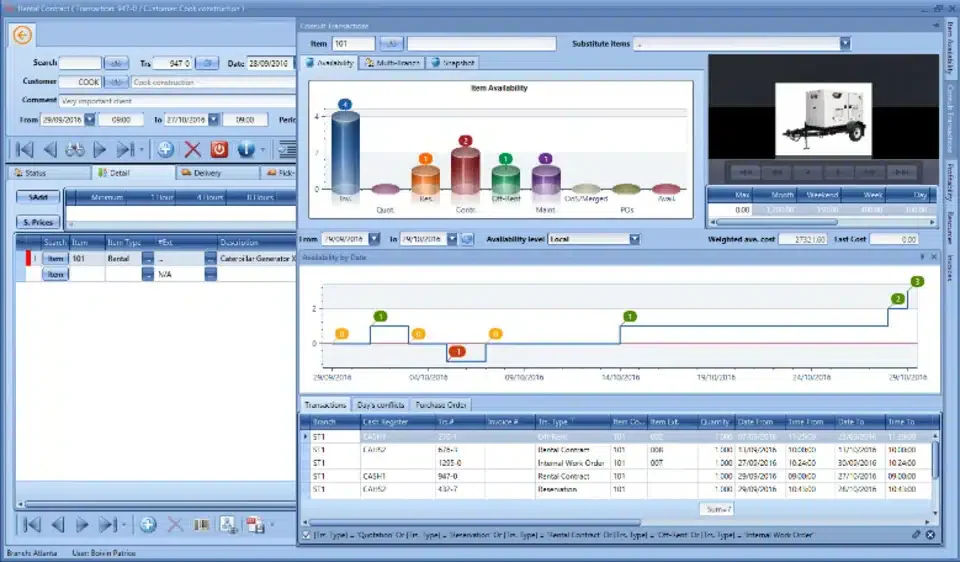
In the trading industry, ORION ERP offers comprehensive cloud ERP solutions tailored to streamline business operations. It is known for its accessibility and robust support, provided via phone, email, live chat, and ticketing systems.
Key features of ORION ERP include inventory and order management, procurement, accounting, CRM, supply chain automation, and real-time analytics.
| Pros | Cons |
|
|
4. Absolute ERP
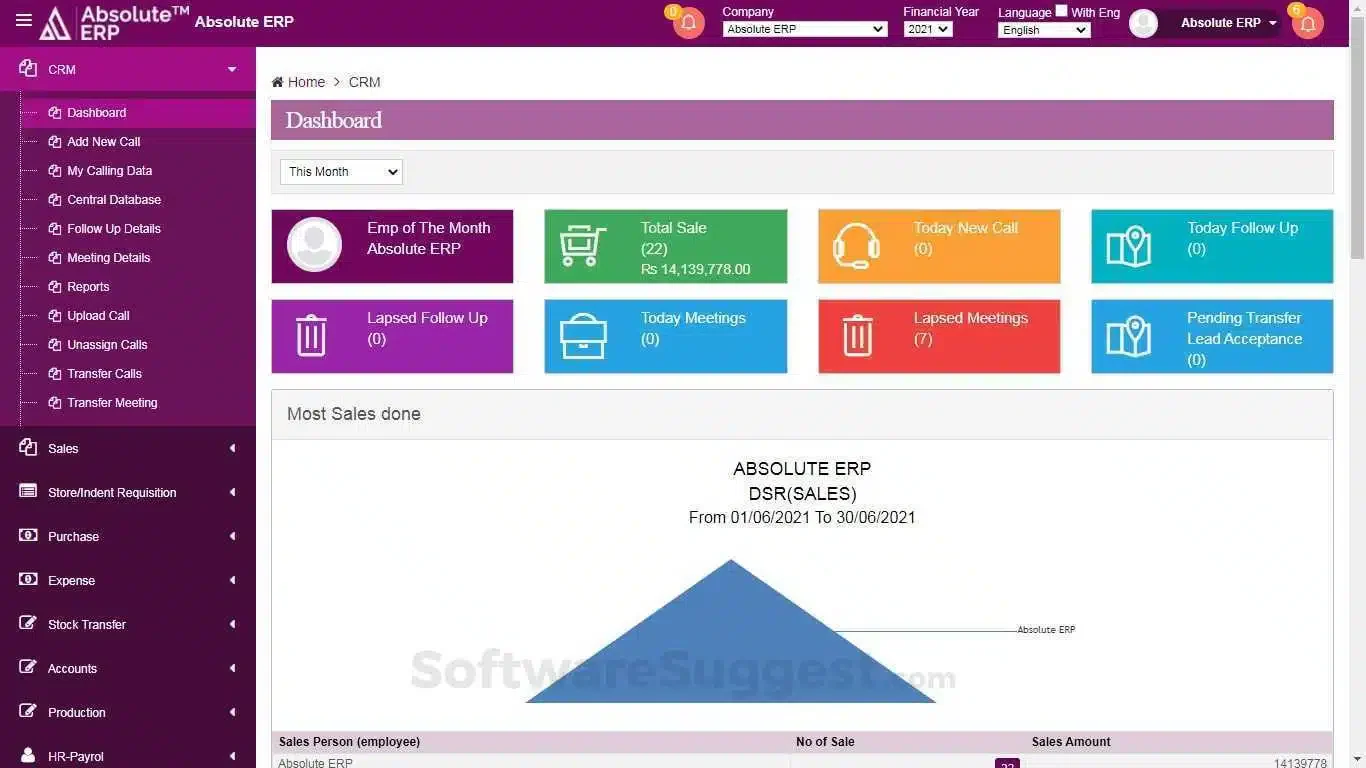
Absolute ERP is an ERP solution designed to cater to Startups, SMBs, Mid-Market, and Enterprise-level businesses. The system stands out for significantly enhancing work quality, supporting efficient management, boosting productivity, and strengthening governance across operations.
Key features of Absolute ERP include inventory and warehouse management, procurement, production planning, and detailed reporting tools. These features enable businesses to streamline processes and make data-driven decisions in real-time.
| Pros | Cons |
|
|
5. Axanta ERP
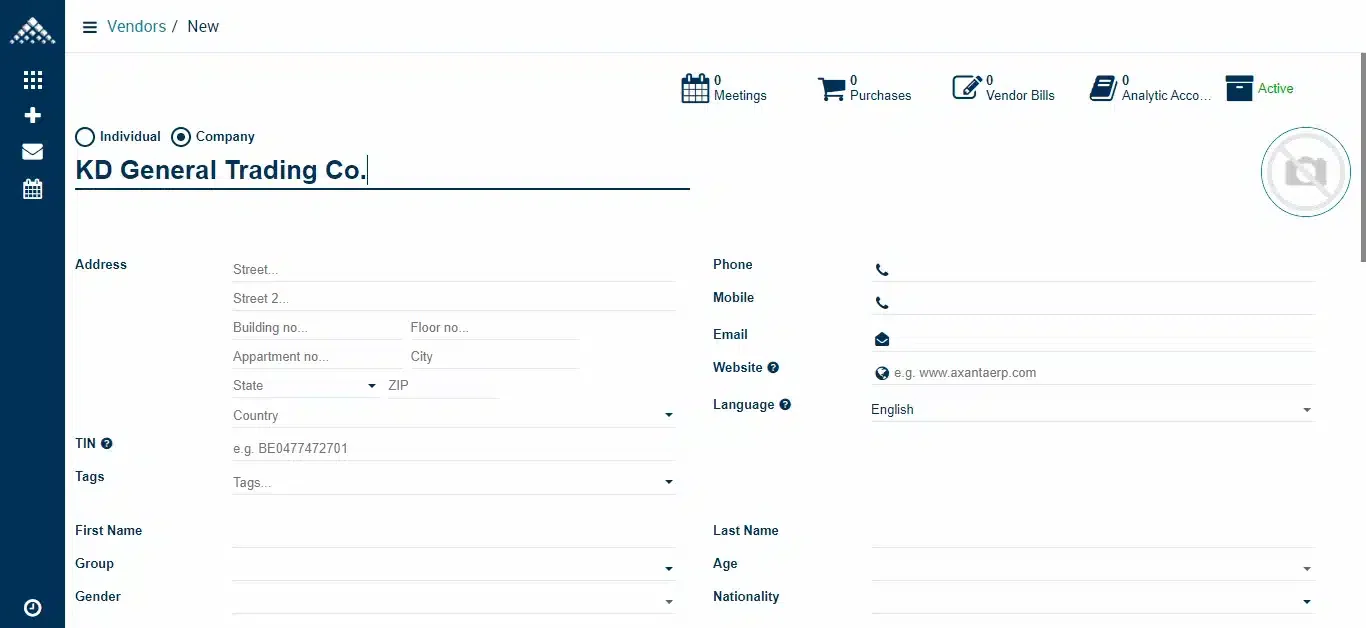
Axanta ERP delivers tailored ERP software solutions for the trading industry. Comprehensive support channels are in place to back the platform, ensuring users receive reliable assistance throughout their operations.
Key features of Axanta ERP include sales and purchase tracking, CRM, financial accounting, barcode integration, multi-currency, and multi-location support.
| Pros | Cons |
|
|
6. Horizon ERP
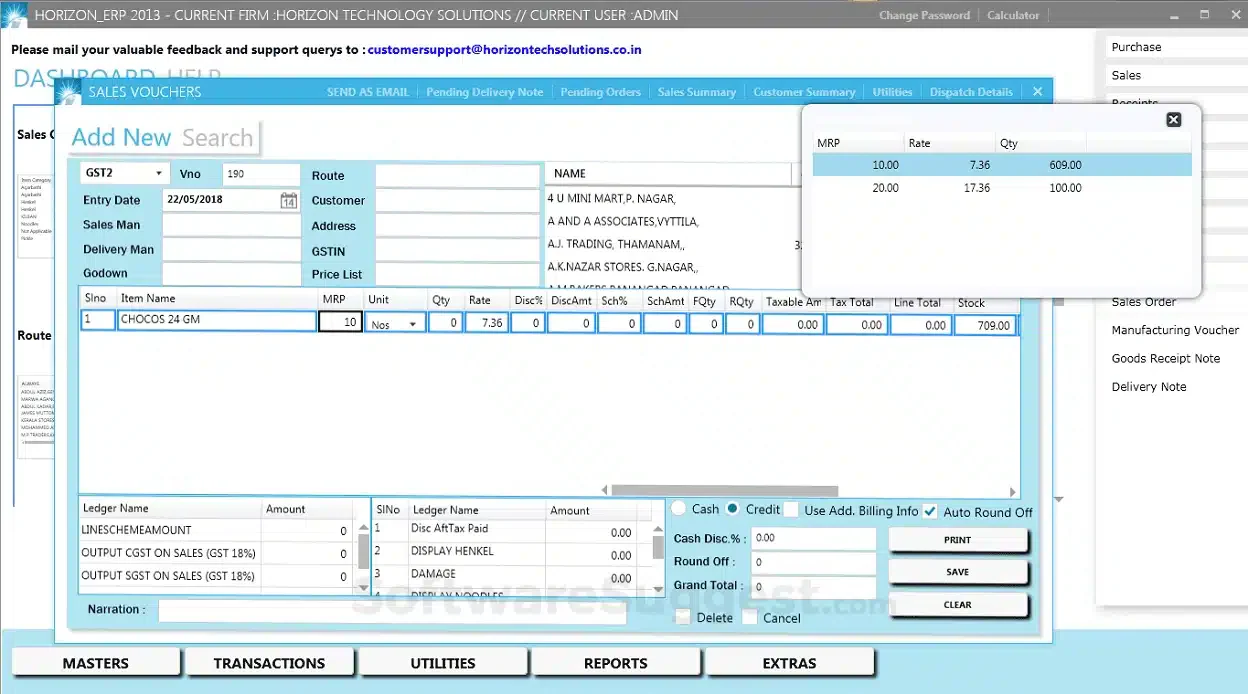
Horizon ERP is a practical ERP software solution designed for trading businesses that require efficient handling of large volumes of invoices and extensive SKU management. With its integrated billing, inventory, and accounting modules, the software simplifies complex trading operations.
It offers a fast, dependable, and easy-to-maintain system, making it an ideal choice for distributors, retailers, and small manufacturers looking to optimize stock control, streamline transactions, and maintain accurate financial records.
| Pros | Cons |
|
|
7. Eresource ERP for Trading
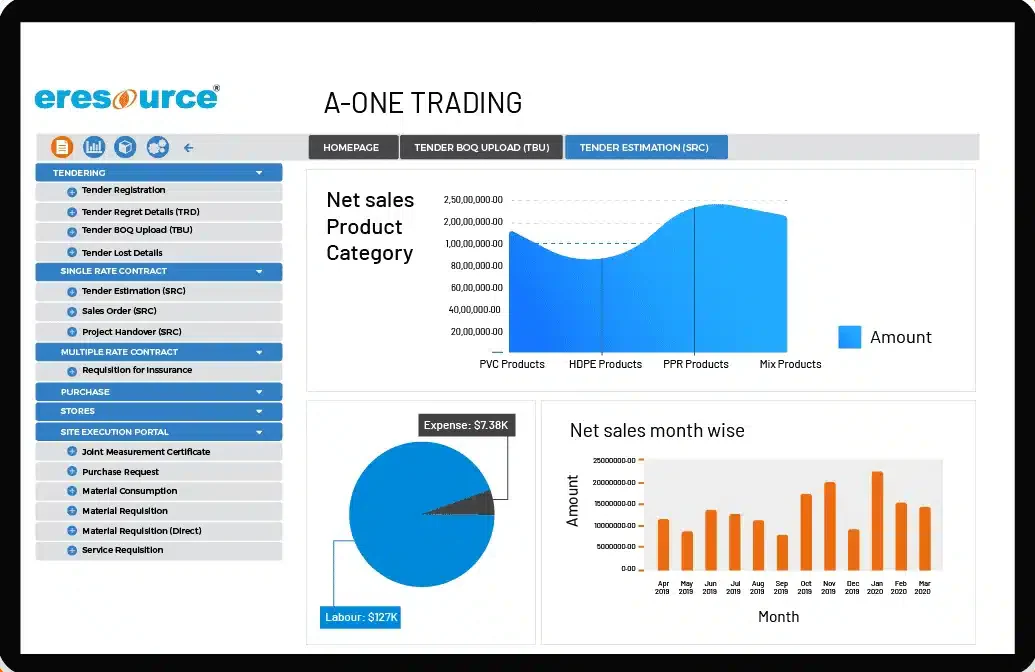
Eresource ERP is an all-in-one solution tailored for trading businesses, offering a fully integrated suite of applications to manage core operations, including procurement, inventory, sales, finance, and customer relations.
Designed to enhance decision-making, the system provides real-time data and analytics that help businesses respond quickly to market demands and internal challenges. With its end-to-end capabilities, eResource ERP streamlines every stage of the trading process.
| Pros | Cons |
|
|
8. eLite ERP
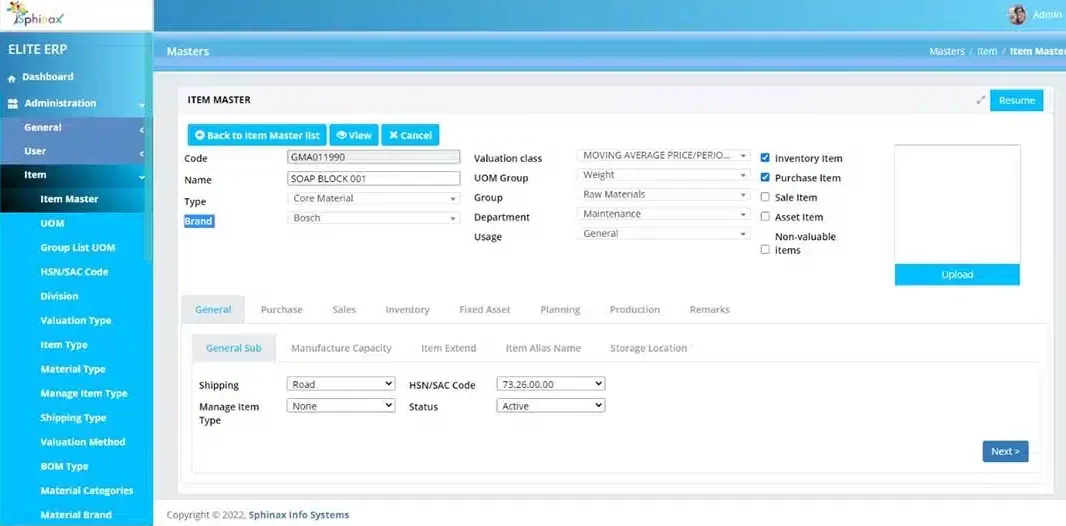
eLite ERP is a cost-efficient ERP software designed specifically for small to medium-sized trading businesses looking to enhance their productivity without overspending. eLite ERP allows companies to transition smoothly from manual operations to a fully integrated digital system.
Its software supports essential trading functions such as inventory control, order processing, billing, and financial management, helping businesses streamline their daily operations.
| Pros | Cons |
|
|
9. Sage 300 Cloud
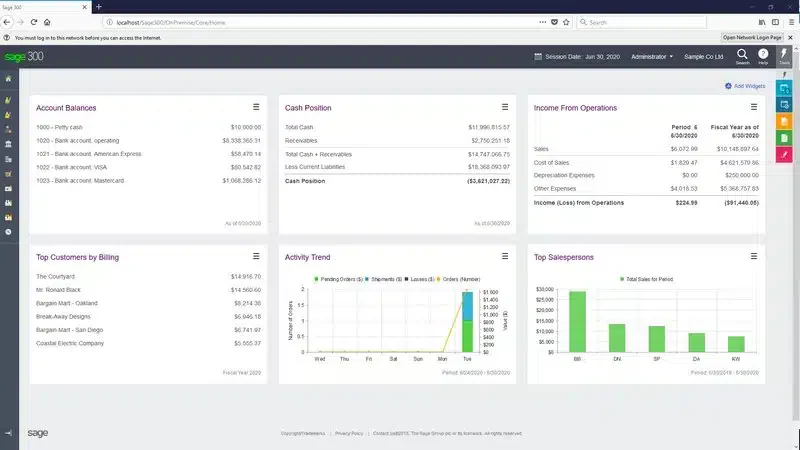
Sage 300 Cloud is a popular cloud-based business management solution tailored for small to mid-sized businesses, especially those in the trading sector. It seamlessly integrates essential functions, including finance, operations, sales, inventory, and customer service, into a unified platform.
Designed to handle the complexities of multi-location trading operations, Sage 300 Cloud ERP for trading streamlines supply chain processes, manages large volumes of transactions, and maintains real-time visibility into stock levels and financials.
| Pros | Cons |
|
|
10. Marg ERP 9+ Software
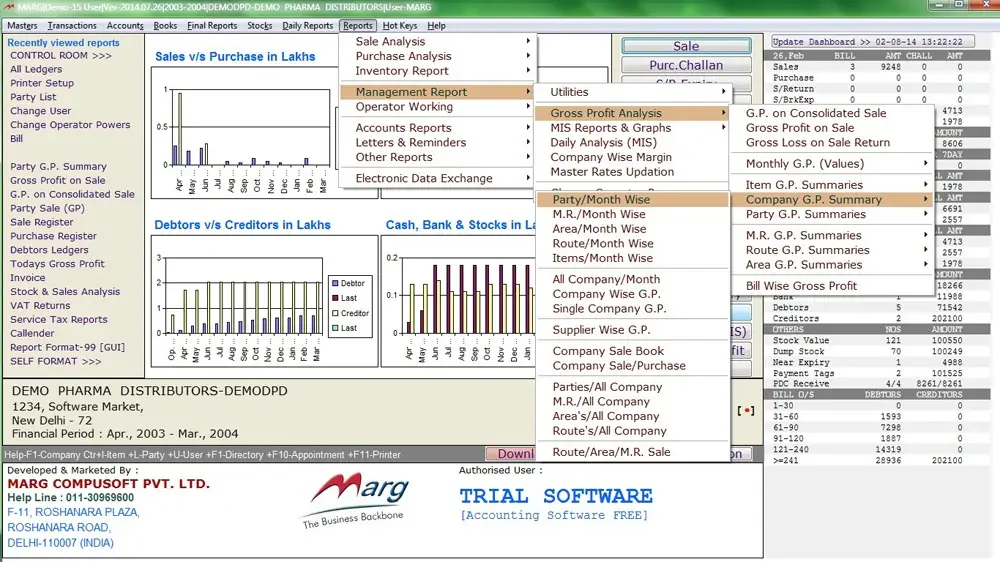
Marg ERP 9+ is a robust ERP designed to meet the needs of trading businesses, including retailers, distributors, and manufacturers. Its software offers an integrated, centralized platform to manage and streamline supply chain operations.
Its comprehensive tools help small and medium-sized enterprises (SMEs) stay on track with their business goals by ensuring efficient control over inventory, sales, purchasing, and accounting processes.
| Pros | Cons |
|
|
11. Expand smERP
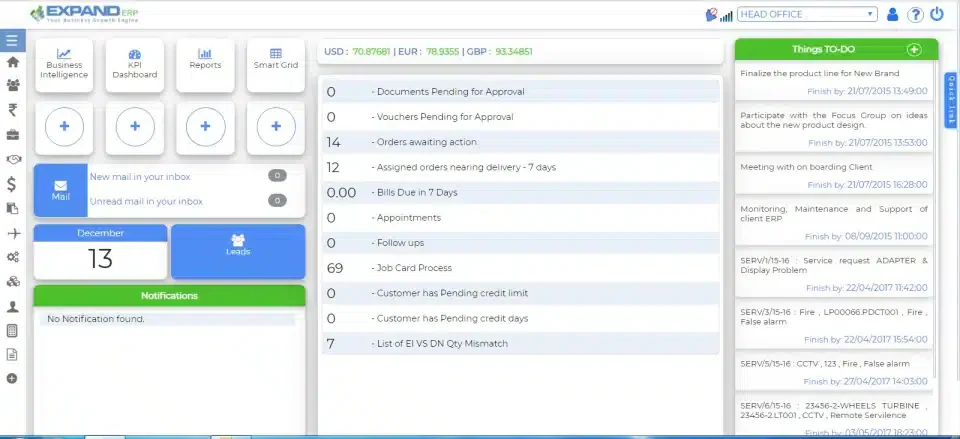
Expand smERP is a cloud-based ERP solution specifically designed to support manufacturers and exporters with production and job workflow management. Built to align seamlessly with existing operations, Expand smERP enhances business efficiency by automating even the most complex tasks.
| Pros | Cons |
|
|
12. ERPNext
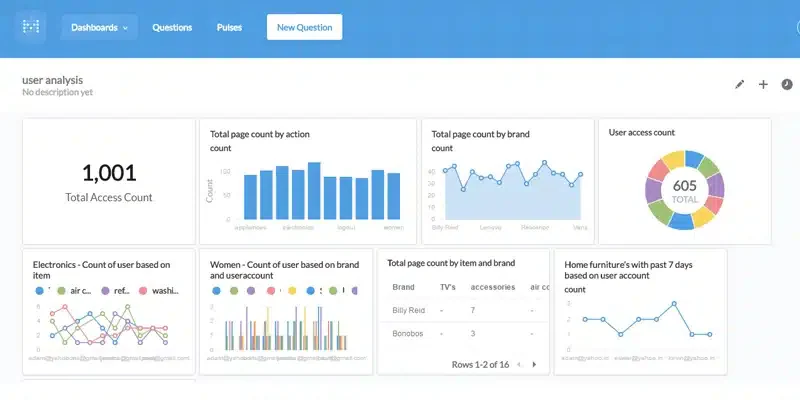
ERPNext serves as a robust ERP foundation for trading and also wholesale distribution software, offering flexibility and control by allowing users to choose their preferred hosting provider or self-host the system. ERPNext supports essential trading operations through features like inventory management, real-time reporting, and multi-currency support.
| Pros | Cons |
|
|
13. FACT ERP.NG

FACT ERP.NG is a comprehensive ERP solution designed to support trading businesses by streamlining operations across multiple functions, from managing the supply chain, procurement, and inventory to overseeing warehouse activities and fixed assets.
It also features tools for manufacturing oversight, financial management, and business intelligence, enabling accurate reporting and data-driven decisions. With its integrated and scalable system, FACT ERP.NG helps trading companies operate more efficiently and competitively.
| Pros | Cons |
|
|
14. Spectrum ERP
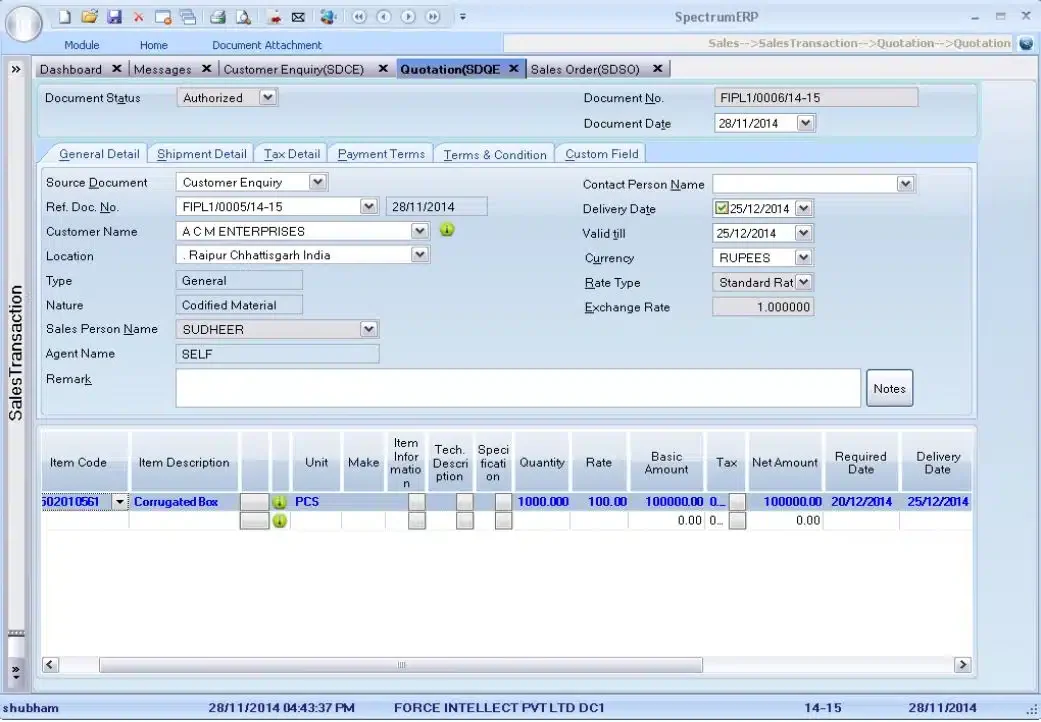
Spectrum ERP is a reliable and all-in-one ERP solution tailored not only for manufacturing SMEs but also highly beneficial for trading businesses. It offers robust business intelligence tools and mobile capabilities that enable users to stay informed and connected at any time, from anywhere.
For trading companies, Spectrum ERP features include procurement, sales order processing, supplier and customer management, GST-compliant accounting, reporting and analytics, and mobile access.
| Pros | Cons |
|
|
15. Roadmap ERP
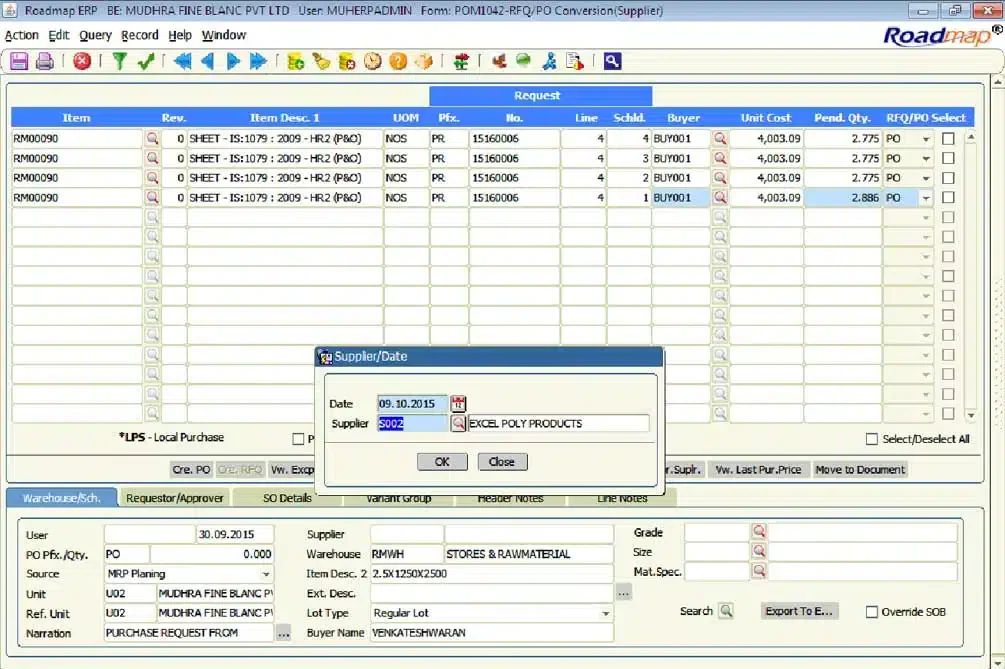
Spectrum ERP is an end-to-end ERP software designed for trading businesses seeking operational efficiency and real-time control. With built-in business intelligence and mobile accessibility, it enables users to stay connected and make informed decisions on the go.
| Pros | Cons |
|
|
What are the Benefits of ERP Software for Trading?
ERP software provides a wide range of benefits for trading businesses seeking to remain competitive and efficient in today’s fast-paced market. Here are some key advantages your team can gain from implementing ERP software tailored for trading operations:
1. Business scalability
Having a comprehensive ERP system helps trading companies expand more easily by centralizing operations and providing real-time access to critical data. It allows businesses to manage increasing transaction volumes and expand into new markets without losing efficiency.
2. Efficient process management
ERP software streamlines various trading activities, including procurement, sales, inventory management, and order fulfillment, into a single, cohesive system. This integration reduces manual work, speeds up operations, and helps teams stay aligned across departments.
3. Improved accuracy and time-saving
By automating repetitive tasks and reducing reliance on spreadsheets, ERP systems minimize human error and significantly cut down the time required for data entry, reporting, and financial reconciliation.
4. Compliance and reporting support
Many ERP platforms include built-in tax rules and compliance features that align with local regulations. It ensures accurate reporting and minimizes the risk of non-compliance or costly audit issues.
5. Optimized inventory and cost control
ERP software provides visibility into stock levels, supplier performance, and procurement trends, enabling informed decision-making. It helps trading businesses plan purchases wisely, reduce excess inventory, and maintain healthy cash flow.
How to Choose the Right ERP Software for Your Trading Business

When choosing a system for a trading company, focus on how well it supports the full buy-and-sell cycle. The right platform should connect supplier purchasing, inventory movement, sales orders, customer pricing, delivery, invoicing, and finance without forcing teams to update the same data in multiple places.
Before comparing vendors, review your transaction volume, number of SKUs, warehouse locations, supplier terms, customer pricing rules, and fulfilment process. These details determine whether your business needs a simple system for stock control or a more complete platform that can manage multi-warehouse operations, landed costs, LHDN e-Invoice, SST, and real-time margin tracking.
- Supplier and purchase order control:
Choose a platform that can manage supplier records, purchase requests, purchase orders, goods receipts, and supplier invoices in one workflow. - Real-time inventory visibility:
Trading companies need accurate stock data across warehouses, branches, and sales channels to avoid overselling, stockouts, and unnecessary reordering. - Sales order and customer pricing management:
The system should support quotations, sales orders, customer-specific pricing, discounts, credit limits, and order fulfilment tracking. - Landed cost and margin tracking:
If your business imports goods, the platform should help allocate freight, duty, handling, and other landed costs so margins are calculated accurately. - LHDN e-Invoice and SST readiness:
For Malaysian trading companies, your system should support compliant invoicing, tax records, and financial reporting aligned with local requirements. - Multi-currency and document support:
If you work with overseas suppliers or customers, choose a solution that can handle multiple currencies, exchange rates, purchase documents, and sales documents clearly. - Integration with sales and fulfilment channels:
Check whether it can connect with e-commerce platforms, POS systems, accounting tools, WMS, CRM, or delivery partners used by your team. - Scalability for growing trading operations:
The setup should support more SKUs, users, warehouses, suppliers, and transaction volume without forcing a full system replacement later.
Conclusion
Selecting the right ERP software is crucial for trading businesses seeking greater operational efficiency and sustainable growth. A well-fitted system helps simplify core processes, optimize resource planning, and reduce delays, so operations remain scalable as volume increases.
A trading-focused ERP platform typically integrates inventory, sales, procurement, and finance into a single workflow. With real-time visibility and automated reporting, teams can collaborate more quickly, reduce manual errors, and meet compliance requirements with more consistent data.
Book a free consultation to discuss your current workflow, identify key bottlenecks, and explore how an ERP system can help reduce operational risks while improving overall business performance.
Click Here to Get the Free Demo!
FAQ About ERP for Trading Companies
What is ERP for trading companies?
ERP for trading companies is a business system that connects purchasing, supplier records, inventory movement, sales orders, customer pricing, invoicing, and finance in one platform. It helps wholesalers, distributors, and trading businesses track goods from supplier purchase to customer delivery without relying on separate spreadsheets or disconnected tools.
How does ERP help trading companies manage stock inventory?
ERP helps trading companies monitor stock levels, reorder points, incoming goods, outgoing sales orders, and warehouse transfers in real time. This makes it easier to prevent stockouts, reduce overstocking, and keep inventory records accurate across multiple warehouses, branches, or sales channels.
What features should a trading ERP system include?
A trading ERP system should include purchase order management, supplier management, inventory tracking, sales order processing, customer pricing, invoicing, landed cost tracking, finance, reporting, and integration with accounting, WMS, CRM, POS, or e-commerce platforms. For Malaysian companies, LHDN e-Invoice and SST support are also important.
Why do wholesalers and distributors need ERP?
Wholesalers and distributors often handle large SKU volumes, multiple suppliers, credit terms, bulk orders, and fast stock movement. ERP helps centralize these workflows so teams can see product availability, supplier commitments, customer orders, delivery status, and profit margins from one system.
Can ERP support LHDN e-Invoice and SST for trading businesses in Malaysia?
Yes, a suitable system should support compliant invoice generation, tax records, and transaction data needed for LHDN e-Invoice and SST reporting. This is especially important for trading companies that process high volumes of supplier bills, customer invoices, credit notes, debit notes, and stock-related transactions.
What is the difference between general ERP and trading ERP?
General ERP manages broad business functions such as finance, HR, procurement, and reporting. Trading ERP focuses more deeply on buy-and-sell operations, including supplier purchasing, stock movement, warehouse visibility, sales orders, customer pricing, fulfilment, landed costs, and margin tracking.
How do I choose the right ERP for a trading company?
Start by reviewing your number of SKUs, supplier count, warehouse locations, monthly transaction volume, customer pricing rules, and reporting needs. Choose a system that can support your current trading workflow while still scaling as your business adds more products, branches, users, or sales channels.