




Fleet vehicles leaving Port Klang without optimized routes. Warehouse staff in Shah Alam picking orders manually because the system does not sync in real time. Delivery updates still shared over WhatsApp between drivers and operations teams. These are not rare problems. In fact, they are daily realities for logistics businesses in Malaysia that have outgrown manual coordination.
As a result, the pressure to modernize is real. Malaysia’s logistics market is projected to reach US$62.63 billion by 2029, driven by e-commerce growth, manufacturing expansion, and rising consumer expectations for faster delivery. However, many businesses are still running operations on disconnected tools that cannot keep up with this pace.
That is why the right logistics software matters. It connects fleet tracking, warehouse operations, and delivery coordination in one system giving Malaysian logistics operators the visibility and control they need to scale without adding headcount or complexity.
Key Takeaways
|
Your drivers shouldn’t be updating delivery status over WhatsApp. Your warehouse team shouldn’t be reconciling stock counts manually at end of day. If either of these sounds familiar, the gap is in your system, not your team.
Shorted List of Logistics Software in Malaysia
Each logistics software offers unique strengths, from fleet management and inventory control to transportation planning and analytics. To make the selection process easier, here are our top five logistics management software recommendations for businesses in Malaysia.



Best Because
Best for large enterprises requiring highly customizable and scalable CRM.


Logistics Software Comparison: Quick Overview
After reviewing the top five logistics management software solutions, it becomes clear that each platform offers distinct strengths and capabilities. To help you evaluate them more efficiently, the quick comparison table below highlights their key differences at a glance.
| Software | Best For | Strength | Malaysia Support | Key Features | Pricing |
|---|---|---|---|---|---|
| HashMicro | Malaysian businesses needing end-to-end logistics with fleet and ERP integration | Full logistics suite with fleet tracking, fuel management, and native LHDN e-invoice compliance | Yes, local KL office. SST and LHDN compliant | GPS tracking, vehicle scheduling, fuel management, delivery tracking, custom reporting | Custom quote |
| Infor | Large enterprises needing multi-modal transport and supply chain analytics | Supports air, ocean, truck, and parcel transport with advanced analytics | No local MY office. LHDN and SST, verify with vendor | Route planning, load optimization, tendering, scalable supply chain | Custom quote |
| Quixy | Businesses needing customizable logistics apps without traditional software development | No-code platform for building tailored logistics and freight workflows | No local MY office. LHDN and SST, verify with vendor | Workflow automation, real-time analytics, API integration, automated alerts | Custom quote |
| Salesforce | Businesses combining CRM with logistics and shipment coordination | Unified CRM and logistics platform with real-time shipment tracking | No local MY office. LHDN and SST, verify with vendor | Unified customer view, shipment tracking, process automation, analytics | Custom quote |
| SAP TM | Large enterprises running SAP ERP needing advanced freight planning | AI-powered transportation management with multi-modal freight execution | Yes, via local SAP certified partners. SST supported. LHDN via SAP DRC | Route planning, AI automation, load optimization, logistics execution | Custom quote |
| Acumatica | Growing businesses needing flexible cloud ERP with logistics and warehouse modules | Scalable cloud ERP combining inventory, warehouse, and logistics in one platform | No local MY office. LHDN and SST, verify with vendor | Route planning, load optimization, omnichannel fulfillment, real-time inventory | From RM6,165/package |
| Oracle TM | Large manufacturers with complex cross-border logistics operations | Advanced multi-modal freight optimization with real-time network modeling | No local MY office. LHDN and SST, verify with vendor | Route optimization, pricing management, automated task management, forecasting | Custom quote |
| ClickUp | Teams needing flexible task and logistics coordination without complex setup | User-friendly project management tool adaptable for basic logistics scheduling | No local MY office. Not a logistics-specific platform | Customizable task views, real-time collaboration, KPI dashboards, document syncing | From RM49/user/month |
What is Logistics Management Software?
Logistics software is a digital solution that helps businesses manage and optimize supply chain operations, including inventory tracking, warehouse management, transportation planning, and shipment monitoring. By centralizing logistics activities in a single system, it helps companies improve efficiency, reduce operational costs, and make faster, data-driven decisions.
The software provides real-time visibility into inventory, deliveries, and warehouse management activities. For example, a Malaysian distributor can monitor stock across multiple warehouses, plan delivery routes, and track shipments from a single platform.
Essential Features of Logistics Management Software

Effective logistics software is crucial for businesses aiming to meet their delivery goals while maximizing efficiency. To help you choose the best solution, here are ten must-have features that every robust logistics management platform should include:
- Cargo transport coordination: Plans freight movement to ensure seamless deliveries from loading to destination.
- Shipment transparency: Uses accurate data for better route mapping, reducing costs and transit time.
- Live monitoring: Provides live shipment updates via GPS, helping manage delays and disruptions.
- Fuel efficiency control: Tracks fuel usage, secure transactions, and optimizes refueling for cost efficiency.
- Vehicle performance enhancement: Identifies optimal routes, manages vehicle loads, and adapts plans dynamically.
- Hauler contract management: Centralizes contracts for better negotiation and integration with TMS tools.
- Storage system synchronization: Syncs with WMS for real-time inventory updates and efficient order fulfillment.
- Automated invoicing & transactions: Automates invoicing, tracks payments, and enhances financial accuracy.
- Analytics & information handling: Provides dashboards and analytics for strategic decision-making.
- Data protection: Protects data with access controls, backups, and fraud prevention measures.
Benefits of Logistics Management Software
While features and pricing often influence software selection, the long-term benefits are what ultimately determine business value. Below are some of the most significant advantages of implementing logistics management software.
1. Enhanced operational efficiency through automation
A key benefit of logistics software is its ability to optimize operations by automating tasks such as order processing, inventory updates, shipment scheduling, route planning, and delivery tracking. This reduces manual work and minimizes human errors like stock discrepancies, data entry mistakes, and shipment delays. As a result, teams can work faster and maintain greater accuracy throughout the supply chain.
2. Reduced operational costs through resource optimization
Digital transformation in the supply chain has the potential to significantly cut costs. Specifically, it does this by optimizing the use of resources across procurement, warehousing, and delivery. Furthermore, automation helps maintain inventory levels and balance supply and demand. This way, businesses can avoid overbuying and minimize costs even during uncertain market conditions.
3. Improved customer satisfaction with faster, more reliable service
Logistics management software enables quicker and more dependable services. Therefore, the likelihood of delays or mishandling is reduced significantly. This, in turn, improves customer satisfaction and builds loyalty strengthening your competitive edge in Malaysia’s growing delivery market.
Moreover, industry reports consistently highlight that logistics leaders prioritize system improvements and customer experience as key drivers for growth.
4. Greater visibility and control across the logistics process
Centralized platforms, often part of comprehensive supply chain management software suites, provide real-time visibility and data analytics. Because of this, managers can detect bottlenecks early and make informed decisions. As a result, overall logistics performance improves across all touchpoints from first mile to last mile.
12 Best Logistics Management Software in 2026
For businesses in Malaysia, selecting the right logistics software is crucial to staying competitive in the growing market. Each of these solutions offers features designed to improve efficiency and optimize operations. Let’s explore the 12 best logistics management software available in Malaysia for 2026.
1. HashMicro
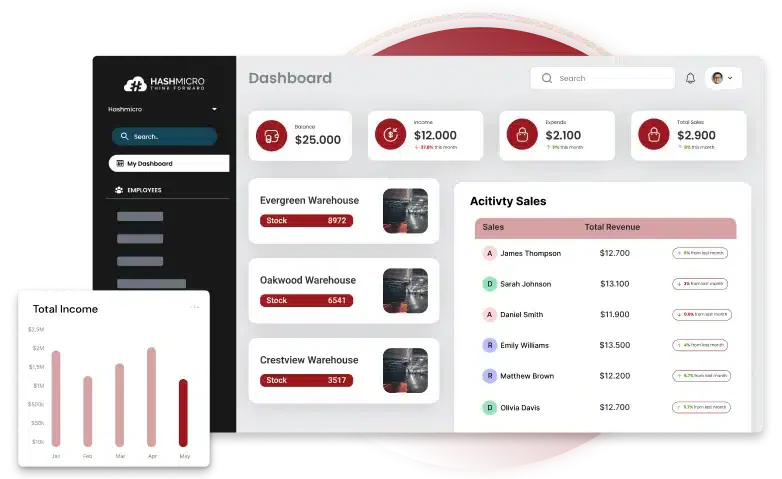
Why choose HashMicro? HashMicro provides industry-specific logistics solutions combining essential logistics functions with smart automation tailored to meet the unique needs of Malaysian businesses.
With over 2,000 satisfied clients, HashMicro is a leading provider of Logistics Management Software (LMS) in Malaysia, trusted by businesses of all sizes. HashMicro is dedicated to delivering top-notch solutions that help you optimize your logistics.
Moreover, it does not require a credit card to get started, a zero-cost demo for the software, which is an opportunity for companies wanting to see what it’s capable of.
HashMicro Logistics Software integrates seamlessly with other critical systems, including inventory systems, warehouse management system, and sales platforms. Whether you need to handle inventory, track shipments, or optimize delivery routes, HashMicro equips you with the tools to streamline your logistics operations.
Some of the key features that help eliminate logistics hurdles include:
- Real-Time Updates
- Vehicle Scheduling
- Fuel Management
- Delivery Tracking
- Fleet Management
- Report Generation
- Travel Management
| Pros | Cons |
|
|
HashMicro is a strong choice for Malaysian businesses seeking an all-in-one logistics solution with inventory, warehouse, fleet, and delivery management capabilities. Its seamless integrations, unlimited user access, and customizable features help companies streamline operations while supporting long-term business growth.
HashMicro offers transparent pricing with no hidden charges and competitive rates for its comprehensive services. If you want a personalized quote tailored to your business, click the banner below!
2. Infor
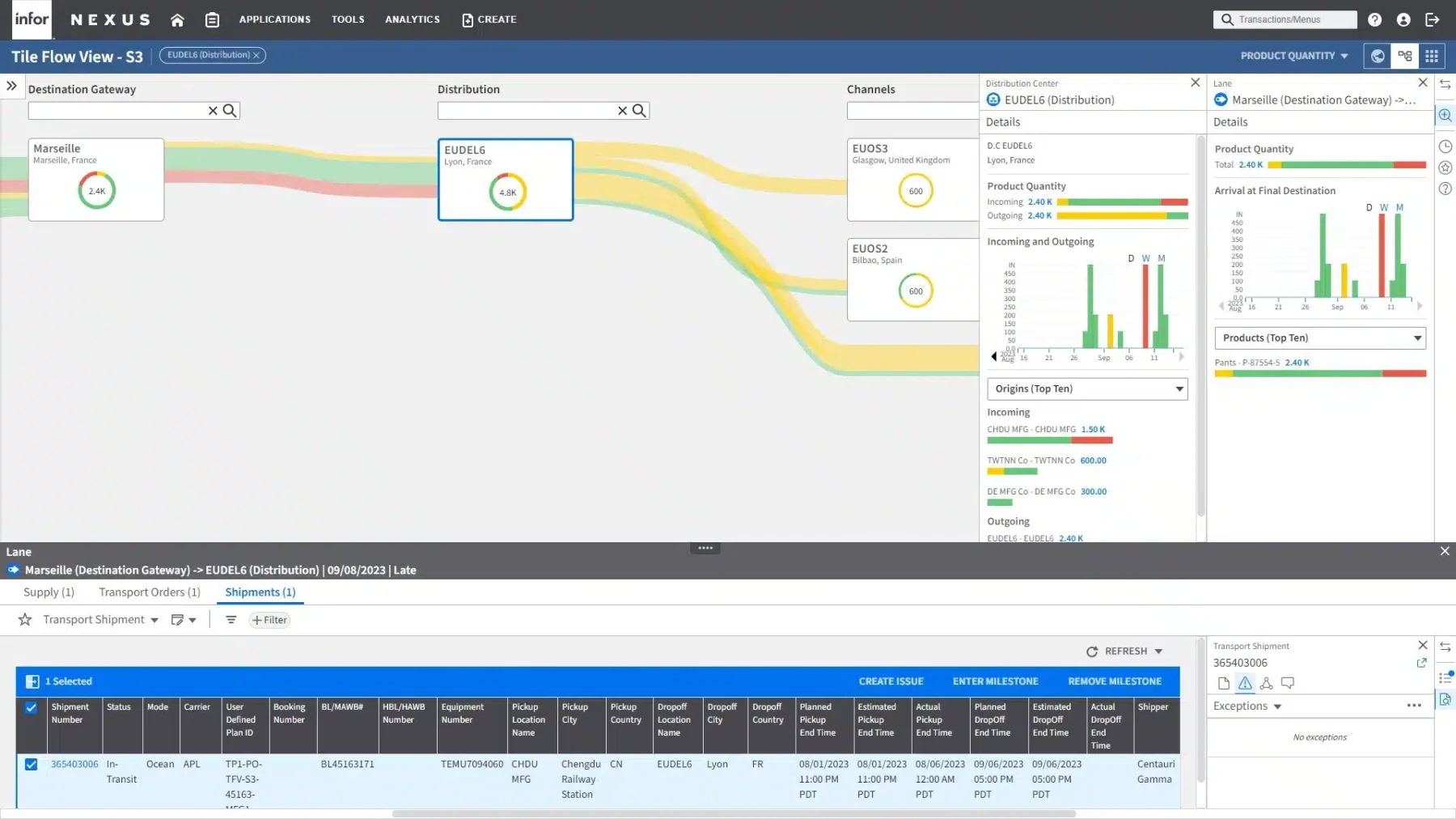
Infor Nexus is a global logistics management platform designed to boost inventory systems, custom delivery, order fulfillment, and trucking logistics. It supports diverse transportation modes including air, ocean, truck, and parcel, making it versatile for various supply chain needs.
Features:
- Efficient Route Planning
- Adaptable Tendering Process
- Customizable Scalability
- Improved Load Optimization
| Pros | Cons |
|
|
Infor is a strong choice for large enterprises that require advanced supply chain visibility and transportation management across multiple regions. Its comprehensive analytics, route optimization, and industry-specific capabilities help businesses gain better control over complex logistics operations while supporting long-term scalability.
3. Quixy
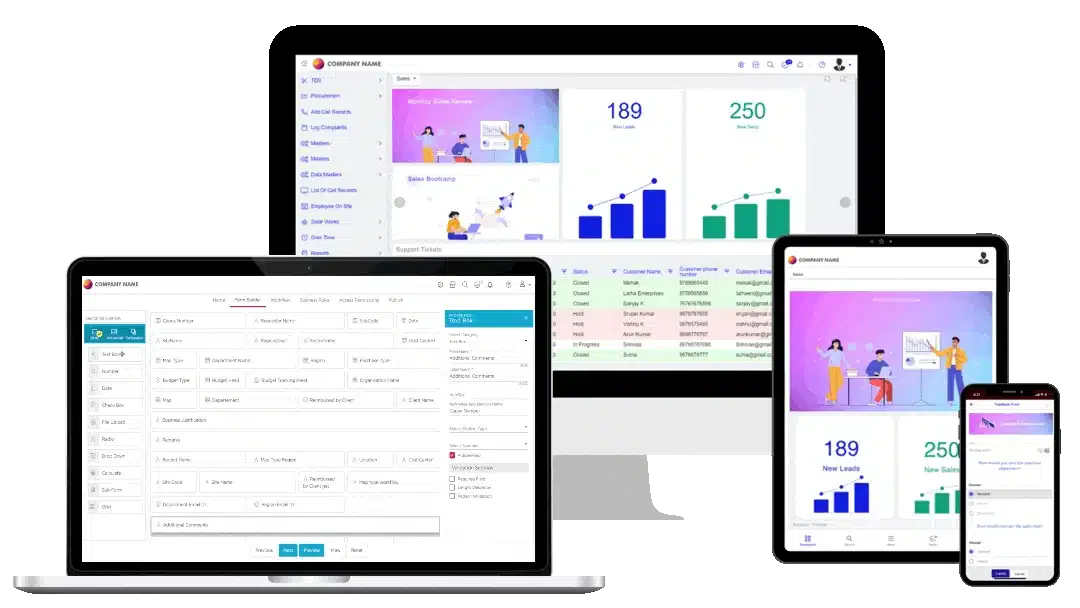
Quixy is a logistics app development provider offering a no-code/low-code platform for building and managing custom applications with ease. Its no-code logistics software lets users create tailored apps for operations like inventory management, order tracking, supply chain management, and freight management.
Features:
- Workflow Automation
- Real-Time Analytics
- Integration Capabilities
- Automated Notification and Alerts
| Pros | Cons |
|
|
Quixy is ideal for businesses seeking a flexible logistics solution without the need for extensive coding or software development resources. Its no-code platform allows teams to quickly build and customize logistics applications that align with their unique operational requirements.
4. Salesforce
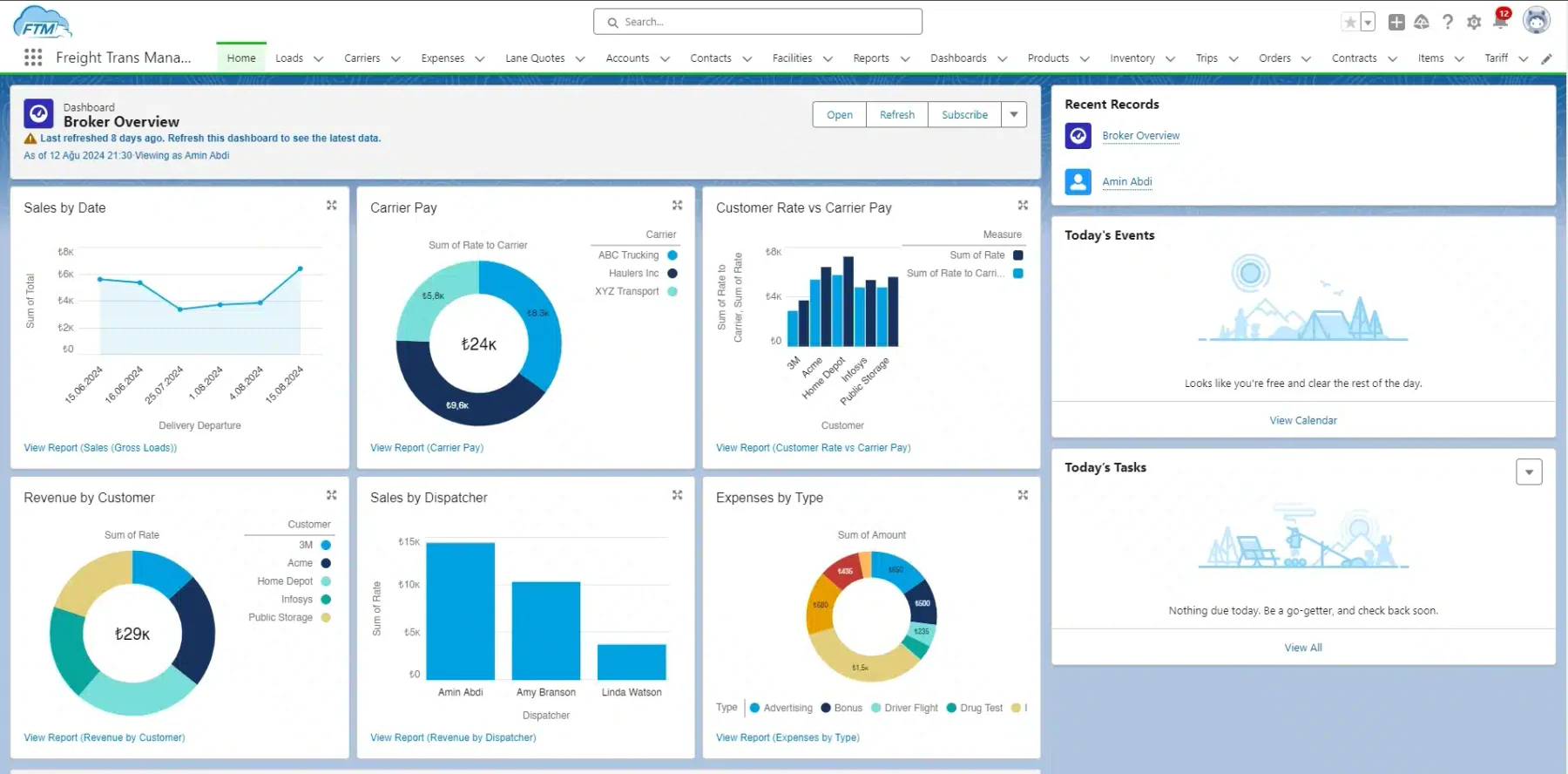
Salesforce for Transportation and Logistics Service Providers integrates smoothly with a CRM system, offering features like contact management, process automation, and shipment tracking. This helps businesses streamline logistics into a customer-focused operation with connected supply chains.
The platform enables you to transform logistics into a smooth, customer-focused operation with integrated supply chains and a comprehensive view of the shipping process.
Features:
- Unified Customer View
- Real-Time Shipment Tracking
- Automation and Process Optimization
- Advanced Analytics and Reporting
| Pros | Cons |
|
|
Salesforce stands out for organizations that want to combine logistics management with customer relationship management on a single platform. By connecting shipment tracking, customer data, and workflow automation, businesses can improve operational efficiency while delivering a better customer experience.
5. SAP Transportation Management
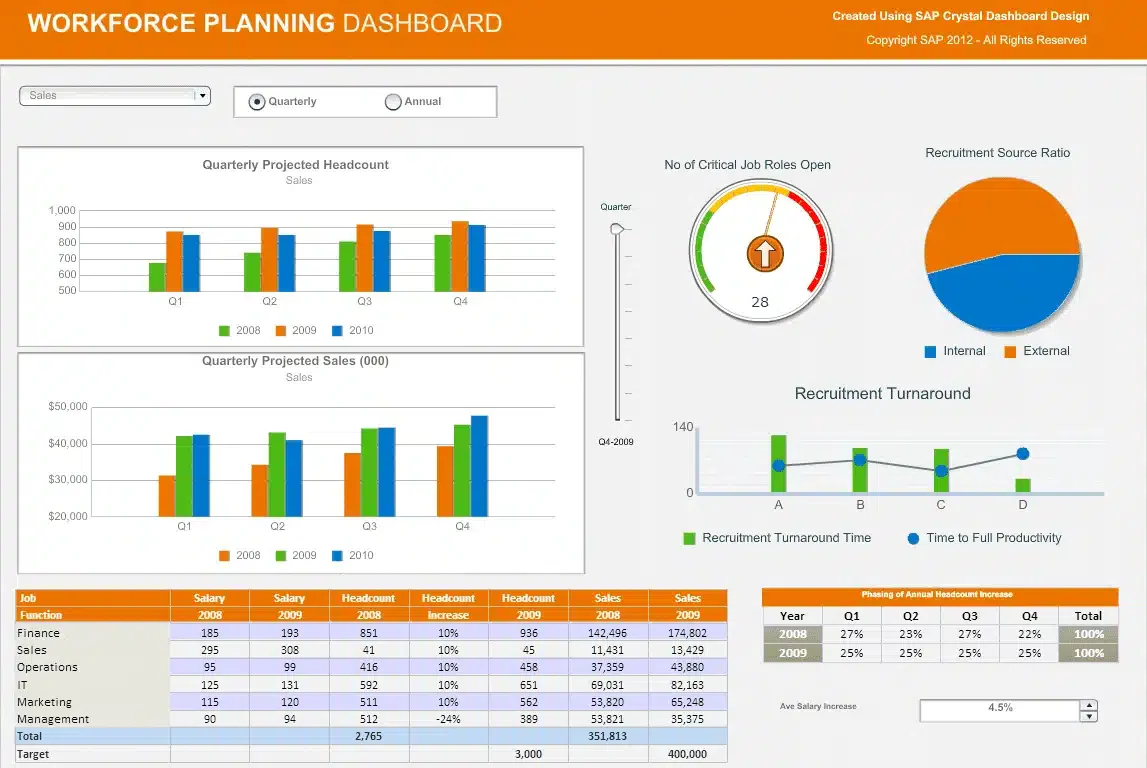
SAP Transportation Management (TM) plays a vital role in SAP’s design-to-operate strategy, focusing on optimizing digital supply chains. It supports both cloud and on-premises deployments, offering flexibility to manage freight planning, execution, and settlement for global and local supply chains.
Features:
- Efficient Route Planning
- Automation Powered by AI
- Adaptable Tendering Process
- Customizable Scalability
- Improved Load Optimization
- Logistics Execution
| Pros | Cons |
|
|
SAP Transportation Management is best suited for enterprises already using the SAP ecosystem. Its deep ERP integration, transportation planning capabilities, and support for global logistics operations help businesses streamline freight execution and maintain end-to-end supply chain visibility.
6. Acumatica
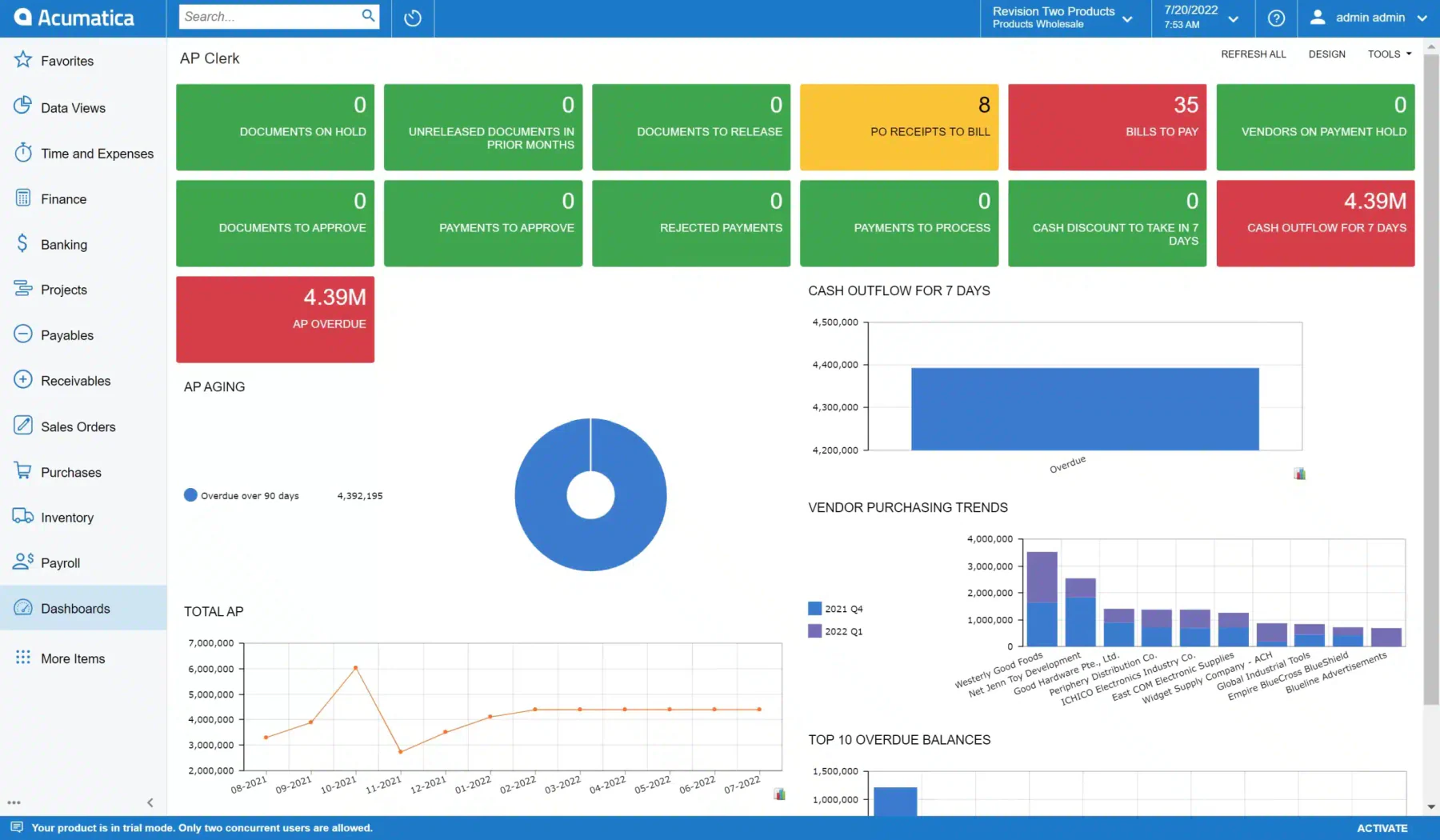
Acumatica is a cloud-based ERP platform that offers end-to-end logistics solutions, including inventory tracking, warehouse control, and order processing. It supports omnichannel sales and adjusts stock levels in real time.
It also integrates a built-in warehouse management system that helps optimize inventory movement and warehouse operations. Teams gain full visibility over stock, order statuses, and warehouse performance metrics.
With added CRM, advanced reporting, and a full accounting suite, Acumatica is ideal for Malaysian businesses looking for flexible and scalable logistics software that grows with their needs.
Features:
- Efficient Route Planning
- Adaptable Tendering Process
- Customizable Scalability
- Improved Load Optimization
| Pros | Cons |
|
|
Acumatica offers a flexible cloud-based ERP platform that combines logistics, inventory, warehouse, and financial management in one system. Its scalability and real-time visibility make it a practical option for growing businesses looking to manage operations more efficiently without switching between multiple applications.
7. Oracle Transportation Management
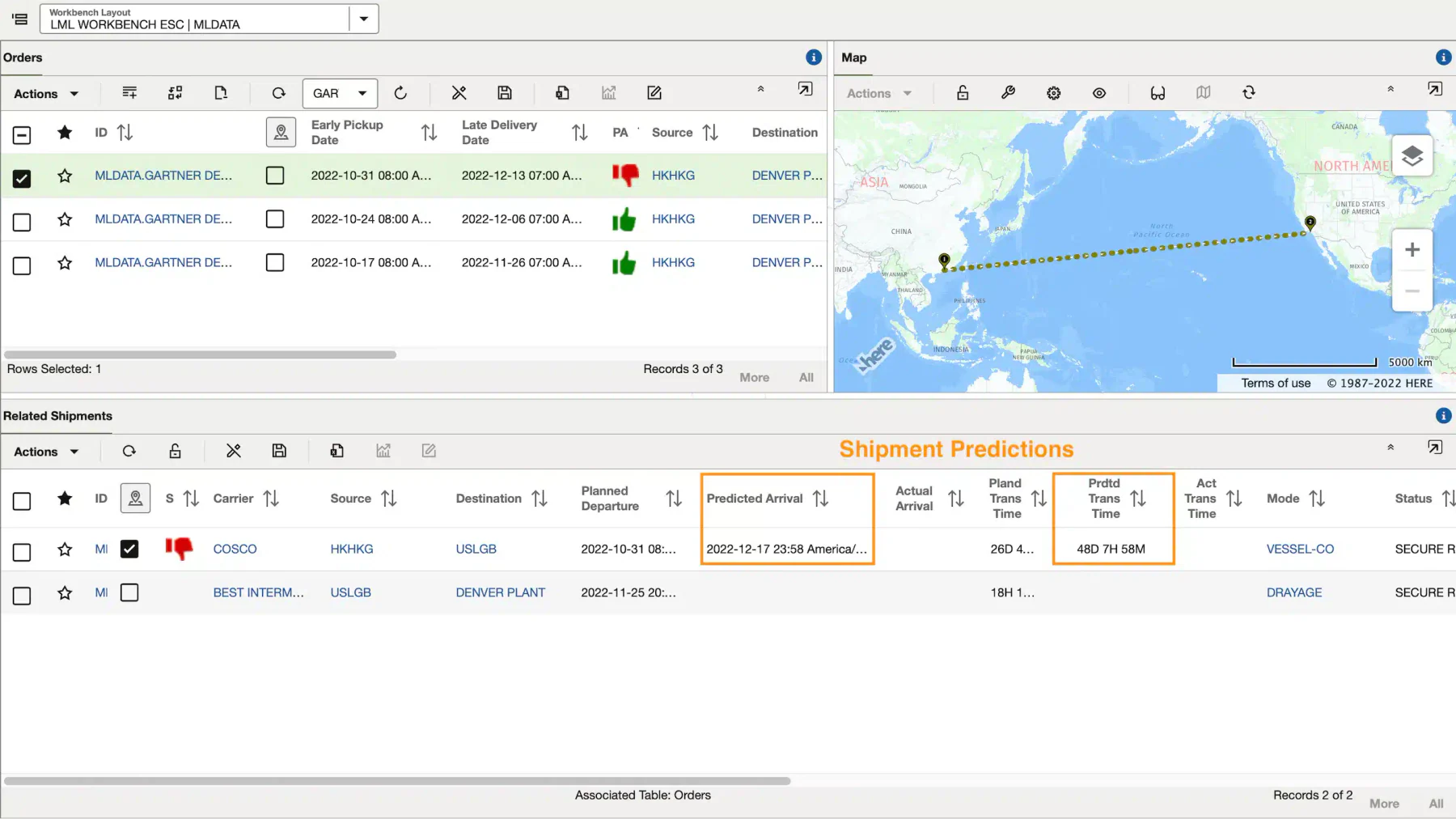
Oracle Transportation Management (OTM) is a cloud-based solution designed to streamline freight and delivery across complex supply chains. It handles order management, shipment planning, and freight auditing on a unified platform.
The system enables real-time tracking, helping businesses monitor delivery progress and act on delays quickly. It also uses advanced optimization to match shipments with the most efficient and cost-effective carriers and routes.
OTM is a strong fit for logistics-heavy sectors such as manufacturing and distribution in Malaysia. With support for multi-modal transport and ERP integration, it brings efficiency and visibility to your transportation operations.
Features:
- Pricing Management System
- Route Optimization
- Automated Task Management System
- Real-Time Network Modeling
- Forecasting Analysis
| Pros | Cons |
|
|
Oracle Transportation Management is a powerful solution for businesses handling large transportation networks and complex freight operations. With advanced route optimization, real-time shipment visibility, and enterprise-grade scalability, it helps organizations improve transportation efficiency while controlling logistics costs.
8. ClickUp
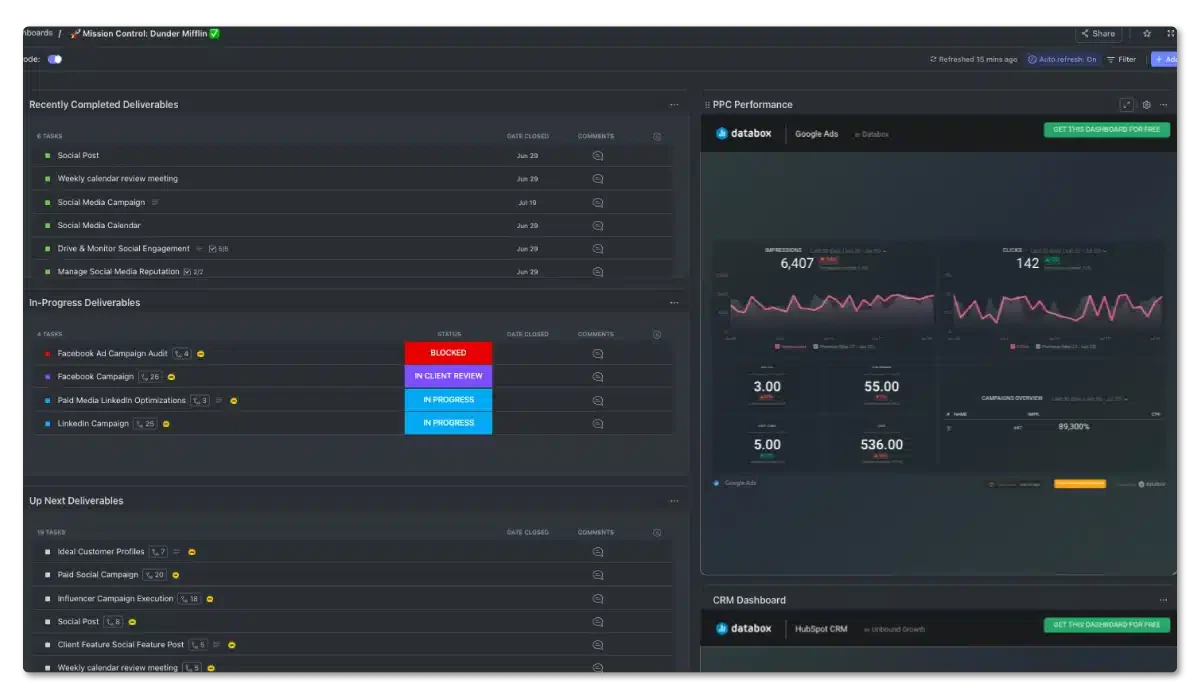
ClickUp is a cloud-based platform initially designed for project management but can also support logistics operations. It offers tools to track shipments, optimize delivery routes, and coordinate logistics teams in real time.
With its flexible interface, teams can manage order tracking, monitor inventory, and stay on top of shipping schedules, all within a single platform. It simplifies communication and keeps operations moving efficiently.
Features:
- Customizable Views for Task Management
- Real-Time Collaboration Tools
- Dashboard KPIs and Visual Widgets
- Document Syncing with Team Workflows
| Pros | Cons |
|
|
ClickUp is an excellent option for businesses that need a simple and highly customizable platform to coordinate logistics activities. Its collaborative workspace, flexible workflows, and real-time tracking tools make it suitable for teams that prioritize visibility and communication over specialized logistics functionality.
9. Trimble
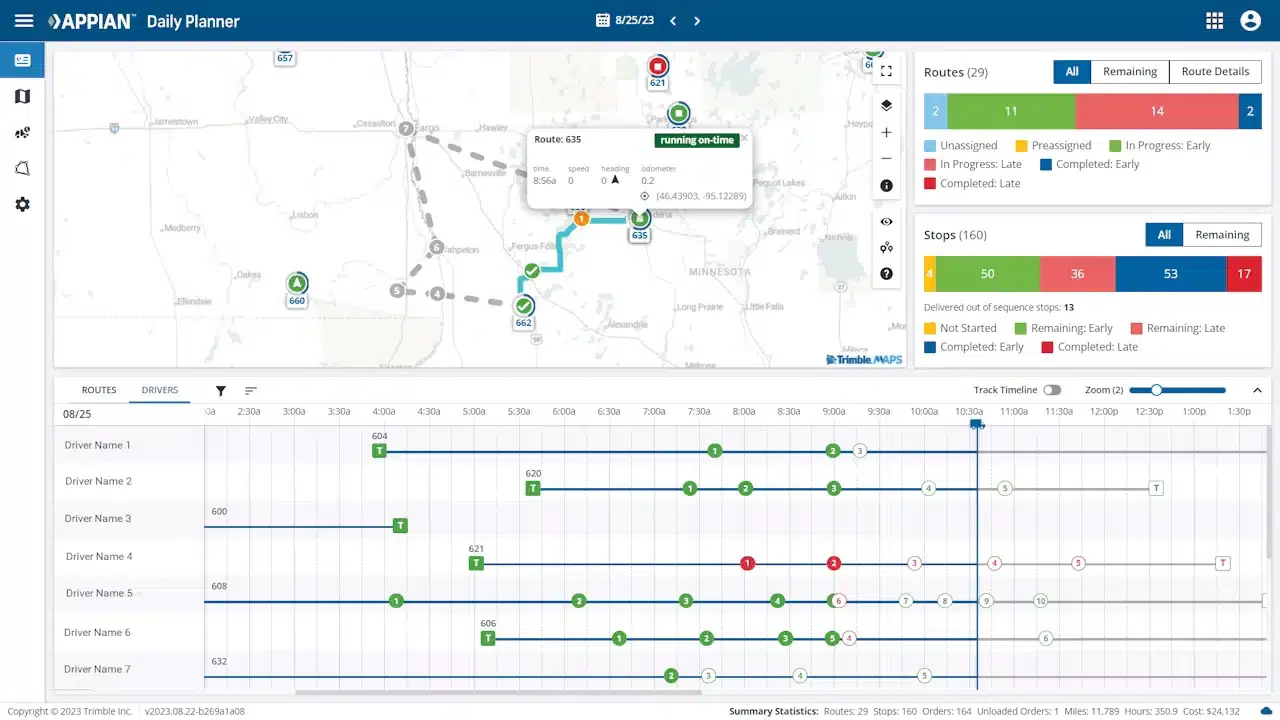
Trimble Fleet Mobility is a transportation management system that enhances operational efficiency through real-time tracking and intelligent route planning. It streamlines logistics workflows and provides tools for better visibility and control.
Businesses can optimize deliveries, reduce fuel costs, and improve driver performance using Trimble’s advanced data analytics. Its GPS tracking ensures fleet operations are monitored with precision across Malaysia.
Features:
- Optimized Asset Usage
- Seamless Integration Features
- Enhances Performance Management
- Data Analytics and Insights
| Pros | Cons |
|
|
Trimble is particularly beneficial for transportation-focused businesses that rely on fleet performance and route optimization. Its real-time GPS tracking, fleet visibility, and analytics capabilities help organizations improve delivery efficiency, reduce fuel consumption, and enhance operational control.
10. Fishbowl
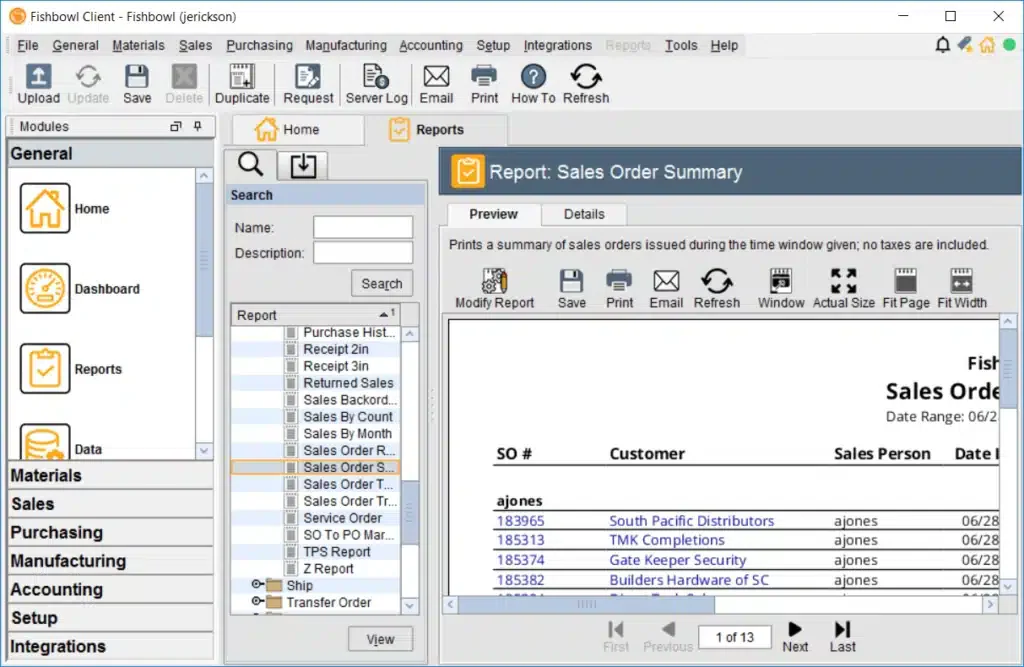
Fishbowl is a logistics management software designed to streamline inventory, warehouse, and production workflows. It offers two options: Fishbowl Drive for cloud-based access and Fishbowl Advanced for on-premise deployment, catering to different business setups.
Malaysian SMEs can manage daily logistics tasks efficiently without needing to overhaul their current systems. Fishbowl integrates seamlessly with accounting software like QuickBooks, helping businesses maintain smooth operations and accurate records
Features:
- Barcode-Enabled Inventory Management
- Automated Stock Counts
- Customizable Workflows for Manufacturing Automation
- Automated, Customizable Reporting
| Pros | Cons |
|
|
Fishbowl is a practical choice for SMEs looking to strengthen inventory and warehouse management without replacing their existing accounting systems. Its integration with QuickBooks and inventory-focused capabilities help businesses improve stock accuracy and operational efficiency.
11. Zoho
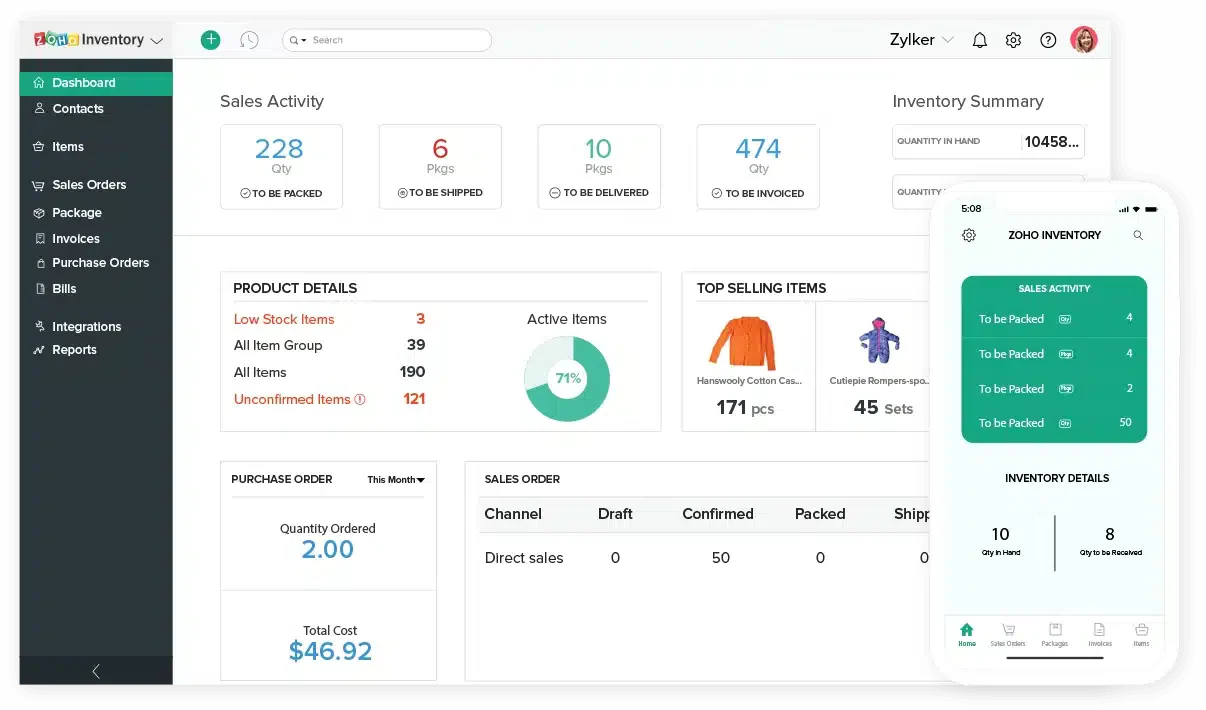
Zoho Inventory is a customizable and easy-to-use logistics management software designed to streamline deliveries, vehicle management, and driver coordination. Automated notifications and full mobile support ensure your logistics run smoothly at all times.
The platform’s dashboard consolidates vital information like orders, pending shipments, and trip revenues, offering real-time insights to help your team stay informed and responsive.
Features:
- Integration with Shipping Carriers
- Batch & Serial Number Tracking Across Channels
- Auto-reordering with Preferred Vendors
- Order & Trend Insights Reports
| Pros | Cons |
|
|
Zoho Inventory is well-suited for SMEs and e-commerce businesses managing multiple sales channels. Its user-friendly interface, automated inventory tracking, and integration with shipping carriers help businesses streamline fulfillment processes while maintaining accurate stock levels.
12. Brightpearl
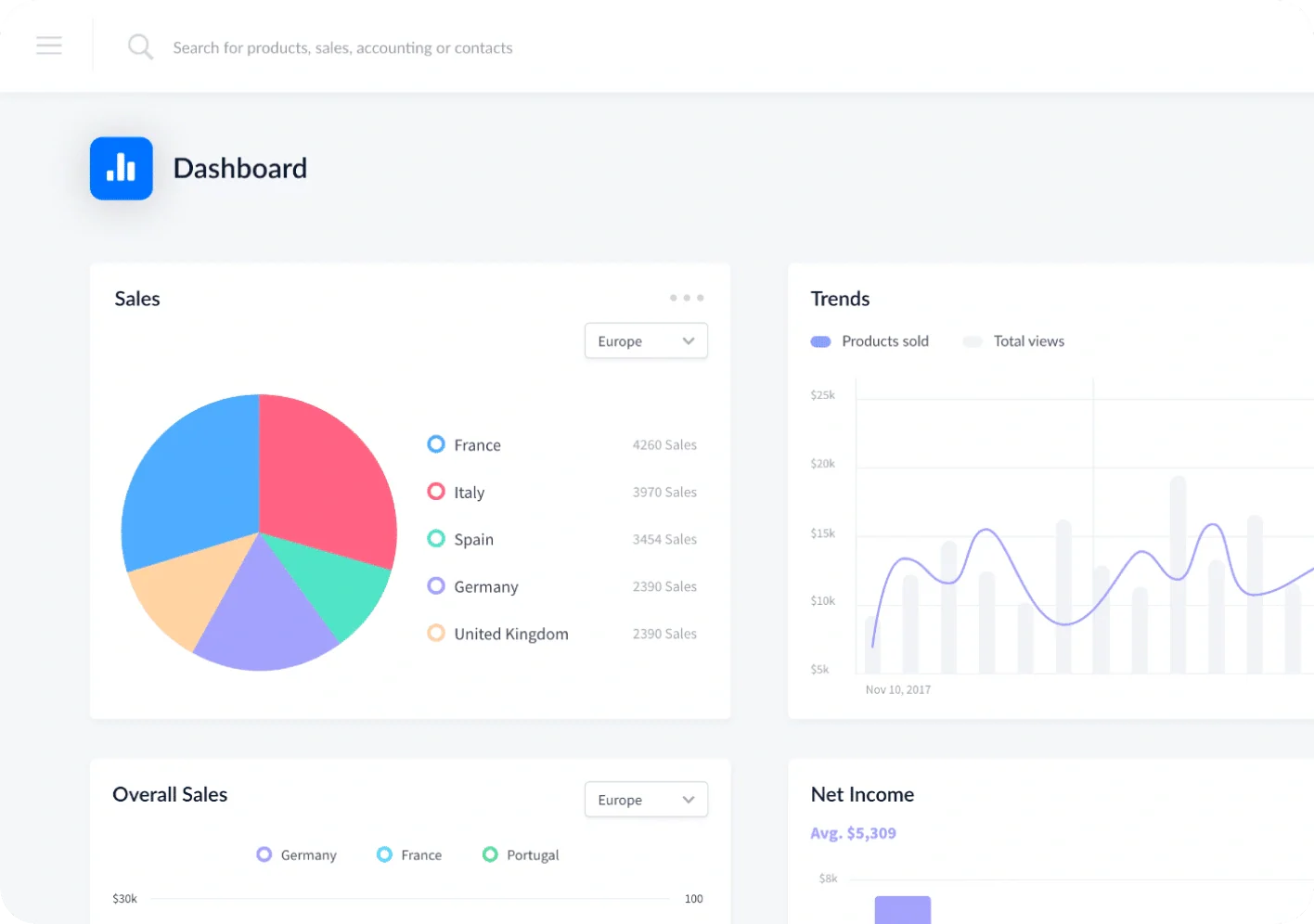
Brightpearl is a leading logistics software designed for retail operations, managing inventory planning, shipping, fulfillment, and order procurement. It also includes a retail-focused CRM to strengthen customer relationships.
Features:
- Inventory Buying Recommendations
- Multi-Channel Inventory & Order Management
- Intuitive Dashboard for Key Metrics
- Integrated Retail CRM
| Pros | Cons |
|
|
Brightpearl is designed specifically for retail and wholesale businesses that need integrated inventory, order, and customer management capabilities. Its retail-focused features help businesses synchronize sales and logistics processes while maintaining visibility across multiple channels.
Comprehensive Comparison of Logistics Software
| Provider | Real-Time Tracking | Fleet Management | ERP Integration | SST & LHDN Compliance |
|---|---|---|---|---|
| HashMicro | ||||
| Salesforce | ||||
| Acumatica | ||||
| Oracle TM | ||||
| ClickUp |
What You Should Look For in Logistics Software
Choosing the right logistics software is crucial because no single solution fits every business. Prices can vary widely, from a few hundred ringgit to several thousand. Therefore, here is what to consider when selecting the best logistics management software for your needs:
- Key features: First and foremost, ensure the software includes core functionalities essential for daily logistics operations, such as shipment tracking, fleet management, and inventory control. These are the tools you will use the most. In addition, the ideal system should offer real-time updates and intuitive dashboards so you can monitor critical metrics anytime, anywhere.
- Full supply chain view: Beyond core features, opt for software that provides a comprehensive overview of your entire logistics process, from packaging to last-mile delivery, while seamlessly integrating with distribution planning software to enable better decision-making and improve operational efficiency.
- Real-time tracking: The ideal system offers real-time updates and intuitive dashboards so you can monitor critical metrics anytime, anywhere.
- Seamless integrations: It should integrate smoothly with your existing CRM and ERP software to avoid data duplication and streamline workflows.
- Business fit & Scalability: Finally, look for a solution tailored to your company’s size, shipment volume, and product types. This ensures the software addresses your unique operational challenges rather than forcing you to adapt to a generic system. Most importantly, your chosen software must grow alongside your business without imposing high or hidden costs.
With these criteria in mind, your logistics management platform will support your business efficiently and evolve as your operations expand.
Which Logistics Software Suits My Business?
While logistics software improves visibility across inventory, deliveries, and warehouse operations, its greatest value comes from turning that information into better business decisions. The next section explores how logistics software supports decision-making and enables companies to improve efficiency, service quality, and overall supply chain performance.
| Business Profile | Recommended Software | Why It Fits |
|---|---|---|
| Malaysian SME needing fleet tracking, fuel management, and full ERP integration | HashMicro | GPS fleet tracking, fuel monitoring, SST and LHDN compliance, and native ERP integration. Local KL office with unlimited user access. |
| E-commerce or retail business managing last-mile delivery across Shopee, Lazada, and GrabExpress | Zoho or Brightpearl | Zoho suits SMEs syncing multi-channel inventory in real time. Brightpearl is stronger for retail businesses managing both online and offline fulfillment. |
| Transport or logistics company prioritizing fleet mobility and route optimization | Trimble or HashMicro | Trimble specializes in GPS fleet tracking and route planning. HashMicro adds ERP, inventory, and LHDN compliance in a single integrated platform. |
| Large enterprise running SAP ERP needing advanced multi-modal freight management | SAP Transportation Management | Native SAP ERP integration covering air, ocean, and road transport. Supports SST and LHDN via SAP DRC. Best for enterprises with complex cross-border logistics. |
| Manufacturer or distributor needing logistics connected to production planning and inventory | HashMicro or Oracle TM | HashMicro links logistics to manufacturing and procurement with local MY support. Oracle TM suits larger operations needing global freight optimization. |
| Business needing CRM-integrated logistics for customer-facing delivery coordination | Salesforce | Unified CRM and shipment tracking in one platform. Best for B2B distributors where customer management and logistics are closely linked. |
| SME using QuickBooks wanting to upgrade inventory and fulfillment without switching systems | Fishbowl | Deep QuickBooks integration extends inventory and fulfillment capabilities without disrupting existing accounting workflows. Local MY support is limited. |
| Growing business needing flexible cloud logistics without complex implementation | Acumatica | Cloud ERP with logistics, inventory, and warehouse modules. Usage-based pricing suits businesses scaling across multiple locations. |
Conclusion
Choosing the right logistics software is essential for Malaysian businesses aiming to improve operational efficiency, cut costs, and gain real-time visibility throughout their supply chains. Specifically, features like fleet management, automated tracking, and smooth ERP integration play a key role in enhancing overall logistics performance.
In particular, HashMicro’s logistics management software stands out by providing all of these benefits in one integrated platform. With tools for vehicle scheduling, fuel monitoring, and detailed reporting, it helps businesses streamline deliveries, minimize delays, and make smarter data-driven decisions. Moreover, it is fully customizable and scalable to match your business growth.
Therefore, if you are ready to elevate your logistics operations, book a free demo today and see how HashMicro can empower your business to stay efficient and competitive in today’s fast-paced market.

FAQ about Logistics Software
What is CRM in logistics?
CRM in logistics refers to using customer relationship management systems to improve communication, customer service, and delivery experiences. In Malaysia, logistics companies often use CRM tools to track orders, manage customer inquiries, monitor service history, and maintain strong relationships with clients across retail, manufacturing, and e-commerce sectors.
Can logistics software integrate with e-commerce platforms?
Yes. Most modern logistics software can integrate with popular e-commerce platforms used in Malaysia, such as Shopee, Lazada, Shopify, and WooCommerce. This integration enables automated order processing, inventory synchronization, shipment tracking, and delivery notifications, helping businesses fulfill orders more efficiently.
Is cloud-based logistics software secure?
Yes. Reputable cloud-based logistics software providers implement advanced security measures such as data encryption, multi-factor authentication, and regular security audits. Many solutions also comply with international security standards, helping Malaysian businesses protect sensitive operational and customer data while maintaining system accessibility from multiple locations.
What are the 7 pillars of logistics?
The seven pillars of logistics are often referred to as delivering the right product, in the right quantity, in the right condition, to the right place, at the right time, for the right customer, and at the right cost. These principles help businesses optimize supply chain performance and customer satisfaction.
What is the best logistics software for businesses in Malaysia?
The best logistics software depends on your business size, operational complexity, and industry requirements. Malaysian businesses often look for solutions that offer inventory management, warehouse management, fleet tracking, delivery monitoring, and integration with existing business systems. Platforms such as HashMicro, SAP, Oracle Transportation Management, and Infor are commonly considered based on different business needs.
What role does data analytics play in logistics software?
Data analysis of logistics software identifies trends and inefficiencies that exist in supply chain operations. It helps firms make informed choices by way of demand forecasting, inventory optimization, and delivery route optimization, reducing expenditure and increasing profitability.