





Managing a workforce in Malaysia today demands more than just filling shifts. One miscalculated overtime entry or one missed rest day can quickly turn into payroll corrections and employee dissatisfaction. If you oversee shift based teams, you already understand how small gaps in coordination can create larger operational problems.
Spreadsheets and messaging apps may seem efficient at first. But as your business expands across multiple outlets or handles seasonal peaks like festive promotions and public holidays, manual tracking starts to limit your visibility. You spend more time correcting schedules than improving performance.
If your goal is stronger payroll accuracy, better shift control, and clearer alignment with Malaysian labor requirements, you need a structured approach to workforce management. Before deciding which system fits your organization, it helps to understand what impact the right solution should deliver.
Key Takeaways
|
Managing a workforce effectively goes beyond scheduling and attendance — it requires the ability to connect shift data to payroll, monitor productivity across teams, and flag compliance gaps before they become HR issues.
What Workforce Management Software Changes in Your Daily Operations
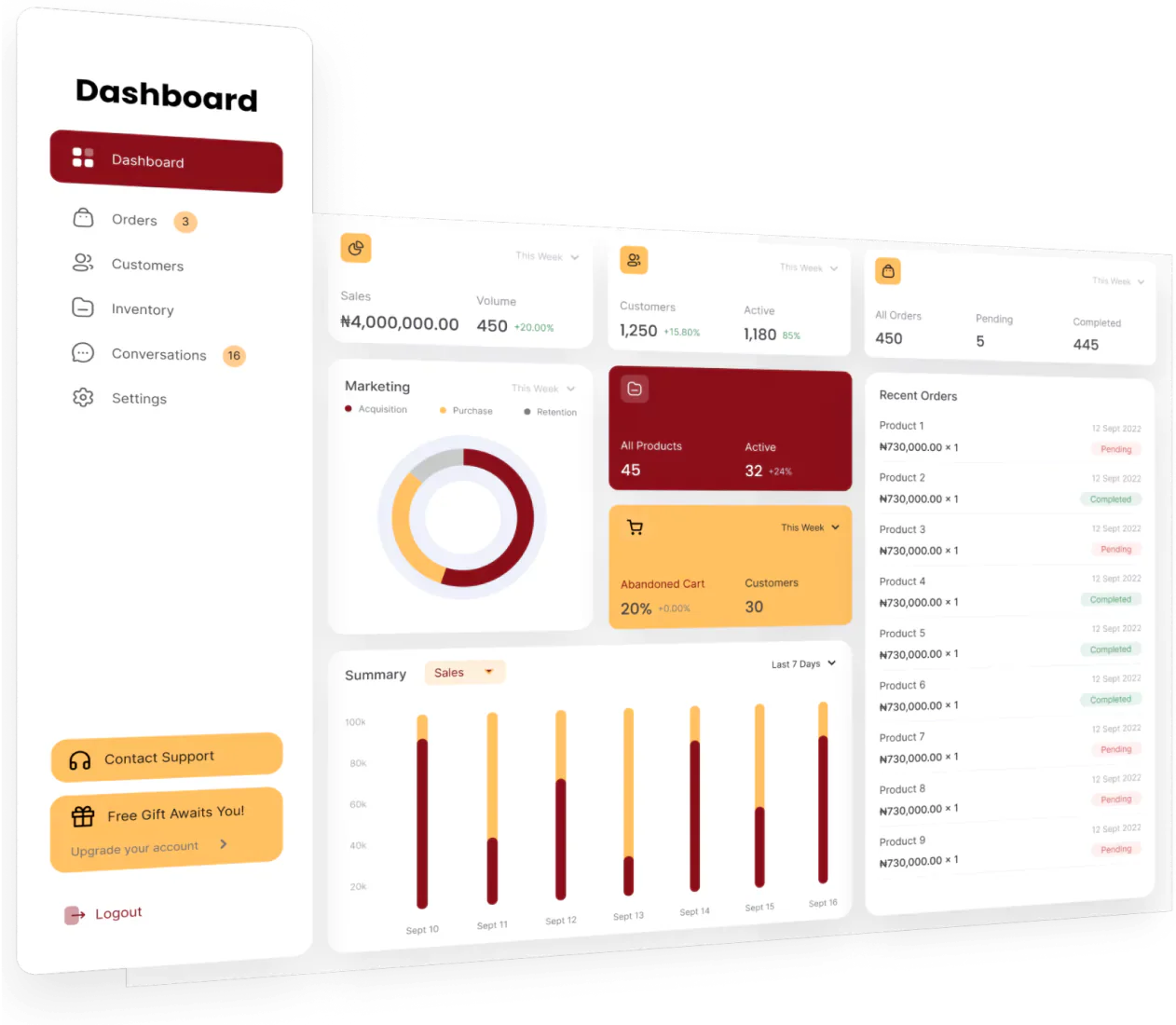
Workforce management software allows you to organize scheduling, attendance tracking, overtime monitoring, and leave management within one system. Instead of relying on scattered records, you gain centralized workforce visibility.
When you integrate this system with payroll and HR processes, you reduce duplicate data entry and minimize payroll discrepancies. This supports a more reliable payroll accuracy improvement process and lowers the risk of internal disputes.
If you operate retail stores, manage F and B outlets during peak seasons, or supervise manufacturing shifts, real time workforce tracking becomes essential. You need clarity on who is scheduled, who is present, and how working hours affect overall labor cost.
Why Workforce Management Software Matters in Malaysia?

- More structured shift planning
You allocate shifts based on operational demand and employee availability. When unexpected leave occurs, you adjust the roster efficiently without disrupting overall service levels. - Clear attendance documentation
Real time clock in and clock out tracking reduces ambiguity around total working hours. This supports transparent payroll calculations and better workforce accountability. - Alignment with Malaysian labor regulations
Under the Employment Act 1955, employers must regulate working hours, overtime compensation, rest days, and public holidays carefully. A system that supports a structured overtime approval workflow helps you monitor thresholds and maintain proper documentation. This strengthens your internal workforce compliance strategy in Malaysia. - Data driven manpower decisions
You review absenteeism trends, overtime frequency, and labor cost allocation in one dashboard. With better visibility, you plan manpower allocation proactively instead of reacting after costs escalate. - Improved employee transparency
When employees access schedules and submit leave digitally, misunderstandings decrease. This clarity supports a healthier performance management environment.
If you want a quicker way to narrow down your options, you can start with the top performers that offer the best balance of features, scalability, and business value. The shortlist below highlights five workforce management software solutions worth prioritizing.

Best Because Best for enterprises that need reliable payroll processing and strong global compliance.
Best Because Best for SMEs looking for a flexible, affordable, and easy-to-use cloud HR system.

After reviewing the top 5 recommendations, a quick comparison can help you spot the key differences. The table below highlights how each option stacks up across essential criteria.
| Software | Strength | Malaysia Support |
|---|---|---|
HashMicro Workforce Management |
All-in-one workforce system with scheduling, attendance, payroll, and performance tracking | Built for Southeast Asia with strong Malaysia workflow alignment, multi-branch support, and local implementation (Bahasa Melayu) |
ADP Workforce |
Enterprise-grade payroll and HR management with strong compliance governance | Supports global payroll standards including Malaysia compliance frameworks |
BambooHR |
Simple and user-friendly HR system for employee data and time-off tracking | Suitable for Malaysian SMEs needing basic HR workflows without complexity |
Paycor |
Integrated HR, payroll, and recruiting with structured analytics and reporting | Supports growing Malaysian businesses needing HR process formalization |
Workday |
Advanced enterprise HR with workforce analytics and finance integration | Ideal for large Malaysian enterprises with complex structures and planning needs |
Deel Workforce |
Global payroll and compliance platform for remote teams | Supports Malaysian companies hiring internationally with cross-border compliance |
Connecteam |
Mobile-first workforce coordination with communication and task tools | Great for Malaysian frontline industries like retail, logistics, and F&B |
Rippling |
Unified HR and IT management with payroll and onboarding automation | Useful for Malaysian startups needing centralized HR and system access control |
Remofirst |
Employer of Record solution for global hiring and payroll | Helps Malaysian companies hire internationally without local entity setup |
Paylocity |
Comprehensive HR, payroll, and employee engagement platform | Suitable for mid-to-large Malaysian companies improving productivity and engagement |
Infor WFM |
Advanced workforce scheduling and labor forecasting system | Ideal for Malaysian manufacturing and logistics sectors |
Zoho People |
Cloud HR platform with attendance, performance, and Zoho integrations | Affordable option for Malaysian SMEs using cloud-based tools |
UKG Ready |
End-to-end HR, payroll, and workforce lifecycle management | Supports Malaysian companies needing compliance and structured HR processes |
Dayforce |
Real-time payroll and workforce analytics with predictive insights | Suitable for Malaysian enterprises needing real-time labor cost control |
Connect HR |
Simple HR, payroll, and compliance automation platform | Best for Malaysian SMEs with straightforward workforce management needs |
15 Best Workforce Management Software for Your Business
Below are 15 workforce management solutions you can evaluate based on your operational needs and long term workforce strategy.
1. HashMicro Workforce Management Software
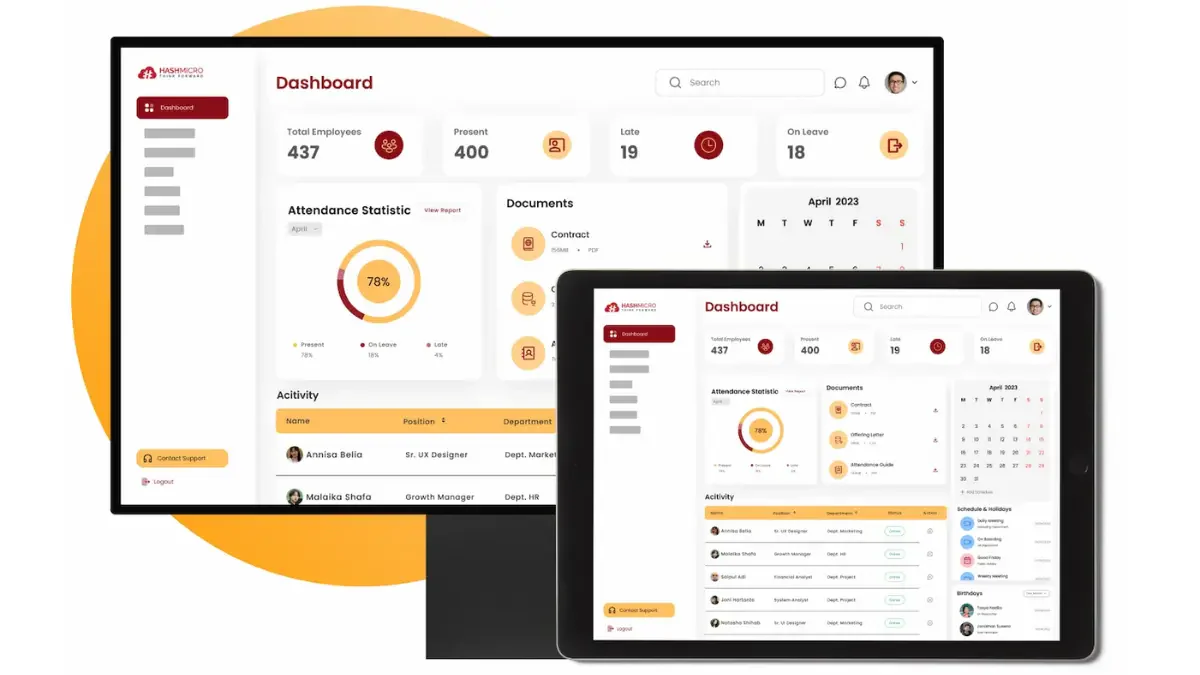
HashMicro Workforce Management Software supports scheduling, attendance tracking, payroll integration, and performance monitoring within a unified system. If you manage multiple branches or shift based teams, centralized workforce data becomes easier to control.
Key features:
- Roster and dynamic employee schedule management that adapts to operational changes
- Facial recognition and GPS based attendance tracking for stronger accountability
- Payslip management for daily and hourly workers based on recorded work hours
- Comprehensive performance analysis with KPI tracking and nine box matrix evaluation
- Talent management and career development planning tools
Why this suits Malaysian businesses: HashMicro is built within the Southeast Asian ecosystem, making it well aligned with Malaysian operational needs. It supports multi-branch workforce structures, local attendance practices, and compliance-friendly payroll workflows. With strong configuration flexibility and Bahasa Melayu implementation support, it is suitable for SMEs to mid-sized enterprises looking for scalable HR automation.
| Pros | Cons |
|
|
2. ADP workforce
ADP Workforce emphasizes payroll processing and compliance management. If payroll stability and structured HR governance form your main priority, this platform provides an established foundation.
Key features:
- Payroll processing
- Benefits administration
- Time and attendance tracking
- Talent management
Why this suits Malaysian businesses: ADP is well suited for companies that prioritize stable payroll processing and global HR compliance standards. Its strong governance framework helps multinational or export-oriented companies manage workforce payments consistently across regions, including Malaysia.
| Pros | Cons |
|
|
3. BambooHR
BambooHR offers a simplified HR management approach suitable for small to mid sized organizations. It centralizes employee data and time off tracking without heavy system configuration.
Key features:
- Employee self service portal
- Time off tracking
- Payroll integration
- Performance management tools
Why this suits Malaysian businesses: BambooHR is ideal for Malaysian SMEs that want a simple, easy-to-use HR system without complex setup. Its clean interface and fast deployment make it suitable for growing teams that need centralized employee data and basic HR workflows.
| Pros | Cons |
|
|
4. Paycor
Paycor integrates HR, payroll, and recruiting capabilities into one cloud based solution. It supports organizations seeking structured reporting and workforce analytics.
Key features:
- HR and payroll integration
- Time tracking
- Recruiting and talent tools
- Compliance monitoring
Why this suits Malaysian businesses: Paycor suits organizations in Malaysia that are scaling and need structured HR reporting and recruitment tools. It supports better workforce visibility, especially for companies formalizing their HR processes.
| Pros | Cons |
|
|
5. Workday
Workday connects HR and financial data to support enterprise level workforce planning. If you require advanced workforce analytics and integrated financial oversight, this platform delivers broader functionality.
Key features:
- Workforce analytics
- Talent management
- Recruitment and onboarding
- Payroll and benefits administration
Why this suits Malaysian businesses: Workday is suitable for large enterprises in Malaysia that require advanced workforce analytics and integrated HR-finance systems. It supports complex organizational structures and strategic workforce planning.
| Pros | Cons |
|
|
6. Deel workforce
Deel supports international workforce management, especially for remote or distributed teams. It simplifies cross border payroll and compliance handling.
Key features:
- Global payroll
- Contract automation
- Employee onboarding
- Tax compliance support
Why this suits Malaysian businesses: Deel is ideal for Malaysian companies hiring remote talent or expanding globally. It simplifies cross-border payroll, contractor management, and compliance for international workforce operations.
| Pros | Cons |
|
|
7. Connecteam
Connecteam focuses on mobile first workforce coordination. It suits frontline teams that rely heavily on real time communication.
Key features:
- Time tracking
- Team communication
- Task management
- Training tools
Why this suits Malaysian businesses: Connecteam is well suited for Malaysian frontline industries such as retail, logistics, and F&B. Its mobile-first approach supports real-time communication and shift coordination for deskless workers.
| Pros | Cons |
|
|
8. Rippling
Rippling integrates HR and IT management in one ecosystem. It allows centralized control over payroll, onboarding, and system access.
Key features:
- Payroll and benefits management
- IT system integration
- Employee onboarding and offboarding
- Compliance tracking
Why this suits Malaysian businesses: Rippling fits Malaysian companies that want to unify HR and IT management in one system. It is especially useful for fast-growing startups managing employees, devices, and system access centrally.
| Pros | Cons |
|
|
9. Remofirst
Remofirst operates as an employer of record for global hiring. It manages payroll and compliance across multiple jurisdictions.
Key features:
- Global payroll
- Benefits administration
- Onboarding automation
- Tax compliance
Why this suits Malaysian businesses: Remofirst is suitable for Malaysian companies hiring international employees without setting up foreign entities. It simplifies global payroll, onboarding, and compliance across multiple countries.
| Pros | Cons |
|
|
10. Paylocity
Paylocity is a comprehensive workforce management platform that streamlines HR, payroll, time tracking, and benefits administration in a single, user-friendly system. With advanced reporting, employee engagement tools, and a robust mobile app, businesses can automate processes while enhancing workplace productivity and culture.
Key features:
- Payroll management
- Time tracking
- Benefits administration
- Employee self service
Why this suits Malaysian businesses: Paylocity suits mid to large organizations looking for an all-in-one HR platform with strong employee engagement features. It helps improve workforce productivity through integrated HR and communication tools.
| Pros | Cons |
|
|
11. Infor WFM
Infor Workforce Management supports complex scheduling and labor forecasting, especially in manufacturing and logistics environments.
Key features:
- Workforce forecasting
- Real time scheduling
- Labor cost monitoring
- Compliance tracking
Why this suits Malaysian businesses: Infor WFM is ideal for Malaysian manufacturing, logistics, and supply chain-heavy industries. It supports advanced labor forecasting and shift optimization for complex operations.
| Pros | Cons |
|
|
12. Zoho People
Zoho People is a cloud-based HR management platform that streamlines employee data, attendance, and performance through an intuitive and mobile-friendly interface. It supports recruitment, leave requests, and performance tracking while integrating seamlessly with the Zoho suite and other tools for flexible workforce management.
Key features:
- Employee database
- Attendance tracking
- Learning management tools
Why this suits Malaysian businesses: Zoho People is a good fit for Malaysian SMEs that need affordable and flexible HR software. Its integration with the Zoho ecosystem makes it suitable for businesses already using cloud-based tools.
| Pros | Cons |
|
|
13. UKG Ready
UKG Ready is a cloud-based workforce management solution that unifies HR, payroll, time tracking, and employee lifecycle management on a single platform. With mobile access and robust compliance tools, it streamlines daily HR tasks while helping businesses stay compliant with labor regulations.
Key features:
- Employee lifecycle management
- Payroll processing
- Performance tracking
- Mobile accessibility
Why this suits Malaysian businesses: UKG Ready is suitable for Malaysian companies that require strong compliance, structured HR processes, and mobile workforce management. It supports end-to-end employee lifecycle management.
| Pros | Cons |
|
|
14. Dayforce
Dayforce by Ceridian is a real-time workforce management platform that integrates HR, payroll, and operations into a single, data-driven system. Predictive analytics and continuous pay calculations enable businesses to make faster decisions, enhance scheduling, and increase overall efficiency.
Key features:
- Real time payroll processing
- Workforce scheduling
- Predictive analytics
- Employee self service
Why this suits Malaysian businesses: Dayforce is ideal for Malaysian enterprises that need real-time payroll processing and advanced workforce analytics. It helps optimize labor costs and improve decision-making efficiency.
| Pros | Cons |
|
|
15. Connect HR
Connect HR is a flexible cloud-based platform that automates HR, payroll, time tracking, and compliance processes to reduce manual workload. With built-in legal compliance and mobile access, it helps businesses stay audit-ready while streamlining workforce operations.
Key features:
- Time tracking
- Benefits management
- Mobile accessibility
- Compliance monitoring
Why this suits Malaysian businesses: Connect HR is suitable for Malaysian SMEs with straightforward HR needs. It offers simple attendance tracking and compliance-focused HR management with easy implementation.
| Pros | Cons |
|
|
Overall Comparison of Workforce Management Software in Malaysia
| Provider | Time & Attendance | Shift & Rostering | Payroll & Compliance | Mobile Self-Service |
|---|---|---|---|---|
| HashMicro | ||||
| ADP workforce | ||||
| BambooHR | ||||
| Paycor | ||||
| Workday | ||||
| Deel | ||||
| Connecteam | ||||
| Rippling |
How to Choose the Right Workforce Management Software

Start with your real operational challenges: Identify whether overtime control, shift overlap, payroll corrections, or attendance visibility creates the biggest impact on your operations.
Assess scalability: Choose a system that supports multi branch expansion and structured reporting across Malaysia.
Review integration capability: Ensure seamless connection with payroll and HR systems to protect data consistency and strengthen your workforce data management framework.
Evaluate usability: Managers and employees should navigate scheduling and approval workflows without extensive training.
Test real operational scenarios: During evaluation, simulate overtime approvals, public holiday rotations, and shift swaps. This approach helps you measure how well the system supports daily operations.
Confirm compliance alignment: The system should help you monitor overtime thresholds, rest day allocations, and documentation aligned with Malaysian employment regulations.
Balance cost with operational value: Look beyond subscription fees. Consider how much time efficiency, payroll stability, and administrative clarity the system contributes to your long term workforce strategy.
Which Workforce Management Software Suits The Most for Your Business?
Choosing the right workforce management software depends on your business size, operational needs, and workforce structure. Instead of comparing features one by one, it’s more effective to match solutions with your specific use case. The decision matrix below helps you quickly find the most suitable software based on common business scenarios.
| Business Scenario | Recommended Software | Why It Fits |
|---|---|---|
Small businesses or startups with simple workforce needs |
BambooHR or Connect HR | Both offer simple, user-friendly HR and workforce management features with quick setup, making them ideal for small Malaysian teams with limited HR resources. |
SMEs looking for affordable and flexible workforce management |
Zoho People or Connecteam | Zoho People provides affordable HR tools with cloud flexibility, while Connecteam offers mobile-first workforce coordination for deskless teams. |
Growing companies needing scalable workforce and HR systems |
HashMicro Workforce Management or Paycor or Paylocity | HashMicro offers strong customization and scalability, while Paycor and Paylocity provide structured HR, payroll, and analytics for growing organizations. |
Companies managing shift-based or multi-branch operations |
HashMicro Workforce Management or Connecteam | Both support scheduling, attendance tracking, and real-time workforce coordination, ideal for retail, F&B, and operational teams. |
Businesses prioritizing strong payroll and compliance governance |
ADP Workforce or UKG Ready | Both platforms provide structured payroll processing and compliance tools suitable for Malaysian companies needing reliable governance. |
Enterprises needing advanced workforce analytics and planning |
Workday or Dayforce | Workday offers deep workforce analytics and finance integration, while Dayforce provides real-time payroll and predictive insights. |
Companies hiring remote or international teams |
Deel Workforce or Remofirst | Both specialize in global payroll, compliance, and contractor management, helping Malaysian companies expand internationally. |
Fast-growing startups needing HR + IT integration |
Rippling | Rippling unifies HR, payroll, and IT system management, making it ideal for startups managing employees, devices, and access in one place. |
Manufacturing or logistics companies with complex scheduling |
Infor WFM | Infor WFM provides advanced labor forecasting, scheduling, and cost control for industries with operational complexity. |
Mid-to-large companies focusing on employee engagement and productivity |
Paylocity | Paylocity combines workforce management with engagement tools and mobile access to improve productivity and culture. |
Frontline industries needing mobile workforce coordination |
Connecteam | Connecteam is optimized for mobile use, enabling real-time communication, scheduling, and task management for deskless workers. |
Companies seeking simple HR systems with fast implementation |
BambooHR or Zoho People | Both platforms are easy to deploy and manage, suitable for Malaysian SMEs needing quick HR digitalization. |
Organizations requiring structured HR lifecycle management |
UKG Ready or Paycor | Both support end-to-end employee lifecycle processes, including onboarding, performance tracking, and payroll. |
Businesses needing customizable and integrated workforce solutions |
HashMicro Workforce Management or Rippling | HashMicro offers deep customization and ERP integration, while Rippling provides a broad integration ecosystem. |
Companies aiming for real-time workforce visibility and cost control |
Dayforce or Infor WFM | Both platforms provide real-time data, labor cost monitoring, and forecasting tools to improve decision-making. |
Conclusion
If you manage shift based teams in Malaysia, workforce management software can help you reduce payroll corrections, prevent scheduling chaos, and improve transparency across outlets and teams. More importantly, it gives you a consistent way to control attendance and overtime data so monthly closing feels predictable.
To choose well, focus on the problems that cost you the most time today, then test solutions against real operating conditions. When the platform fits your workflow and supports compliance documentation cleanly, you will feel the impact in fewer disputes, better visibility, and smoother operations.
HIf you want to see how a structured WFM setup would work for your team, you can explore HashMicro through a free demo. Use it to test real scenarios like shift swaps, overtime approvals, and multi branch scheduling, so you can decide whether the workflow fits your daily operations before committing.

FAQ About Workforce Management Software
What is workforce management software?
It helps you schedule shifts, track attendance, manage overtime, and handle leave in one system. When it connects to HR and payroll, you reduce manual edits and keep records consistent.
Who typically uses workforce management software?
HR teams, operations managers, outlet supervisors, and shift leaders use it most, especially in shift based industries and multi branch operations.
How does workforce management software help your business?
It reduces scheduling clashes, payroll disputes, and overtime surprises. You also get clearer attendance and labor hour visibility for faster staffing decisions.
What key features should you look for in workforce management software?
Look for scheduling, real time attendance, overtime and leave controls, mobile approvals, reporting, and HR payroll integration. In Malaysia, prioritize solid documentation support for Employment Act 1955 alignment.