





Managing construction equipment goes beyond simply owning the right tools and machines. From heavy construction equipment to everyday construction tools and equipment, success in the construction industry depends on how well these assets are maintained, tracked, and utilized.
With the global construction equipment market valued at over USD 207 billion in 2023 and projected to grow at a CAGR of 8.4% until 2030, this sector is expanding rapidly. For contractors and project managers, the challenge is no longer just about acquiring equipment—it’s about managing it effectively to avoid downtime, control expenses, and ensure project safety.
In this article, we’ll explore proven strategies for managing everything from site equipment to heavy-duty equipment and how modern tools like construction management software and construction estimating solutions are changing the game for businesses looking to stay competitive.
Key Takeaways
Why Good Construction Equipment Management MattersIn construction, delays, cost overruns, and safety risks often stem from poor equipment management. Whether you’re dealing with heavy construction equipment or smaller site inventory, ensuring everything is in top condition and properly allocated can make or break a project. Effective management of construction tools and equipment extends the life of your assets, minimizes unplanned downtime, and improves safety for workers. It also supports better budget planning and construction estimating, giving project managers a clear view of operational costs. With the help of tools like construction management software integrated into ERP software, companies gain full visibility over their equipment. From real-time usage data to maintenance records, this integration enables smoother, safer, and more profitable construction projects. 8 Tips to Manage Construction Equipment Effectively
1. Use a Centralized Equipment Management SystemA centralized platform, like construction management software and construction inventory software, helps keep track of your entire fleet. It allows teams to update data in real time and ensures everyone has access to the latest information on location, condition, and usage. Key benefits:
2. Centralize Equipment Requests and Cost AllocationManaging multiple projects means juggling equipment across various sites. Centralizing requests and usage logs prevents double-booking and ensures optimal allocation based on priority and availability. Why it matters:
3. Set Clear Usage Protocols and Provide Operator TrainingImproper handling of construction equipment not only leads to faster wear and tear but also increases the risk of accidents. Establishing clear protocols and training ensures your team uses construction safety equipment and machinery responsibly. What to do:
4. Schedule Regular Inspections and Preventive MaintenanceRoutine checks and scheduled maintenance are key to avoiding unexpected breakdowns. With an asset tracking system or construction management software, you can log inspections and automate service schedules for better control. Benefits include:
5. Optimize Equipment Utilization and Track ROIDon’t let valuable construction equipment sit idle. By monitoring usage and calculating return on investment (ROI), you can determine which assets are driving value and which ones are draining your budget. How to do it:
6. Leverage Telematics and IoT for Real-Time MonitoringSmart construction management software can integrate with IoT sensors to provide real-time insights into equipment performance, usage patterns, and even location. Advantages:
7. Foster Strong Communication and CollaborationClear communication between field teams and office staff helps avoid misunderstandings about equipment status, availability, or repairs. Use digital tools to streamline updates and keep everyone aligned. Best practices:
8. Conduct Regular Audits and Performance AssessmentsRoutine audits help evaluate how well your construction tools and equipment are being used and maintained. These reviews also ensure compliance with safety standards and support cost control. Audit essentials:
How to Choose the Right Construction Equipment
Also Read: Construction accounting software for tracking equipment costs. When to Retire and Replace Construction EquipmentEven the best-maintained construction equipment has a limit. Knowing when to repair, retire, or replace a machine is essential to keep operations smooth and costs under control. Key factors to consider:
Evaluating these signs regularly ensures your fleet stays efficient, safe, and aligned with your project goals. Manage Construction Effectively with Construction Equipment Management Software
HashMicro’s Construction Management Software simplifies equipment oversight with these key features:
By using HashMicro’s software, you gain full control over your construction tools and equipment, helping you operate more efficiently and make smarter decisions across your projects. ConclusionProper construction equipment management is more than just maintenance—it’s about maximizing productivity, cutting unnecessary costs, and keeping your projects on track. From selecting the right tools to using data for smarter decisions, the right strategies can transform how your business operates. With tools like HashMicro’s Construction Management Software, you can streamline equipment tracking, automate maintenance, and gain full visibility over your assets. It’s a smarter, more efficient way to manage everything from site equipment to heavy-duty machinery so your team can focus on what matters most: building success. Try a free demo today and see how HashMicro can help you manage your construction operations with confidence. FAQ about Construction EquipmentWhat are equipments in construction?Construction equipment refers to machines and tools used to build, repair, or maintain structures—ranging from excavators and cranes to drills and safety gear. What is the most common construction equipment?Excavators are among the most common, used for digging, lifting, and demolition on nearly all job sites. What is DEF in construction equipment?DEF (Diesel Exhaust Fluid) is a liquid used in diesel-powered equipment to reduce harmful emissions and meet environmental regulations. What machinery is needed for construction?Essential machinery includes excavators, bulldozers, loaders, cranes, and concrete mixers—depending on the project’s scope. Ricky Halim is a technology and business development professional specializing in enterprise solution innovation. With extensive experience in product management and growth strategy, he plays a key role in positioning HashMicro as a leading ERP solution in Southeast Asia by aligning intelligent systems with the operational needs of modern businesses. HashMicro follows strict editorial standards and uses primary sources such as regulations, industry guidance, and trusted publications to keep content accurate and relevant.        Alia Alia Looking for a Free Demo?
Contact us via WhatsApp and let us know the software you are looking for. 15.01 |

 Whether it’s heavy-duty equipment or everyday construction tools, managing assets properly ensures projects stay on time and within budget. These tips will help you streamline operations, reduce equipment-related risks, and get the most value from your investment.
 Choosing the right construction equipment is just as important as managing it. Each project comes with its own set of challenges, and selecting the right tools ensures that work gets done safely, efficiently, and within budget. Here’s how to make the right choice:
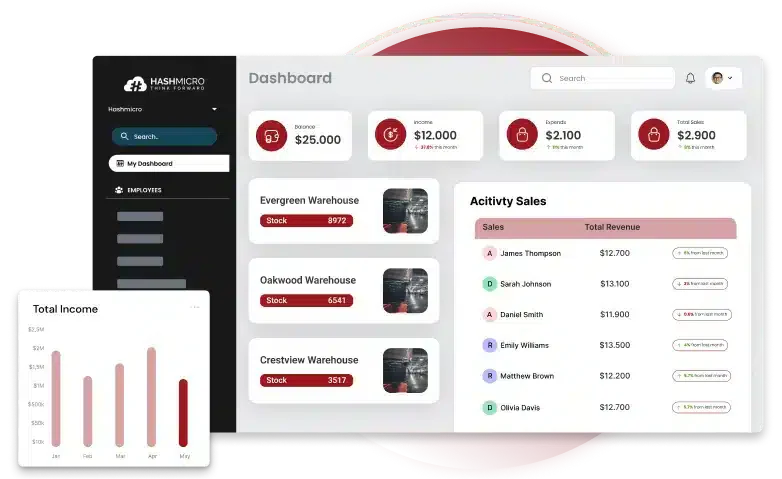 Managing multiple pieces of construction equipment across various sites can get overwhelming fast. With the right construction management software, you can track everything in one place, reducing delays, avoiding hidden costs, and keeping your operations on schedule.