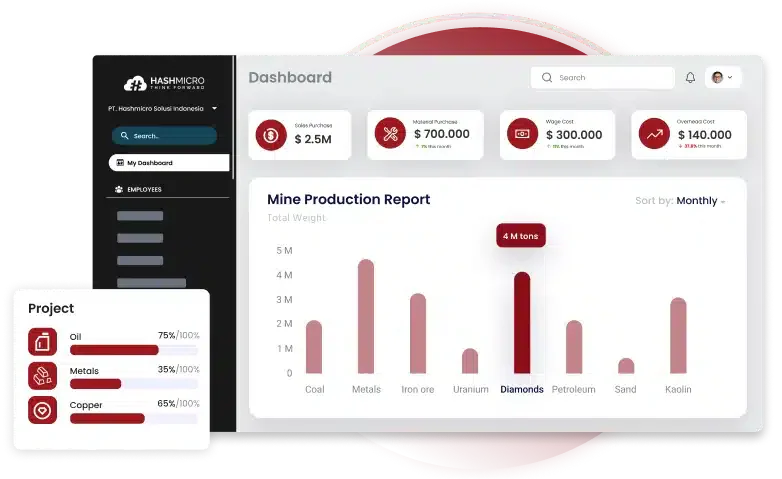






Enterprise Asset Management (EAM) integrates software, systems, and services to oversee the life cycles of physical assets and equipment. It aims to maximize asset value, improve uptime, and reduce costs. This ensures better utilization and cost control throughout the lifecycle.
In Malaysia, despite initiatives like the MSC Cloud Computing Enablement Initiative and MDeC’s financial incentives, cloud application adoption remains low among businesses. A 2018 survey by SME Corp. Malaysia and Huawei Technologies found that only 44% of SMEs use cloud computing, with just 10.5% using cloud ERP software.
Without adopting enterprise software, SMEs risk falling behind in efficiency and competitiveness. Keep reading to explore its features, benefits, and how Malaysian industries can utilize enterprise software to enhance operations. Book a free demo today to see how EAM can transform your business.
Key Takeaways
What is Enterprise Asset Management (EAM) Software?Enterprise Asset Management Software (EAM) assists businesses in effectively managing their physical assets and equipment. Commonly utilized by industries reliant on their assets, EAM systems track everything from industrial machinery to vehicle fleets. The primary objective of EAM is to maximize the efficiency of each asset throughout its entire lifecycle, covering phases from planning and deployment to eventual retirement and disposal. This optimization helps businesses lower both capital expenditures (CapEx) and operational expenditures (OpEx). EAM typically comprises asset management software, inventory management, work management, and financial management. These elements provide a holistic view of all assets, enabling businesses to make informed decisions and maintain smooth operations. With modern technologies like the Internet of Things (IoT), EAM systems can collect data from sensors and machines. When combined with analytics and artificial intelligence (AI), this data yields valuable insights that enhance practices, inform decisions, and facilitate efficient preventative maintenance. Why is Enterprise Asset Management Important for Business?
Enterprise Asset Management (EAM) is essential for companies to monitor, evaluate, manage, and optimize the quality and reliability of their assets. Many businesses across various industries in Malaysia are asset-intensive, relying on numerous assets to function efficiently. Assets can vary greatly in type and size, ranging from railroads, pipelines, and manufacturing equipment to transportation fleets and windmills. Any equipment required to maintain production, services, and operations falls under the purview of EAM. EAM provides significant benefits to companies in Malaysia, including: 1. Maximizing asset utilizationUsing IoT and analytic tools, EAM offers real-time data to extend the lifespan of assets and ensure equipment maintenance is conducted based on actual conditions. This integration of modern technologies, confirmed by seminal studies, creates an innovative ecosystem within firms, modifying production processes and improving productivity 2. Managing aging assets and infrastructureEAM generates valuable analytics that helps develop better strategies for equipment refresh cycles, ensuring assets are updated as necessary. Structural changes facilitated by these technologies can reduce pollution and emissions of harmful waste and save energy during production. 3. Preventing issues before they occurEAM software includes preventative maintenance measures to ensure continuous and stable operations by addressing potential disruptions in advance. The consolidation of I4.0 technologies (I4.0TEC) as efficient and innovative sources, referred to as EITI, drives the adoption of innovative production methods that positively affect production efficiency. 4. Intelligent asset monitoringData from various departments can be aggregated for streamlined alerts and decision-making, with AI-powered monitoring providing insights into asset conditions. These technologies minimize energy usage during production, prevent unwanted waste contamination, and improve overall efficiency. 5. Centralizing asset informationManagers can access detailed information about asset locations and automate critical workflows, promoting ease of use and consistency. EAM allows for managing all assets from a single technology system, standardizing processes for optimal functioning across the organization. Examples of EITI include the usage and adoption of renewable energy technologies in industrial firms in Malaysia. Implementing EAM practices helps maintenance teams gain greater control over complex environments, ensuring assets are managed efficiently and effectively to support organizational goals. Key Features of Enterprise Asset Management
Effective Enterprise Asset Management (EAM) software offers a variety of features designed to enhance asset management and maintenance processes. Here are some key features that showcase the benefits and capabilities of EAM systems: 1. Asset Lifecycle OptimizationEAM systems enable organizations to maximize the value of their assets by managing and optimizing their entire lifecycle. With a centralized asset database, users can track asset conditions, performance, and maintenance history, facilitating lifecycle analysis and identifying opportunities to extend asset lifespan. 2. Proactive Maintenance SchedulingEAM software includes tools for planning and scheduling preventive maintenance, assigning work orders, and managing maintenance schedules. Advanced systems offer intuitive graphical tools such as Gantt charts, making it easier to visualize and organize maintenance tasks. 3. Predictive Maintenance and Condition MonitoringBy integrating with IoT sensors and SCADA/PLC systems, EAM software can predict potential equipment failures, allowing for timely interventions to prevent breakdowns and ensure continuous operations. 4. Work Order and Inventory ManagementEAM systems streamline the creation, scheduling, and tracking of work orders, ensuring efficient task completion from request to finish. They also optimize spare parts inventory by maintaining a database of parts and automatically triggering reorder alerts when inventory levels are low. 5. Integrated Supply Chain and Financial ManagementEAM software integrates asset management with supply chain processes, from sourcing to usage, leveraging IoT technologies to streamline the supply chain. It also integrates with ERP and purchasing software to manage costs, analyze work order expenses, operational costs, and downtime costs, and plan for asset refresh cycles. 6. Data-Driven Decision-Making and ReportingEAM systems, like fixed asset management software, offer robust reporting and analytics tools, often enhanced by AI, to monitor asset health, maintenance KPIs, and operational insights, enabling informed decision-making and optimization based on data analysis. 7. Mobile Maintenance ManagementMobile EAM applications allow users to manage maintenance tasks on the go, with features such as meter reading, electronic signatures, barcode scanning, and document access. Some apps also support offline work, synchronizing updates once connectivity is restored. 8. Regulatory Compliance and Risk ManagementEAM software streamlines regulatory compliance with features like audit trails, e-signatures, and compliance dashboards. It also reduces risk through incident analysis, tracking corrective actions, and managing process changes. Key Benefits of Enterprise Asset Management SoftwareAdopting enterprise asset management software brings measurable improvements to how businesses handle their physical assets. Beyond basic maintenance, EAM delivers long-term cost savings, improved compliance, and smarter decision-making. The following are key advantages that haven’t been highlighted earlier in the article: Minimized equipment downtimeEnterprise asset management software helps detect potential issues early, enabling proactive maintenance before equipment breaks down. This approach reduces production halts and increases the overall reliability of business operations. Smarter budget allocationWith real-time data on asset conditions, organizations can prioritize maintenance spending more accurately. This reduces unnecessary repairs, cuts back on emergency costs, and improves resource allocation across departments. Optimized asset longevityRoutine servicing and accurate usage tracking allow businesses to get the most value from each asset. EAM software makes it easier to extend asset lifespan by ensuring they’re maintained based on actual wear and performance metrics. Stronger safety and compliance standardsEnterprise asset management software supports safety protocols by documenting inspections, audits, and corrective actions. This helps companies meet industry regulations, reduce liability, and protect both workers and equipment. The Difference between EAM and CMMSWhen it comes to managing assets, two terms that frequently arise are Enterprise Asset Management (EAM) and Computerized Maintenance Management System (CMMS). While often used interchangeably, they refer to different systems. What is the difference between EAM and CMMS? CMMS: Focus on MaintenanceCMMS is a computerized system that helps manage maintenance activities and operations, focusing on asset uptime. It is mainly used by maintenance and operations personnel to store asset information, schedule preventive maintenance, and track work orders. This system suits businesses with straightforward asset management needs. EAM: Comprehensive Asset ManagementEAM takes a broader approach, managing the entire asset lifecycle from capital planning, procurement, and installation to maintenance, compliance, risk management, and disposal. It includes advanced features like audit processes and involves users from finance, production, compliance, and senior leadership. EAM is ideal for larger businesses with complex asset management needs. Key Differences Between EAM and CMMS:
Industries that Use Enterprise Asset Management Software
Enterprise Asset Management (EAM) is a useful tool that helps many different industries. By optimizing asset utilization and maintenance, EAM systems enhance efficiency and reduce operational costs across various sectors, including: Enterprise Asset Management (EAM) is a beneficial tool for various industries. By optimizing asset utilization and maintenance, EAM systems boost efficiency and reduce operational costs across multiple sectors, including:
How to Choose the Right Enterprise Asset Management Software
Choosing the right Enterprise Asset Management (EAM) software can significantly improve your company’s asset management, but with numerous options on the market, finding the perfect fit can be daunting. To make an informed decision, consider these five crucial questions:
Addressing these questions and comparing top EAM software vendors can help you find the best solution for your business. HashMicro’s EAM is the top choice among the available options, offering extensive features, robust support, and excellent value. HashMicro’s user-friendly interface and scalable solutions integrate seamlessly into business operations, enhancing efficiency and cost savings. ConclusionEnterprise Asset Management (EAM) software is essential for various industries, including manufacturing, transportation, healthcare, retail, facilities, and utilities. EAM manages assets, tracks product life cycles, and optimizes maintenance, which boosts operational efficiency and control. Selecting the right EAM software can be challenging, considering factors such as integration, scalability, support, and mobile access. However, HashMicro’s EAM software excels by providing a customized solution for each company’s unique needs. HashMicro is dedicated to ensuring a seamless implementation experience and ongoing support distinguishes it. With its flexible and scalable architecture, HashMicro’s EAM software adapts to businesses’ dynamic needs. Discover how HashMicro’s EAM software can enhance your operational efficiency and control. Try the free demo today and experience the transformative benefits of optimized asset management! FAQ about Enterprise Asset Management SoftwareIs EAM the same as ERP?ERP systems are designed to streamline all operational processes within an organization. Typically, these platforms assist in managing finances, sales, production, human resources, and production. In contrast, EAM focuses solely on the physical assets of an organization. What is the difference between IT asset management and enterprise asset management?ITAM and EAM are alike in that they both oversee critical assets. While ITAM concentrates on technology-specific assets, EAM manages an organization’s physical assets throughout their entire lifecycle. What is the purpose of EAM?Enterprise asset management (EAM) integrates software, systems, and services to maintain and control operational assets and equipment. EAM aims to optimize asset quality and utilization throughout their lifecycle, enhance productive uptime, and lower operational costs. What is EAM implementation?EAM, short for “Enterprise Asset Management,” denotes a structured method for managing and optimizing the lifecycle of an organization’s physical assets. It generally encompasses processes such as design, construction, operation, maintenance, replacement, and disposal of assets. HashMicro follows strict editorial standards and uses primary sources such as regulations, industry guidance, and trusted publications to keep content accurate and relevant.        Alia Alia Looking for a Free Demo?
Contact us via WhatsApp and let us know the software you are looking for. 15.04 |