






Port Klang congestion and customs clearance delays are part of the daily reality for many logistics teams in Malaysia. Vessels wait to dock, containers pile up past their clearance window, and lorries idle while paperwork catches up by the time a shipment clears, the ETA is already missed.
The pressure compounds on the road. Following the removal of blanket diesel subsidies in June 2024, fuel costs surged over 50% for unsubsidised fleets. It is no coincidence that logistics costs in Malaysia account for around 13.7% of GDP according to the World Bank one of the highest ratios in the region.
When visibility is limited and paperwork isn’t ready, small issues quickly become queues, missed ETAs, and rising costs. The right fleet management system closes that gap keeping documents organised, coordinating carriers, and giving your team real-time control before problems hit your books.In this guide, we break down the top transportation management systems in Malaysia and what to look for to stay efficient and competitive.
Key Takeaways
|
To keep deliveries on schedule and improve control across routes, many logistics teams now rely on integrated fleet management systems.
Our Top Picks of TMS in Malaysia
Not all TMS platforms are built for how Malaysian logistics actually operates. The options below stood out based on local compliance support, integration capability, and suitability for businesses managing fleets and deliveries across Peninsular and East Malaysia.


Best Because
End-to-end TMS for global multi-modal logistics operations.


Best Because
AI-driven TMS for real-time transportation planning and execution.
Quick TMS Comparison Overview
Before diving into each platform in detail, here is a side-by-side overview of how the top four systems compare across the criteria that matter most for Malaysian operations from route optimisation and local bank support to ERP integration and pricing model.
| TMS System | Best For | Strength | Malaysia Context | Key Features | Pricing |
|---|---|---|---|---|---|
| HashMicro | Malaysian logistics companies, distributors, and fleet operators | Auto-dispatch, GPS fuel tracking, proof of delivery with geo-tag, and native ERP integration across inventory and procurement | Built for Malaysian operations. Local KL office. SST and LHDN MyInvois compliant. Supports lorry-based last-mile delivery across Peninsular and East Malaysia | Smart dispatch, trip sheet automation, GPS-fuel reconciliation, POD capture, multi-warehouse sync, freight billing | Custom quote. Contact HashMicro for pricing |
| Oracle OTM | Large enterprises with global multi-modal freight operations | End-to-end planning, execution, and settlement across air, ocean, road, and rail with perfect tracking and ETA accuracy scores | Available via local Oracle partners in Malaysia. Supports cross-border logistics including Port Klang and customs clearance integration | Multi-modal planning, real-time visibility, freight audit, carrier management, global trade compliance | From USD 450/month |
| SAP TM | Enterprises already running SAP ERP needing integrated transport management | Dock scheduling, yard management, and carrier rate comparison all rated highly. Tight integration with SAP supply chain modules | Available via local SAP partners in Malaysia. Supports SST and customs documentation for domestic and cross-border shipments | Freight order management, carrier selection, route optimisation, dock scheduling, freight audit and payment | Custom enterprise pricing |
| Blue Yonder TMS | Large enterprises needing AI-driven route optimisation and supply chain convergence | AI and machine learning for predictive rerouting, real-time execution, and carrier performance scoring | Available via regional partners in Malaysia. Suited for FMCG, retail, and manufacturing with complex multi-lane distribution | Transportation planning, execution, freight audit, real-time visibility, sustainability tracking | Custom enterprise pricing |
What is a Transportation Management System?
A transportation management system (TMS) is a logistics tool that helps businesses plan, execute, and optimize the movement of goods, whether incoming or outgoing. It ensures shipments comply with regulations, that all required documents are in place, and that deliveries are handled efficiently.
TMS is usually part of a broader supply chain management (SCM) system. Also called transportation management software or transportation management solutions, a TMS gives businesses clear visibility into daily transportation activities, trade compliance, and shipment documentation.
It helps speed up shipping while making it easier to manage and optimize transportation by land, air, or sea.
Benefits of a Transportation Management System
A transportation management system (TMS) brings many advantages to businesses. Key benefits include:
- Cut costs: TMS transportation budget savings can reach 5–10%, driven by route optimization, load consolidation, carrier selection, and fewer empty kilometers.
- Simplify operations: TMS centralizes carriers, routes, schedules, and transport modes into one dispatch workflow, so teams can assign shipments faster with fewer manual handoffs.
- Automate paperwork: TMS replaces manual POD with ePOD and geo-tagging, helping reduce claim disputes and shorten billing cycles from 7 days to same-day when fully connected.
- Gain visibility: Real-time tracking shows shipment status, delays, failed deliveries, and cargo movement before they affect customers.
- Save time: TMS automates route planning, dispatch assignment, POD collection, and freight documents to reduce manual admin work.
On a broader level, a TMS helps companies manage local and international freight on one dashboard. This is especially useful for multimodal transport tracking, as it enforces compliance with import and export rules and highlights delays, weak points, and carrier performance.
The outcome is dependable deliveries, higher customer satisfaction, and the ability to scale operations as demand grows.
10 Best Transportation Management Systems in Malaysia
Here’s top 10 transportation management software in Malaysia.
1. HashMicro
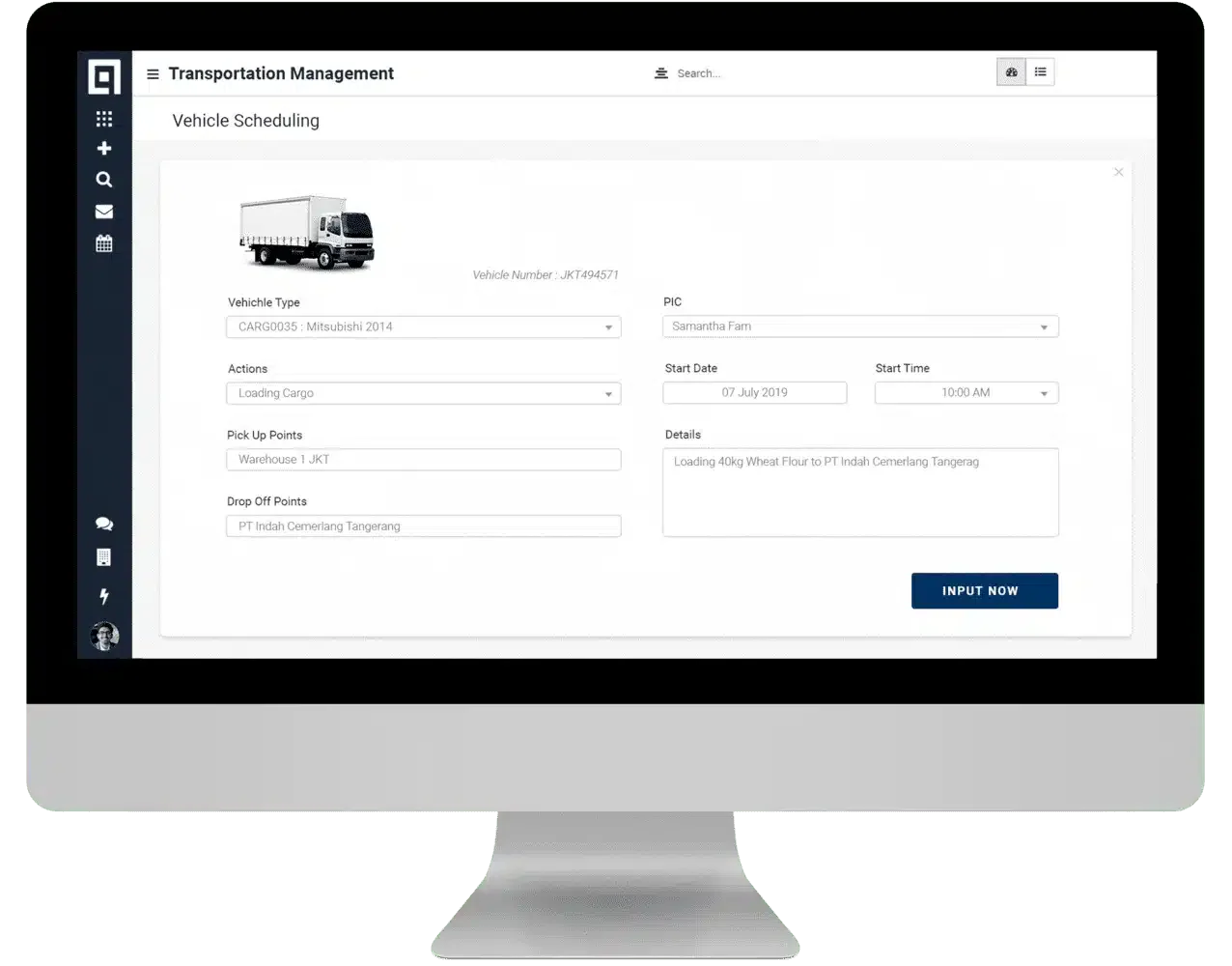
Best for: Malaysian logistics companies, distributors, and fleet operators that need end-to-end control of transport operations (3PL & In-house fleets).
With HashMicro’s Automated TMS Solution, dispatch doesn’t guess which lorry to send; the system automatically assigns based on lane, cube, weight, and SLA. Drivers receive their trip sheets instantly, and once the job is done, proof of delivery is captured with a timestamp and a geo-tag.
At the same moment, DOs and GRNs sync straight back into inventory. Fuel costs don’t hide here either. GPS and odometer data reconcile liters purchased with distance traveled, revealing the true cost per kilometer, including tolls and fuel surcharges.
Top features:
- Smart Dispatch & Trip Sheets: HashMicro auto-assigns lorries based on route, cube, weight, and SLA. Drivers get digital trip sheets with instructions and updated loads.
- Real-Time ePOD & DO/GRN Sync: Drivers capture ePOD with timestamp and geo-tag, while DO and GRN sync back into inventory on the spot.
- Fuel & Cost per KM Control: GPS and odometer reconcile liters purchased with distance, giving a true cost per kilometer that includes tolls and surcharges.
- Automated Freight Rating & Finance Integration: Rate cards apply automatically, producing rated trips with accessorials pre-calculated and posted straight to accounting.
- Control Tower Visibility: A live dashboard displays ETAs, cross-dock dwell times, exceptions, and lane performance.
- Driver & Fleet Compliance: HashMicro alerts you when a driver’s license, road tax, insurance, or Kastam (customs) papers are due, so no truck gets held at checkpoints or left idle.
| Pros | Cons |
|
|
To compare features more clearly and see how they align with your operational needs, reviewing the available pricing structure can be a helpful next step.

2. Ramco
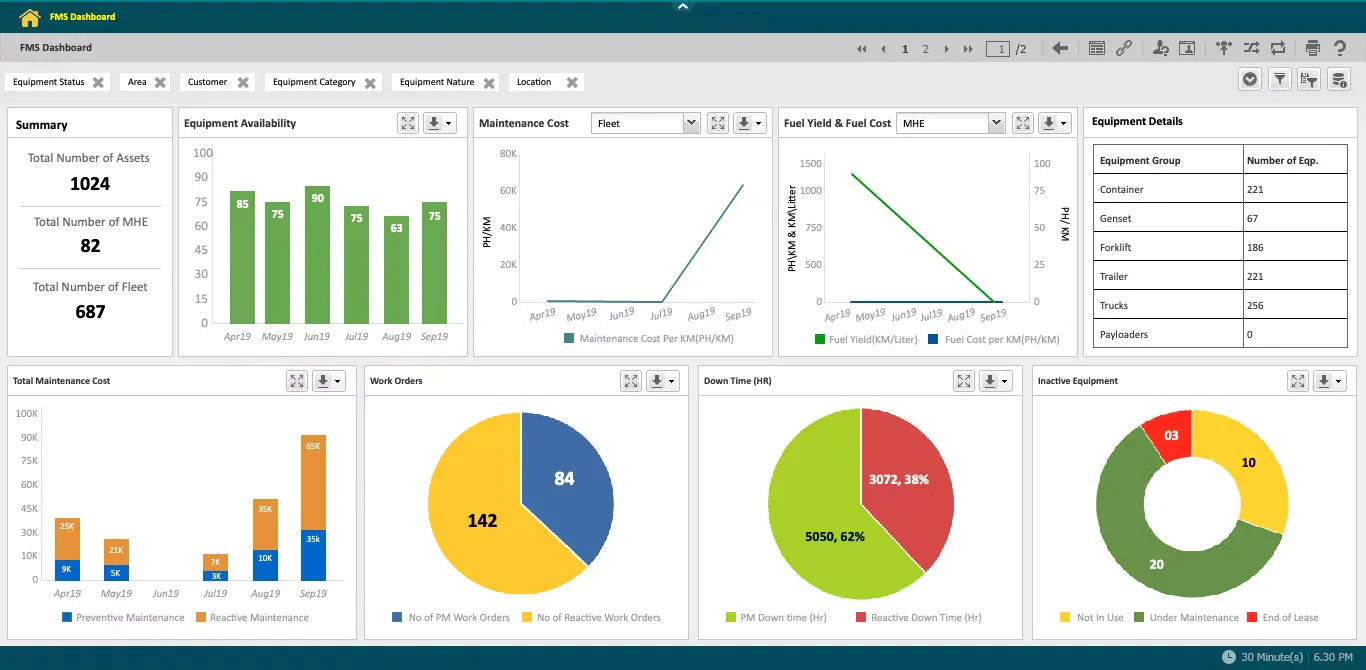
Best for: 3PL providers, freight forwarders, courier and parcel operators, and enterprises managing multi-modal logistics.
Ramco TMS runs on a unified logistics platform for 3PLs, freight forwarders, and courier/parcel providers. The system provides real-time visibility from booking to invoicing, embeds rule-based optimization (vehicle, schedule, routes & constraints), and supports mobility through driver apps.
Top features:
- Modular design: Select only the modules you need, such as TMS, WMS, or 3PL.
- Multi-modal support: Manage road, sea, and air transport with customs compliance.
- Warehouse + 3PL integration: Connect warehousing and 3PL operations directly to transport workflows.
- Real-time dashboards: Gain live visibility with analytics and KPI tracking.
- Fleet and hub tools: Schedule vehicles, manage drivers, and control hub or parcel operations.
| Pros | Cons |
|
|
3. SAP Transportation Management
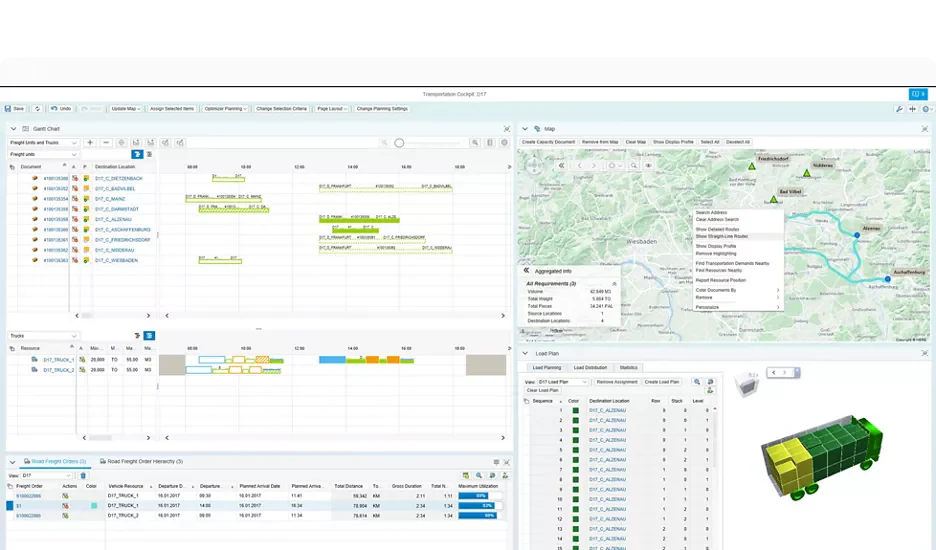
Best for: Medium to large enterprises with complex, multi-modal logistics and existing SAP infrastructure.
SAP Transportation Management provides a robust platform for planning, executing, and settling transportation across road, rail, air, and sea. It integrates tightly with SAP S/4HANA, ERP, and integrated warehouse modules.
Top features:
- Transportation planning and optimization: Advanced route, mode, and load planning across different transport methods.
- Freight cost and settlement: Manage carrier contracts, calculate rates, apply trade agreements, and settle billing.
- Real-time visibility and tracking: Monitor shipments live and receive alerts when delays or deviations occur.
- Carrier collaboration portal: Shippers and carriers share documents, confirm loads, and resolve disputes through a shared portal.
- Full SAP integration: Connects with ERP and warehouse systems to link order-to-cash and procure-to-pay processes
| Pros | Cons |
|
|
4. GoComet
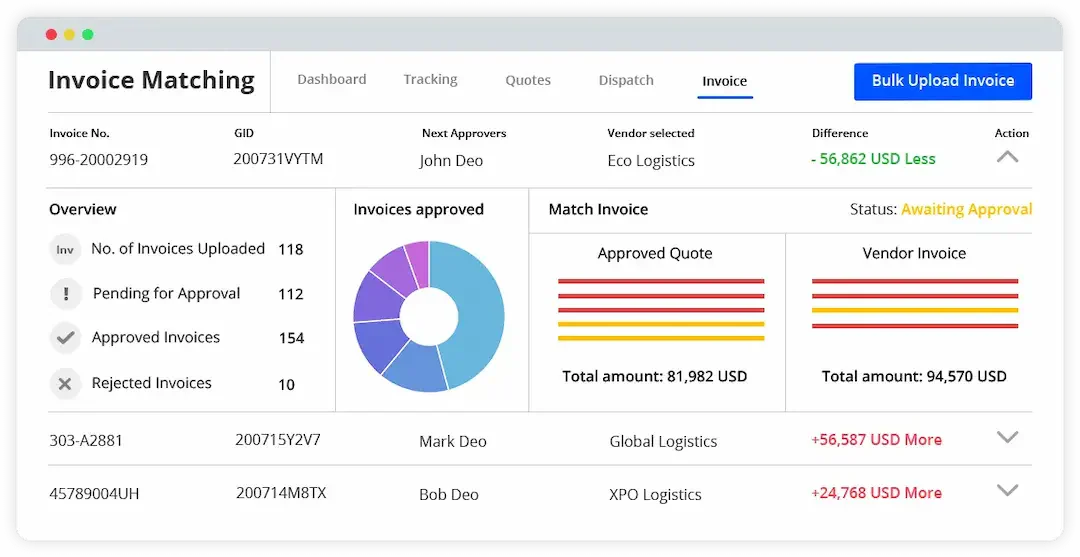
Best for: Businesses of all sizes needing freight-cost control, shipment visibility, and AI-assisted logistics workflows.
GoComet is a cloud-first TMS built to reduce freight spend and improve transparency. It automates carrier rate negotiation, tracks shipments in real time with predictive ETAs, and integrates with existing systems to give operations teams a unified view of cross-border and domestic logistics.
Key features:
- AI cost benchmarking: Compare carrier rates automatically to find best deals.
- Real-time visibility: Monitor shipment status, delays, and exceptions live.
- Freight procurement automation: Send RFQs, match quotes, automate invoice comparisons.
- Predictive ETAs & analytics: Use historical + live data to forecast shipment arrival, flag risk, measure performance.
- Collaboration & document tools: Shared dashboards, alerts, and document / invoice management.
| Pros | Cons |
|
|
5. Trimble
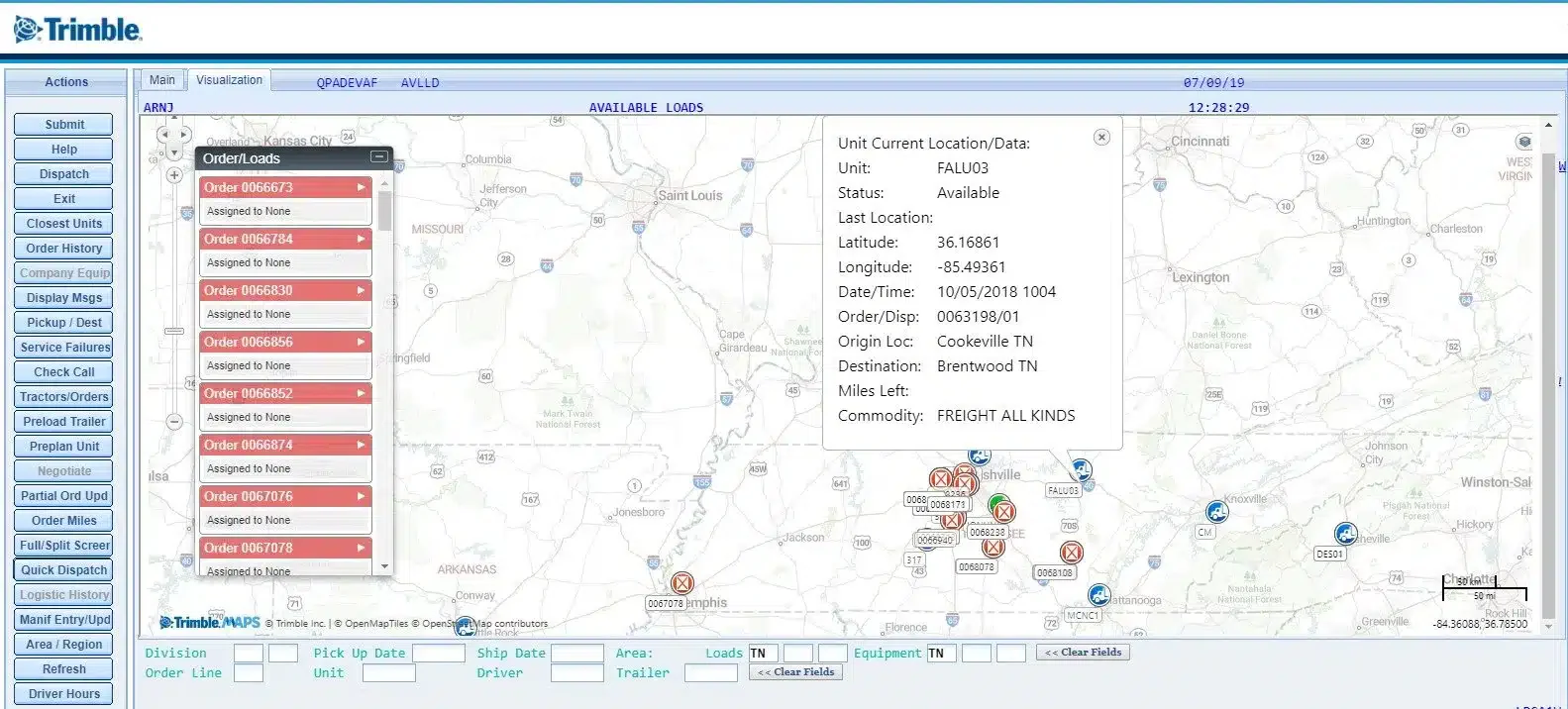
Best for: Trucking, 3PL, and larger fleets needing strong load, dispatch control, and compliance focus.
Trimble TMS is a carrier-centric solution widely used by trucking companies, brokers, and 3PLs. It emphasizes load and dispatch control, integrates driver and fleet management, and supports order-to-cash workflows with strong compliance features.
Top features:
- Load and dispatch planning: Assign, schedule, and track loads efficiently.
- Billing and settlement automation: Reduce manual invoicing errors.
- Driver and carrier management: Track performance and compliance.
- Route optimization: Use algorithms to cut costs and time.
- Real-time tracking and visibility: Monitor goods and drivers at all times.
| Pros | Cons |
|
|
6. Blue Yonder TMS
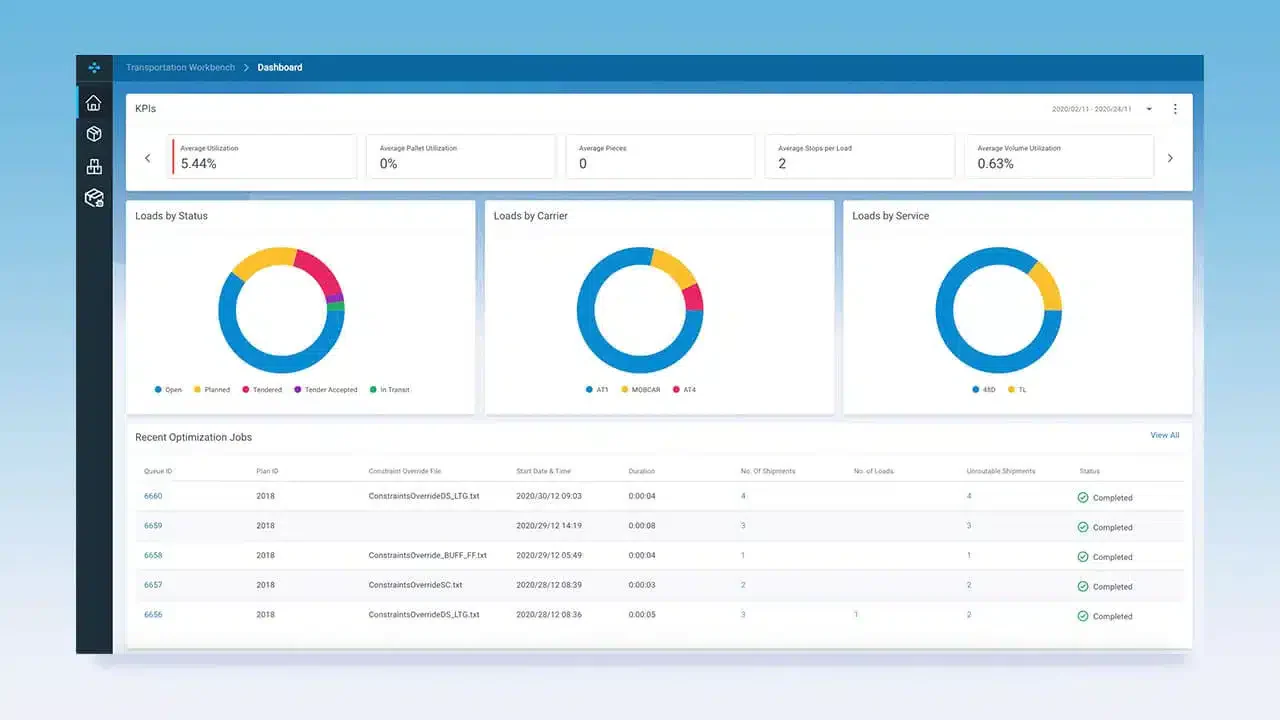
Best for: Retailers, manufacturers, and logistics providers needing AI-driven forecasting and end-to-end supply chain visibility.
Blue Yonder helps companies improve supply chains from planning to delivery and returns. Retailers, manufacturers, and logistics providers use its AI-driven platform to forecast demand more accurately and manage capacity, inventory, and transport in real time.
Top features:
- AI-powered forecasting: Improve demand accuracy with predictive models.
- End-to-end coverage: Manage planning, fulfillment, delivery, and returns in one system.
- Capacity and inventory control: Adjust stock and resources in real time.
- Multi-enterprise network: Connect suppliers, partners, and logistics across multiple tiers.
- Returns management: Handle reverse logistics and customer returns efficiently.
| Pros | Cons |
|
|
7. TrueFleet
Ideal for: Small and mid-sized fleets that want automation in daily transport tasks.
TrueFleet is a cloud-based TMS built for smaller fleets that need efficient control. It automates core processes such as order handling, driver payroll, and maintenance scheduling. Managers gain better oversight, while drivers receive clear direction through the platform.
Key features:
- Order automation: Handle load rating, order entry, and shipment tracking automatically.
- Load planning and dispatch: Plan routes and assign loads to drivers quickly.
- Driver payroll: Calculate pay and settlements without manual effort.
- GPS tracking: Monitor shipments in real time.
- Custom reporting: Generate on-demand reports with actionable insights.
| Pros | Cons |
|
|
8. Enrich Software
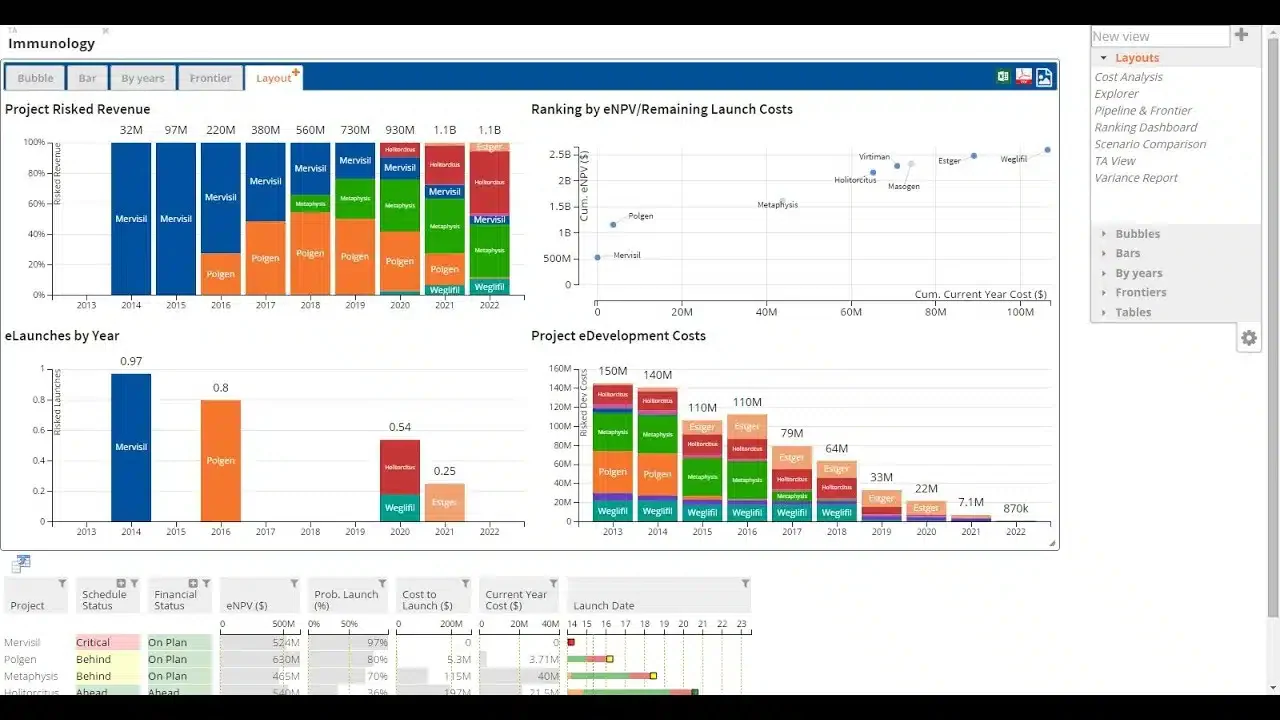
Best for: Lease and rental providers, private fleets, and common carriers.
Enrich Software helps fleet managers boost efficiency and profitability across a range of fleet types, from leasing firms to dedicated carriers. It centralizes fleet data on a single platform, making it easier to control costs and improve decision-making.
Key features:
- Asset-level reporting: Measure utilization, maintenance costs, and fuel use to improve resource allocation.
- Flexible billing: Customize contracts with a range of billing options to meet customer requirements.
- Part-level tracking: Monitor warranties by individual parts to claim eligible repairs and cut maintenance expenses.
- Fuel tax automation: Handle fuel tax reporting automatically to save time and avoid costly errors.
- Mobile access: Use the integrated app to view data, assign tasks, and coordinate teams on the go.
| Pros | Cons |
|
|
9. Shipsy
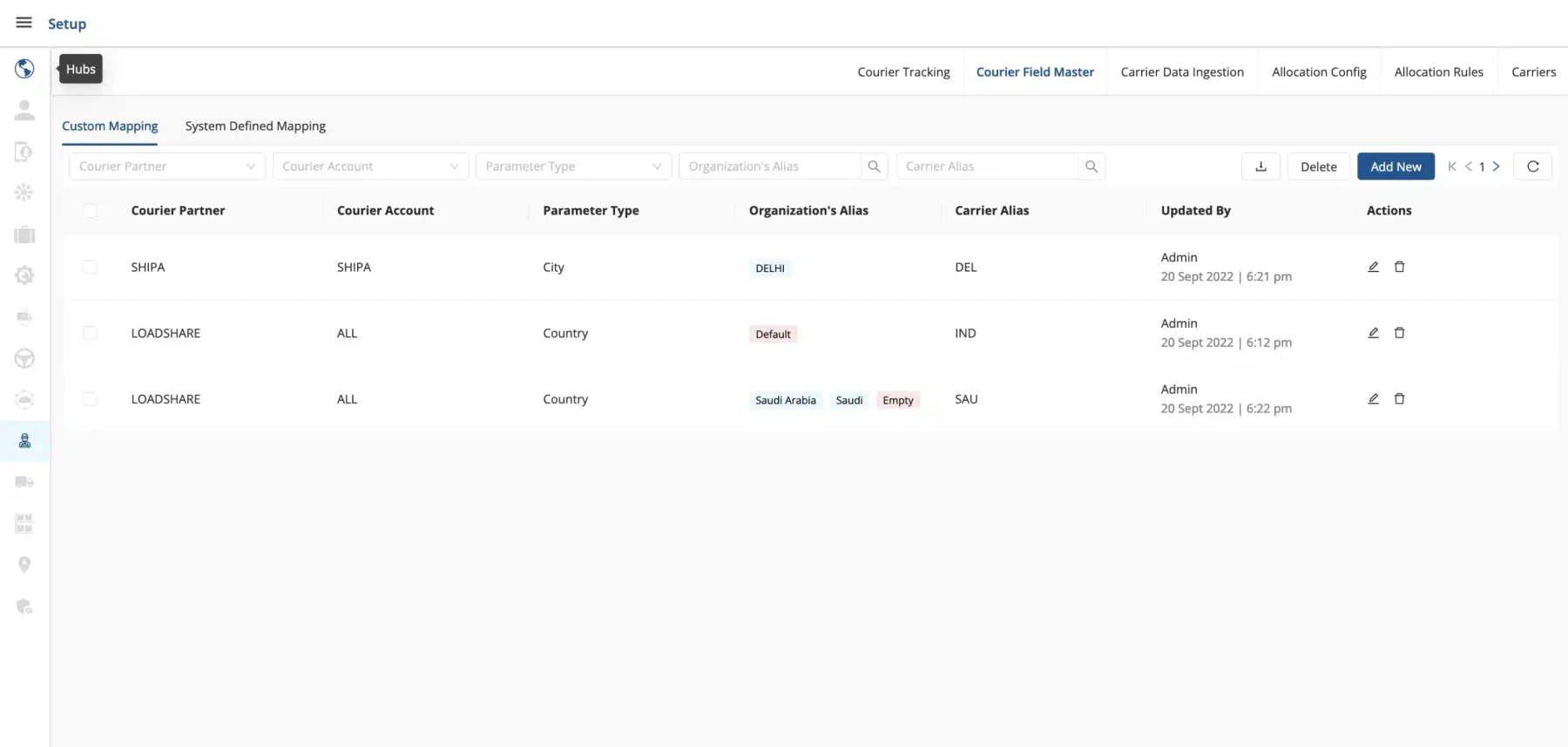
Best for: Large enterprises with complex international and multi-carrier logistics operations.
Shipsy develops an AI-powered logistics platform. Its system connects cross-border and domestic logistics, combining automation with intelligent 3PL management. Through its mobility suite, Shipsy gives end-to-end visibility across shipments.
Top features:
- Digital Control Tower: Single dashboard with real-time visibility, alerts for delays/exceptions, and data from many sources (3PL, ERP, etc.).
- Intelligence Engine: Uses AI/ML to decide best routes, pick best 3PL partners, optimize vehicle load vs constraints, etc.
- Multi-carrier & International Logistics Support: Manages domestic and cross-border shipments across multiple transport modes (air, ocean, road, rail) and supports multiple carriers.
- Route Optimization & Planning with Constraints: Handle many orders/riders, lots of constraints (delivery windows, etc.), to produce efficient, batched routes.
| Pros | Cons |
|
|
10. Oracle Transportation Management
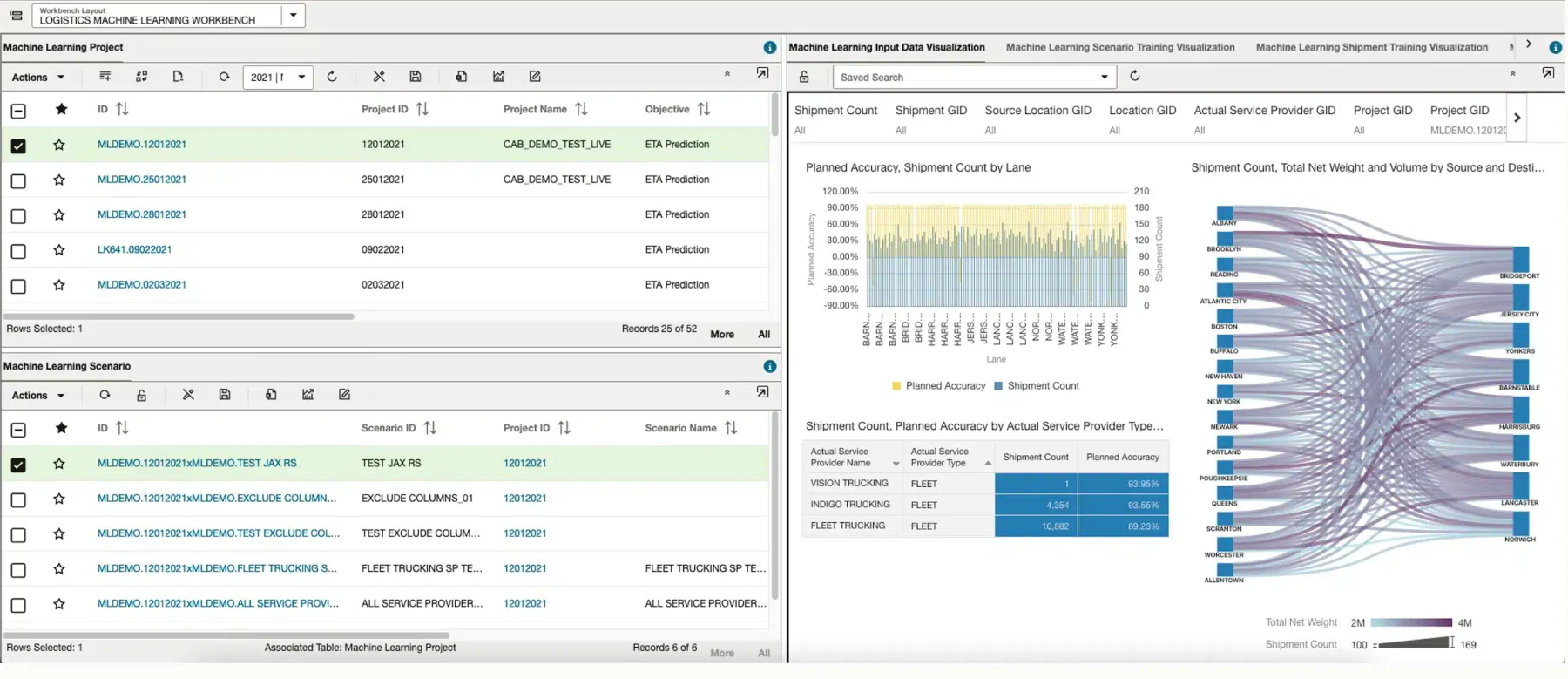
Best for: Large enterprises managing complex, global, and multi-modal logistics that need deep ERP integration and cost optimization.
Oracle Transportation Management (OTM) is a cloud-based platform that unifies planning, execution, and settlement for shipments across road, rail, ocean, and air. It provides real-time visibility of carrier performance, automates freight payment and auditing, and integrates tightly with Oracle ERP and e-commerce SCM modules.
Top features:
- Transportation planning and optimization: Automate route, mode, and load decisions to cut costs.
- Freight audit and payment: Handle billing, invoices, and compliance with minimal manual effort.
- Global shipment visibility: Track carrier performance, delays, and exceptions in real time.
- Carrier collaboration tools: Share load tenders, documentation, and contracts on one portal.
- ERP and SCM integration: Connects directly with Oracle’s financial and supply chain systems.
| Pros | Cons |
|
|
Overall Comparison of TMS Systems Vendors in Malaysia
To help you compare your options more effectively, the table below scores each platform across key operational criteria relevant to Malaysian businesses. Use this as a quick reference before evaluating individual vendors in detail.
| Provider | Local MY Support | Route Optimisation | Real-time GPS Tracking | Freight Audit | ERP Integration | Multi-modal Support | Ease of Use | Pricing Model |
|---|---|---|---|---|---|---|---|---|
| HashMicro | Custom quote | |||||||
| Oracle OTM | From USD 450/month | |||||||
| SAP TM | Custom enterprise | |||||||
| Blue Yonder | Customenterprise |
How Does a TMS System Work?
A transportation management system helps companies connect with shipping providers and manage delivery data in one place. It supports route planning, monitors freight progress, and helps pick the best carriers for each shipment based on cost and speed.
Rather than working alone, a transportation management system typically integrates with ERP and warehouse software. Together, they handle everything from order processing to warehouse picking, creating a smooth workflow from stock to delivery.
The ERP manages invoicing and sales orders, while the WMS handles packing and inventory tracking. The transportation management (TMS) system finalizes the process by planning the route and coordinating the delivery with the right carrier.
What to Look for When Evaluating a TMS in Malaysia
A TMS is more than a digital tool; it is the backbone of modern transportation management. Key features include:
- Transportation planning and execution: A TMS compares carrier rates, plans efficient routes, assigns vehicles, and optimizes load use based on delivery needs. It also gives real-time tracking so logistics teams can monitor shipments after dispatch.
- Freight management: The system manages freight quotes, cost calculation, order processing, billing, and settlement in one workflow. This helps businesses control transport costs and reduce manual errors in multimodal or intermodal shipments.
- Carrier management: A TMS stores carrier contracts, rates, SLA terms, and performance records. This helps logistics teams compare carriers by cost, reliability, and delivery performance before assigning shipments.
- Compliance and documentation: A TMS helps track JPJ documents, road tax, insurance, driver licences, customs forms, and cross-border paperwork to reduce expired-document risks and checkpoint delays.
- Dashboards and analytics: TMS dashboards show shipment status, route performance, delivery delays, freight costs, and carrier reliability. These insights help managers identify bottlenecks and make faster transport decisions.88
Which Systems Suits My Business?
The right TMS depends on your business size, fleet type, and operational complexity. Use the matrix below to identify which platform best matches your specific situation whether you are a local distributor, a 3PL, or a large enterprise managing cross-border freight.
| Business Scenario | Best Fit | Why It Works |
|---|---|---|
| Malaysian logistics or distribution company needing end-to-end TMS with local fleet control | HashMicro | Auto-dispatch, GPS-fuel reconciliation, and POD capture built for Malaysian lorry operations. Native ERP integration covers inventory and billing in one system, with local KL office support. |
| Large enterprise already on SAP infrastructure needing integrated transport management | SAP TM | Native integration with SAP ERP eliminates data silos. Dock scheduling, carrier rate comparison, and freight audit all rated highly. Local SAP partners available in Malaysia. |
| Multinational or enterprise managing global multi-modal freight through Malaysia ports | Oracle OTM | Perfect scores for tracking, ETA accuracy, and multi-modal planning across air, ocean, and road. Suitable for Port Klang-connected supply chains with complex customs requirements. |
| FMCG, retail, or manufacturing business needing AI-driven route optimisation across multiple distribution lanes | Blue Yonder TMS | AI and machine learning continuously optimise routes, predict disruptions, and adjust carrier assignments in real time. Best for high-frequency, multi-lane distribution networks. |
Conclusion
A transportation management system helps businesses optimise routes, reduce operating costs, and deliver goods more efficiently across Malaysia. It also strengthens compliance, improves end-to-end visibility, and supports more reliable on-time performance as customer expectations rise.
However, the real value comes from execution at scale, smart dispatch rules, real-time proof of delivery, accurate cost-per-kilometre tracking, and seamless document flow back to inventory and finance. When these workflows run in a single connected process, teams spend less time chasing updates and more time preventing delays and cost leaks.
If you’re reviewing your logistics setup, a free consultation can help you map pain points, prioritise quick wins, and define the right system requirements for your lanes, fleet, and SLA targets.

FAQ on Transportation Management System
What are the different types of TMS (Shipper vs Forwarder vs Carrier)?
There are different TMS categories: Shipper TMS (for companies moving goods), Forwarder TMS (handling goods for others), and Carrier TMS (focused on fleet operations). Each type supports different workflows and features.
How does a TMS differ from a routing or fleet management solution?
A routing solution focuses on routes and schedules, while TMS manages the full shipment lifecycle including carrier selection, rate management, freight audits, and shipment visibility. Fleet management emphasizes vehicles, drivers, and maintenance.
What kinds of pricing models do TMS providers use?
Pricing varies based on system scale, shipments, modes, and features. Common models include SaaS subscriptions, per-transaction fees, or licensed setups with customization and maintenance.
How much ROI or savings can a company expect after implementing TMS?
Savings often come from optimized routes, consolidated freight, and fewer empty trips. Many companies report transportation cost reductions between 2–15%, depending on existing inefficiencies.
How long does TMS implementation take for a Malaysian logistics company?
TMS implementation depends on fleet size, route complexity, customization, and ERP or WMS integration needs. A basic setup may be faster, while advanced workflows like smart dispatch, ePOD, fuel tracking, and finance integration usually require more planning and onboarding.
Can TMS integrate with my existing ERP or WMS system?
Yes. Many TMS platforms can integrate with ERP or WMS systems to sync delivery orders, inventory updates, proof of delivery, freight costs, and billing data. This helps logistics, warehouse, and finance teams work from the same operational data instead of updating records manually.