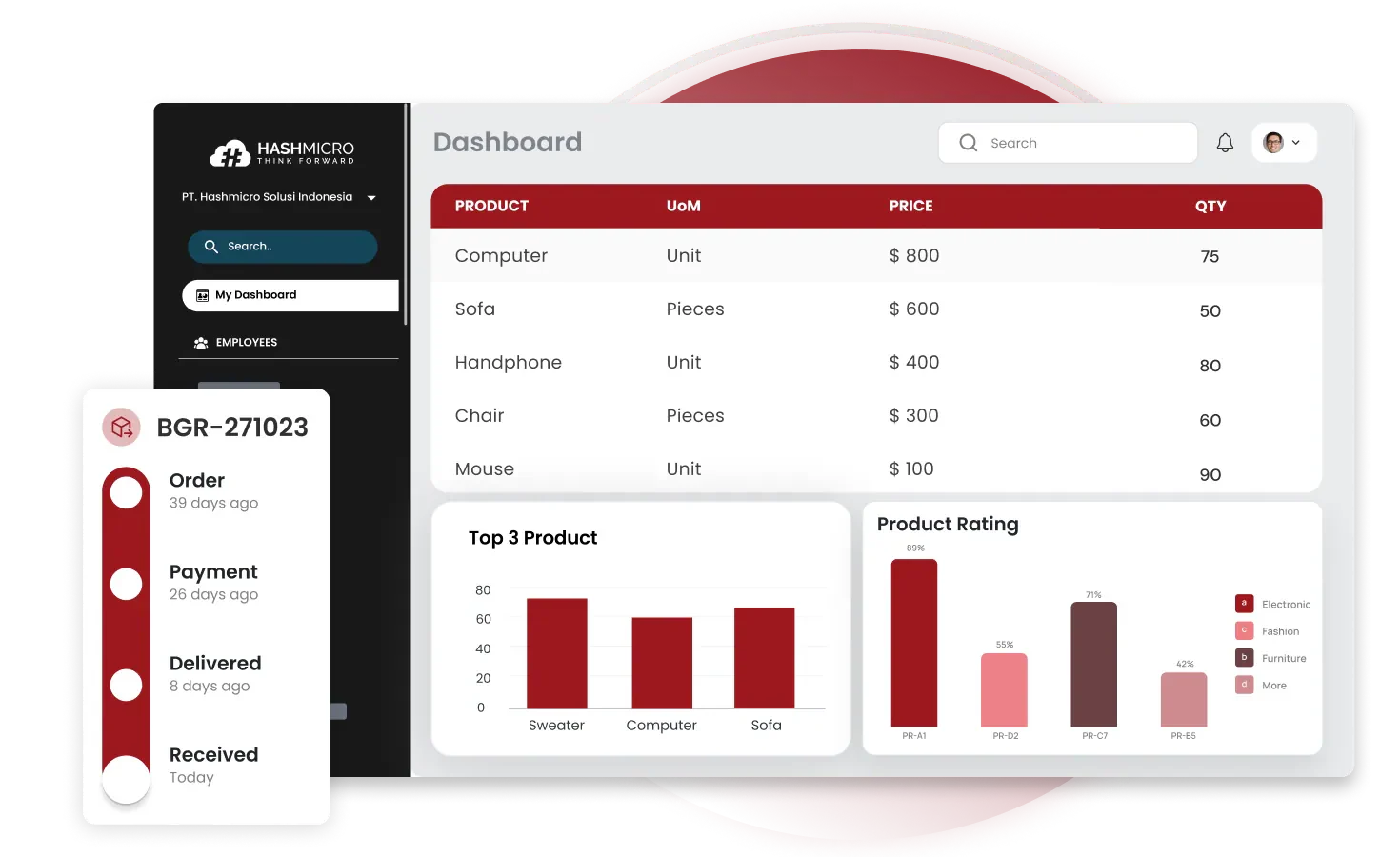





Did you know that businesses allocate 50-70% of their revenue to procurement? Managing procurement efficiently is critical to controlling costs and maintaining smooth business operations. Additionally, research suggests that 94% of businesses in Southeast Asia are shifting toward cloud-based solutions to improve efficiency.
For Malaysian companies, procurement challenges often stem from manual processes, poor visibility, and inefficiencies that lead to unnecessary costs, delays, and compliance risks. Without a proper system in place, businesses struggle to track purchases, approve requests, and maintain supplier relationships effectively.
A procurement management system is designed to streamline purchasing, automate workflows, and provide real-time insights into procurement activities. By implementing the right system, businesses can reduce errors, ensure compliance with local regulations, and enhance overall supply chain efficiency.
Key Takeaways
What is a Procurement Management System?A procurement management system is software designed to automate and optimize the purchasing process. It streamlines tasks such as purchase requests, supplier selection, purchase order creation, invoice processing, and budget tracking. By digitizing procurement through an ERP software like HashMicro, businesses can minimize manual errors, enhance efficiency, and ensure compliance with financial regulations. In Malaysia, procurement inefficiencies often arise due to paper-based approvals, delayed supplier communication, and lack of real-time cost tracking. Studies show that 60% of businesses experience procurement challenges due to manual processes, leading to increased costs and operational delays. A well-integrated procurement system helps businesses manage suppliers effectively, track expenses, and improve purchasing decisions through real-time analytics and automation. Types of Procurement: Direct, Indirect, and Services
Procurement in businesses is categorized into direct, indirect, and services procurement, each serving different operational needs. Understanding these distinctions helps companies optimize their supply chain, cost management, and vendor relationships.
A structured procurement system automates the management of these categories, including retail procurement, ensuring cost control, supplier evaluation, and seamless approvals. Key Steps in the Procurement ProcessA well-structured procurement process is crucial for businesses to streamline purchasing, manage supplier relationships, and ensure compliance. Below are the fundamental steps involved for a strategic sourcing:
Implementing a digital procurement system can automate and optimize each of these steps, reducing errors and enhancing efficiency. Key Features of a Procurement System
A robust procurement system comes with essential features that help businesses streamline purchasing, track supplier performance, and optimize spending. Below are the key features to look for:
These features enhance operational efficiency, minimize risks, and improve cost control in procurement. Businesses that adopt a comprehensive procurement system can reduce manual efforts, streamline approvals, and optimize supplier relationships. How a Procurement System WorksA procurement system automates and streamlines the purchasing process, ensuring businesses can efficiently acquire goods and services while minimizing errors and costs. Here’s how it typically works:
By automating procurement workflows with vendor management software, businesses can reduce costs, prevent supply chain disruptions, and maintain better vendor relationships. HashMicro Procurement System: A Smarter Way to Manage Procurement
For businesses looking to enhance efficiency, HashMicro’s procurement software offers a comprehensive, AI-powered solution designed to streamline purchasing, improve supplier relationships, and reduce operational costs. This cloud-based system ensures seamless procurement management, from purchase requisition to payment processing, making it ideal for businesses in Malaysia looking to comply with LHDN regulations while optimizing costs. Key features of HashMicro’s procurement system
ConclusionA procurement management system is essential for businesses looking to streamline purchasing, reduce costs, and maintain compliance with LHDN regulations in Malaysia. By automating procurement workflows, companies can enhance efficiency, improve supplier relationships, and optimize spending. With advanced features like automated purchase requisitions, vendor management, cost tracking, and compliance reporting, businesses can ensure that procurement processes are error-free, cost-effective, and well-structured. For companies aiming to scale and improve procurement efficiency, implementing a reliable procurement system like HashMicro’s can significantly enhance cost control and operational performance. Ready to upgrade your procurement process? Click the banner below to explore HashMicro’s Procurement Software and request a free demo today! FAQ about Procurement SystemWhat do you mean by a procurement system?A procurement system is a digital tool that automates and manages the entire purchasing process, from purchase requests to supplier payments. It helps businesses streamline order tracking, vendor management, budget control, and compliance reporting to ensure an efficient procurement workflow. What is an example of a procurement system?An example of a procurement system is HashMicro’s Procurement Software, which enables businesses to automate purchase requisitions, compare vendor pricing, manage approvals, and generate financial reports—ensuring a seamless procurement process. Is ERP a procurement system?An ERP (Enterprise Resource Planning) system is not solely a procurement system, but it includes procurement as one of its core modules. ERP software integrates procurement with other business functions like accounting, inventory, and HR, providing a centralized platform for managing all operational activities. Angela Tan is a Regional Manager at HashMicro with a strong focus on ERP and accounting solutions, leading regional market strategies that support strategic growth and people-centered management. Through her experience overseeing multi-market operations, she plays a key role in helping organizations improve financial accuracy, strengthen customer relationships, and build long-term business sustainability across Southeast Asia. HashMicro follows strict editorial standards and uses primary sources such as regulations, industry guidance, and trusted publications to keep content accurate and relevant.        Alia Alia Looking for a Free Demo?
Contact us via WhatsApp and let us know the software you are looking for. 15.19 |